A concise and accessible introduction to exoplanets that explains the cutting-edge science behind recent discoveriesFor centuries, people have speculated about the possibility of planets orbiting distant stars, but only since the 1990s has technology allowed astronomers to detect them.
A brief guide to the real science of interstellar travelWith known exoplanets now numbering in the thousands and initiatives like 100 Year Starship and Breakthrough Starshot advancing the idea of interstellar travel, the age-old dream of venturing forth into the cosmos and perhaps even colonizing distant worlds may one day become a reality.
WINNER OF THE 2024 WAINWRIGHT PRIZE FOR CONSERVATION FINANCIAL TIMES 2023 HIGHLIGHT'Helen Czerski weaves together physics and biology, history and science, in a beautifully poetic way.
Numerical Modeling in Biomedical Engineering brings together the integrative set of computational problem solving tools important to biomedical engineers.
The Common Extremalities in Biology and Physics is the first unified systemic description of dissipative phenomena, taking place in biology, and non-dissipative (conservative) phenomena, which is more relevant to physics.
The purpose of the book is to give a survey of the physics that is relevant for biological applications, and also to discuss what kind of biology needs physics.
Separation of Isotopes of Biogenic Elements provides a detailed overview of this area of research covering all aspects from the value of isotope effects to their practical use (equilibrium single-stage isotope effect - kinetics and mass transfer - multiplication of the single-stage isotope separation factor - technological peculiarity of processes) with the purpose of extraction from the natural mixture of the enriched and highly concentrated isotopes.
An Introduction to Biological Membranes: From Bilayers to Rafts covers many aspects of membrane structure/function that bridges membrane biophysics and cell biology.
Advanced Remote Sensing is an application-based reference that provides a single source of mathematical concepts necessary for remote sensing data gathering and assimilation.
Intermolecular and Surface Forces describes the role of various intermolecular and interparticle forces in determining the properties of simple systems such as gases, liquids and solids, with a special focus on more complex colloidal, polymeric and biological systems.
Recent years have seen a considerable emphasis on growth factors and the elucidation of their mode of function, which has led to the recognition that growth factors, their receptors as well as downstream elements of signalling associated with their function might be potential targets in therapeutic management of human diseases.
This third volume in the series represents the Proceedings of the 3rd International Nanophotonics Symposium, July 6-8, 2006, Icho-Kaikan, Osaka University, Osaka, Japan.
This monograph provides an overview of the progress made in illuminating the properties of deep slabs and the surrounding mantle, since the introduction of the plate tectonics model to the earth sciences 25 years ago.
The increasing use of fiber optics in the field of medicine has created a need for an interdisciplinary perspective of the technology and methods for physicians as well as engineers and biophysicists.
This bestselling reference bridges the gap between the introductory and highly specialized books dealing with aspects of food biochemistry for undergraduate and graduate students, researchers, and professionals in the fi elds of food science, horticulture, animal science, dairy science and cereal chemistry.
Introduction to Geophysical Fluid Dynamics provides an introductory-level exploration of geophysical fluid dynamics (GFD), the principles governing air and water flows on large terrestrial scales.
This volume of The Enzymes features high-caliber thematic articles on the topic of molecular machines involved in protein transport across cellular membranes.
The devastating impacts of tsunamis have received increased focus since the Indian Ocean tsunami of 2004, the most destructive tsunami in over 400 years of recorded history.
Tissue Culture: Methods and Applications presents an overview of the procedures for working with cells in culture and for using them in a wide variety of scientific disciplines.
Regulatory Mechanisms in Lymphocyte Activation covers the proceedings of the 11th Leukocyte Culture Conference, held at the Arizona Medical Center, University of Arizona on September 19-23, 1976.
Methods for Studying Mononuclear Phagocytes is a practical guide to the study of mononuclear phagocytes that brings together various well-established and useful methods for examining these cells.
A biophysicist reveals the hidden unity behind nature's breathtaking complexityThe form and function of a sprinting cheetah are quite unlike those of a rooted tree.
This volume of the acclaimed Methods in Cell Biology series provides specific examples of applications of confocal microscopy to cell biological problems.
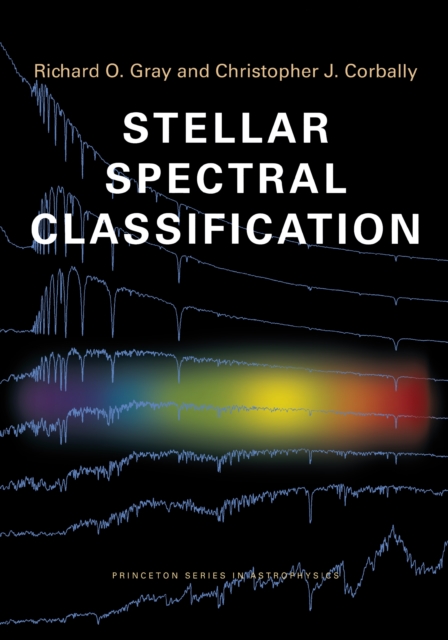
Written by leading experts in the field, Stellar Spectral Classification is the only book to comprehensively discuss both the foundations and most up-to-date techniques of MK and other spectral classification systems.
The incentive for putting together Volume 4 of this series was to review the wealth of new information that has become available in prokaryotic organisms in protein export and membrane biogenesis.
Why the living world may be the next great frontier of physicsThe frontiers of physics can seem impossibly remotelocated in the invisible quantum realm or the farthest reaches of the cosmos.