Illustrating the fascinating interplay between physics and mathematics, Groups, Representations and Physics, Second Edition provides a solid foundation in the theory of groups, particularly group representations.
A Thorough Update of One of the Most Highly Regarded Textbooks on Quantum MechanicsContinuing to offer an exceptionally clear, up-to-date treatment of the subject, Quantum Mechanics, Sixth Edition explains the concepts of quantum mechanics for undergraduate students in physics and related disciplines and provides the foundation necessary for other
In einer umfassenden Darstellung entwickeln und vertiefen die vier Bände dieses Lehrbuchs das Gebäude der nichtrelativistischen Quantenmechanik, weshalb sie auch bestens als Nachschlagewerk geeignet sind.
In Problems in Quantum Mechanics and Field Theory with Mathematical Modelling, a number of exactly solvable problems in electrodynamics and in quantum-mechanics of particles with different spins are presented.
This textbook serves as a comprehensive introduction to quantum technology for advanced undergraduate and beginning graduate students in physics and engineering.
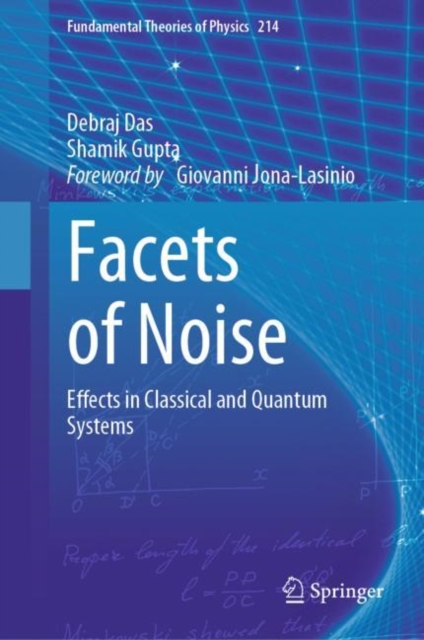
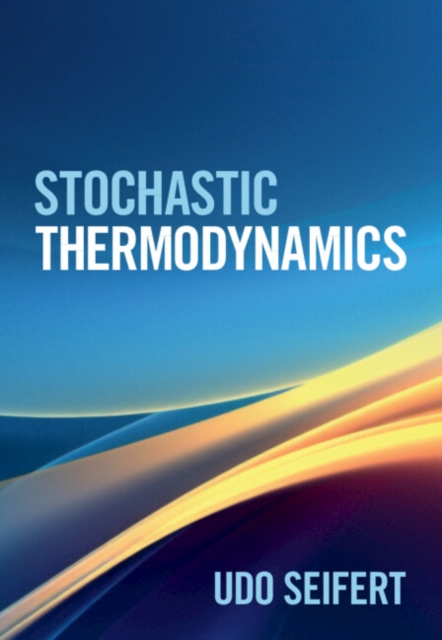
This book provides a captivating journey through the realms of classical and quantum systems as it unravels the profound influence that noise may have on their static and dynamic properties.
This book provides a captivating journey through the realms of classical and quantum systems as it unravels the profound influence that noise may have on their static and dynamic properties.
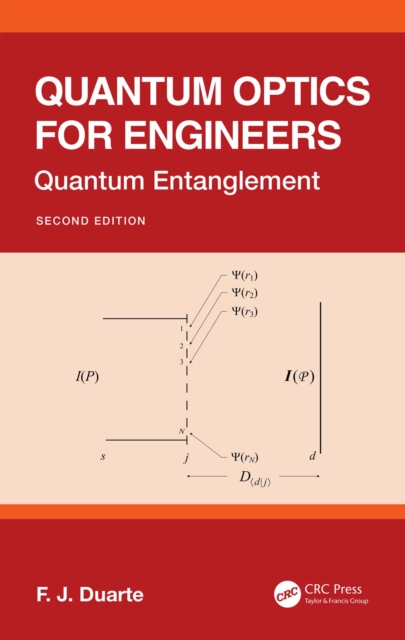
Characterizing entanglement is an important issue in quantum information, as it is considered to be a resource for many applications such as quantum key distribution or quantum metrology.
Characterizing entanglement is an important issue in quantum information, as it is considered to be a resource for many applications such as quantum key distribution or quantum metrology.
Quantennetzwerke ermöglichen ähnlich wie klassische Kommunikationsnetzwerke, wie zum Beispiel das Internet, eine Verbindung zwischen potentiell weit entfernten Nutzern.
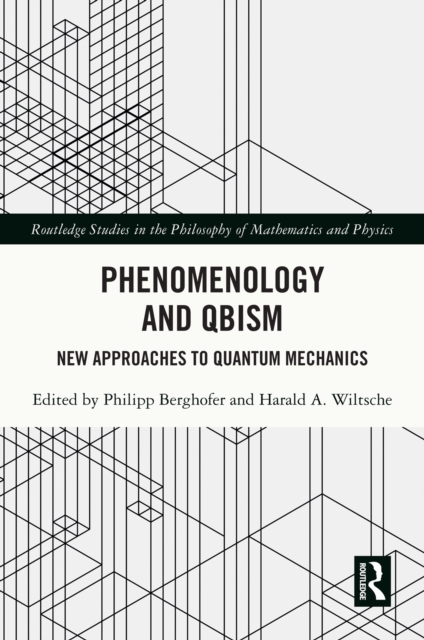
This volume brings together philosophers and physicists to explore the parallels between Quantum Bayesianism, or QBism, and the phenomenological tradition.
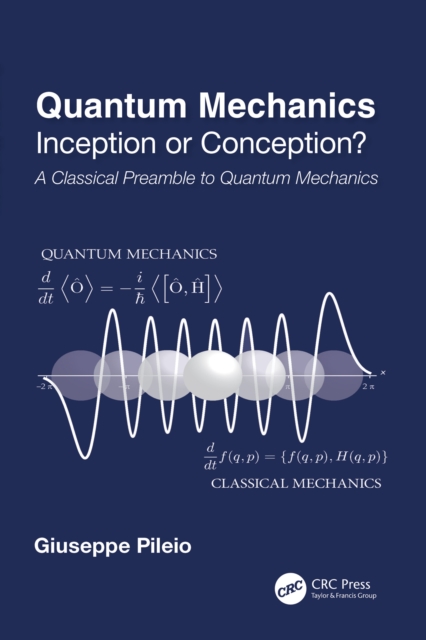
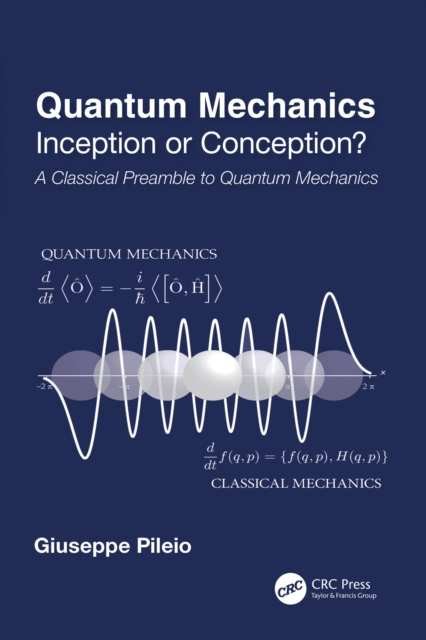
Ausgehend von der Hamiltonschen Mechanik wird die Quantenmechanik im historischen Ablauf vom Bohrschen Atommodell über die Wellenmechanik von Schrödinger und die axiomatische Darstellung mit Operatoren im Hilbertraum bis zur relativistischen Quantenmechanik nach Dirac behandelt.
This textbook offers an introduction to statistical mechanics, special relativity, and quantum physics, developed from lecture notes for the "e;Quantum Physics"e; course at the University of Padua.
This book highlights the numerous important contributions that Einstein made to physics-aside from his relativity theories-and places each of his achievements in the corresponding context, referring en route to the original sources.
This book highlights the numerous important contributions that Einstein made to physics-aside from his relativity theories-and places each of his achievements in the corresponding context, referring en route to the original sources.
'Jung's Philosophy' explores some of the controversial philosophical ideas that are both explicit and implicit within Jung's psychology, comparing the philosophical assumptions between this and other psychotherapeutic traditions.
'Jung's Philosophy' explores some of the controversial philosophical ideas that are both explicit and implicit within Jung's psychology, comparing the philosophical assumptions between this and other psychotherapeutic traditions.