Contemplating the textual gardens, poetic garlands, and epigrammatic groves which dot the landscape of early modern English print, Leah Knight exposes and analyzes the close configuration of plants and writing in the period.
Through a reassessment of phrenology, Phrenology and the Origins of Victorian Scientific Naturalism sheds light on all kinds of works in Victorian Britain and America which have previously been unnoticed or were simply referred to with a vague 'naturalism of the times' explanation.
Through a reassessment of phrenology, Phrenology and the Origins of Victorian Scientific Naturalism sheds light on all kinds of works in Victorian Britain and America which have previously been unnoticed or were simply referred to with a vague 'naturalism of the times' explanation.
The focus of this study is the perception of nature in the language of poetry and the languages of natural philosophy, technology, theology, and global exploration, primarily in seventeenth-century England.
The focus of this study is the perception of nature in the language of poetry and the languages of natural philosophy, technology, theology, and global exploration, primarily in seventeenth-century England.
In 1996 the physicist Alan Sokal planted a hoax article in the journal Social Text, mimicking the social constructionist view of science popular in the humanities, and sparked into life the 'science wars' which had been rumbling throughout the 1990s.
In 1996 the physicist Alan Sokal planted a hoax article in the journal Social Text, mimicking the social constructionist view of science popular in the humanities, and sparked into life the 'science wars' which had been rumbling throughout the 1990s.
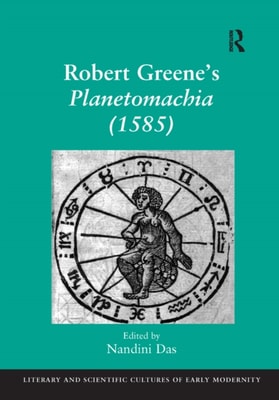
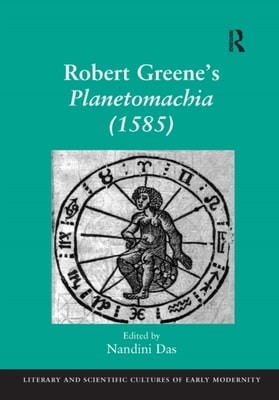
When Planetomachia was published in 1585, Greene himself-always the best advertiser of his own books-promised his readers a perfectly balanced diet of edification and entertainment.
When Planetomachia was published in 1585, Greene himself-always the best advertiser of his own books-promised his readers a perfectly balanced diet of edification and entertainment.
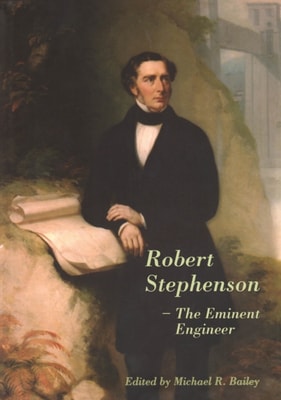
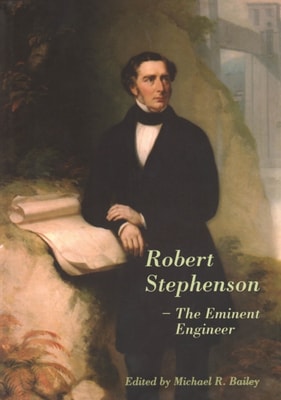
Robert Stephenson, the leading engineer of the mid-nineteenth century whose substantial public works brought about considerable social change is now the subject of this excellent new biography: Robert Stephenson - The Eminent Engineer.
Robert Stephenson, the leading engineer of the mid-nineteenth century whose substantial public works brought about considerable social change is now the subject of this excellent new biography: Robert Stephenson - The Eminent Engineer.
The years between 1700 and 1900 witnessed a fundamental transition in attitudes towards science, as earlier concepts of natural philosophy were replaced with a more modern conception of science.
The years between 1700 and 1900 witnessed a fundamental transition in attitudes towards science, as earlier concepts of natural philosophy were replaced with a more modern conception of science.
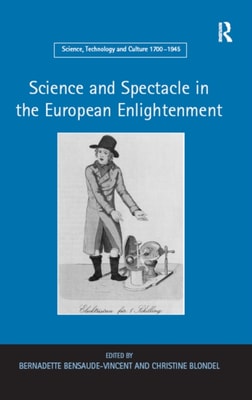
Air-pumps, electrical machines, colliding ivory balls, coloured sparks, mechanical planetariums, magic mirrors, hot-air balloons - these are just a sample of the devices displayed in public demonstrations of science in the eighteenth century.
Air-pumps, electrical machines, colliding ivory balls, coloured sparks, mechanical planetariums, magic mirrors, hot-air balloons - these are just a sample of the devices displayed in public demonstrations of science in the eighteenth century.
This collection of essays assesses the interrelationship between exploration, empire-building and science in the opening up of the Pacific Ocean by Europeans between the early 16th and mid-19th century.
This collection of essays assesses the interrelationship between exploration, empire-building and science in the opening up of the Pacific Ocean by Europeans between the early 16th and mid-19th century.
These essays throw new light on the complex relations between science, literature and rhetoric as avenues to discovery in the seventeenth and eighteenth centuries.
These essays throw new light on the complex relations between science, literature and rhetoric as avenues to discovery in the seventeenth and eighteenth centuries.
James Mussell reads nineteenth-century scientific debates in light of recent theoretical discussions of scientific writing to propose a new methodology for understanding the periodical press in terms of its movements in time and space.
James Mussell reads nineteenth-century scientific debates in light of recent theoretical discussions of scientific writing to propose a new methodology for understanding the periodical press in terms of its movements in time and space.
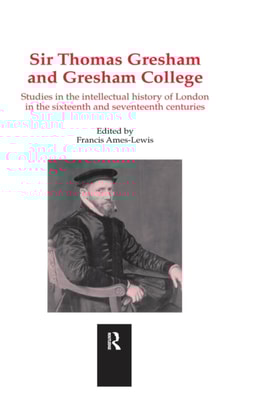
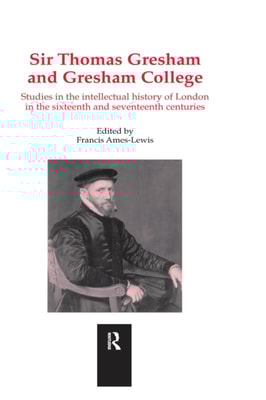
In March 1997 the Society for Renaissance Studies and Gresham College together organised a conference to celebrate the 400th anniversary of Gresham College's foundation.
In March 1997 the Society for Renaissance Studies and Gresham College together organised a conference to celebrate the 400th anniversary of Gresham College's foundation.
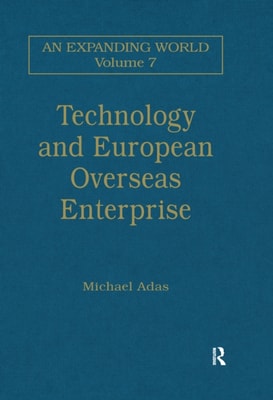
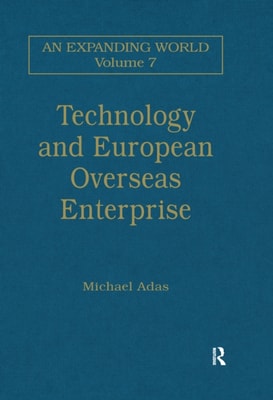
Technological innovation was crucial to the process of European expansion: advances in astronomy and navigation and changes in weaponry all contributed to the emergence of European commercial enclaves in Africa and Asia, and the conquest of the Americas.
Technological innovation was crucial to the process of European expansion: advances in astronomy and navigation and changes in weaponry all contributed to the emergence of European commercial enclaves in Africa and Asia, and the conquest of the Americas.
The British Book Trade and Spanish American Independence is a pioneering study of the export of books from Britain to early-independent Spanish America, which considers all phases of production, distribution, reading, and re-writing of British books in the region, and explores the role that these works played in the formation of national identities in the new countries.
The British Book Trade and Spanish American Independence is a pioneering study of the export of books from Britain to early-independent Spanish America, which considers all phases of production, distribution, reading, and re-writing of British books in the region, and explores the role that these works played in the formation of national identities in the new countries.
This volume covers the second great period of developments in iron construction from 1850, following its establishment as a structural material described in volume 9 of this series.