Representing a new wave of research and analysis on Nazi human experiments and coerced research, the chapters in this volume deliberately break from a top-down history limited to concentration camp experiments under the control of Himmler and the SS.
Representing a new wave of research and analysis on Nazi human experiments and coerced research, the chapters in this volume deliberately break from a top-down history limited to concentration camp experiments under the control of Himmler and the SS.
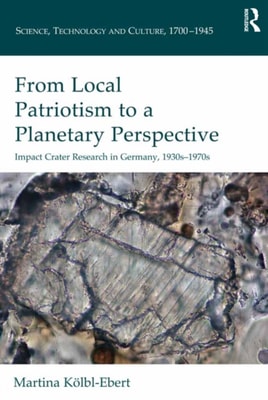
The Nordlinger Ries and Steinheim Basin, two conspicuous geological structures in southern Germany, were traditionally viewed as somewhat enigmatic but nevertheless definitely volcanic edifices until they were finally recognized as impact craters in the 1960s.
The Nordlinger Ries and Steinheim Basin, two conspicuous geological structures in southern Germany, were traditionally viewed as somewhat enigmatic but nevertheless definitely volcanic edifices until they were finally recognized as impact craters in the 1960s.
In the wake of new interest in alchemy as more significant than a bizarre aberration in rational Western European culture, this collection examines both alchemical and medical discourses in the larger context of early modern Europe.
In the wake of new interest in alchemy as more significant than a bizarre aberration in rational Western European culture, this collection examines both alchemical and medical discourses in the larger context of early modern Europe.
Focusing on aspects of the functioning of technology, and by looking at instruments and at instrumental performance, this book addresses the epistemological questions arising from examining the technological bases to geographical exploration and knowledge claims.
Focusing on aspects of the functioning of technology, and by looking at instruments and at instrumental performance, this book addresses the epistemological questions arising from examining the technological bases to geographical exploration and knowledge claims.
Using empirical research to explore medieval writers' imaginings of time, this study presents a new morphology by which to study narratives of time in fifteenth-century literary culture, focusing on poems of John Lydgate and Thomas Hoccleve.
Using empirical research to explore medieval writers' imaginings of time, this study presents a new morphology by which to study narratives of time in fifteenth-century literary culture, focusing on poems of John Lydgate and Thomas Hoccleve.
The period in Europe known as the Belle Epoque was a time of vibrant and unsettling modernization in social and political organization, in artistic and literary life, and in the conduct and discoveries of the sciences.
The period in Europe known as the Belle Epoque was a time of vibrant and unsettling modernization in social and political organization, in artistic and literary life, and in the conduct and discoveries of the sciences.
Examining a wide range of representations of physical, metaphorical, and dream landscapes in Charlotte BrontA , George Eliot, and Thomas Hardy, Eithne Henson explores the way in which gender attitudes are expressed, both in descriptions of landscape as the human body and in ideas of nature.
Examining a wide range of representations of physical, metaphorical, and dream landscapes in Charlotte BrontA , George Eliot, and Thomas Hardy, Eithne Henson explores the way in which gender attitudes are expressed, both in descriptions of landscape as the human body and in ideas of nature.
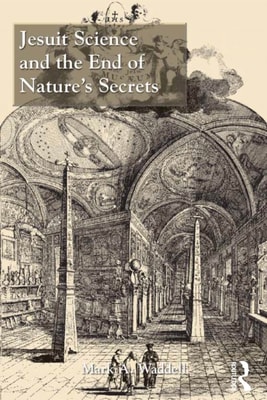
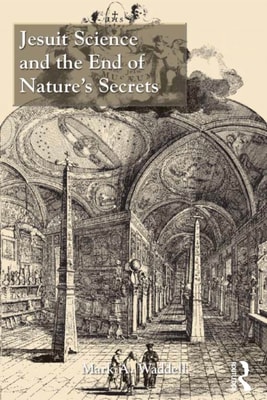
Jesuit Science and the End of Nature's Secrets explores how several prominent Jesuit naturalists - including NiccolA2 Cabeo, Athanasius Kircher, and Gaspar Schott - tackled the problem of occult or insensible causation in the seventeenth century.
Jesuit Science and the End of Nature's Secrets explores how several prominent Jesuit naturalists - including NiccolA2 Cabeo, Athanasius Kircher, and Gaspar Schott - tackled the problem of occult or insensible causation in the seventeenth century.
Offering provocative readings of Tennyson's Idylls of the King, Barrett Browning's Aurora Leigh, Clough's Amours de Voyage, and Browning's The Ring and the Book, Clinton Machann brings to bear the ideas and methods of literary Darwinism to shed light on the central issue of masculinity in the Victorian epic.
Offering provocative readings of Tennyson's Idylls of the King, Barrett Browning's Aurora Leigh, Clough's Amours de Voyage, and Browning's The Ring and the Book, Clinton Machann brings to bear the ideas and methods of literary Darwinism to shed light on the central issue of masculinity in the Victorian epic.
The seventeenth-century scientific revolution and the eighteenth-century chemical revolution are rarely considered together, either in general histories of science or in more specific surveys of early modern science or chemistry.
The seventeenth-century scientific revolution and the eighteenth-century chemical revolution are rarely considered together, either in general histories of science or in more specific surveys of early modern science or chemistry.
Operating at the intersection where new technology meets literature, this collection discovers the relationship among image, sound, and touch in the long nineteenth century.
Operating at the intersection where new technology meets literature, this collection discovers the relationship among image, sound, and touch in the long nineteenth century.
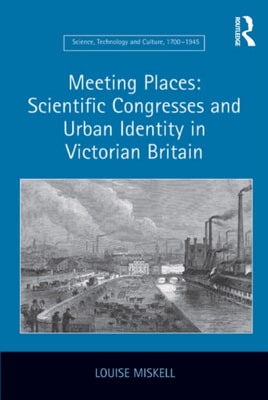
The promotion of knowledge was a major preoccupation of the Victorian era and, beginning in 1831 with the establishment of the British Association for the Advancement of Science, a number of national bodies were founded which used annual, week-long meetings held each year in a different town or city as their main tool of knowledge dissemination.
The promotion of knowledge was a major preoccupation of the Victorian era and, beginning in 1831 with the establishment of the British Association for the Advancement of Science, a number of national bodies were founded which used annual, week-long meetings held each year in a different town or city as their main tool of knowledge dissemination.
Spanning the period from Elizabeth I's reign to Charles II's restoration, this study argues the garden is a primary site evincing a progressive narrative of change, a narrative that looks to the Edenic as obtainable ideal in court politics, economic prosperity, and national identity in early modern England.
Spanning the period from Elizabeth I's reign to Charles II's restoration, this study argues the garden is a primary site evincing a progressive narrative of change, a narrative that looks to the Edenic as obtainable ideal in court politics, economic prosperity, and national identity in early modern England.
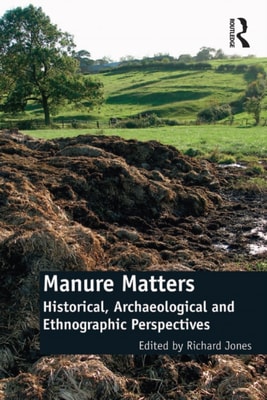
In pre-industrial societies, in which the majority of the population lived directly off the land, few issues were more important than the maintenance of soil fertility.
In pre-industrial societies, in which the majority of the population lived directly off the land, few issues were more important than the maintenance of soil fertility.