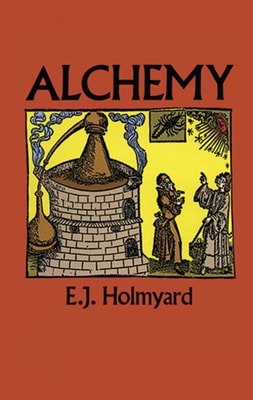
Alchemy is thought to have originated over 2000 years ago in Hellenic Egypt, the result of three converging streams: Greek philosophy, Egyptian technology and the mysticism of Middle Eastern religions.
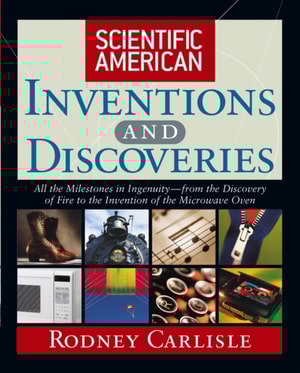
A unique A-to-Z reference of brilliance in innovation and inventionCombining engagingly written, well-researched history with the respected imprimatur of Scientific American magazine, this authoritative, accessible reference provides a wide-ranging overview of the inventions, technological advances, and discoveries that have transformed human society throughout our history.
Split into two volumes, volume 2 is a cultural history of technology that provides new insights into the international history of nuclear energy by examining the perspectives of six nuclear power plants' host communities in Britain and Germany from the 1950s to the late 1980s.
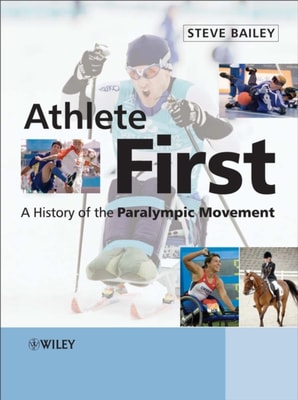
Today the Paralympic Movement is recognised as a global sporting phenomenon attracting thousands of athletes from an ever-increasing number of countries.
The history and philosophy of scientific ideas and the role poiesis and imagination play in our understanding of science and progress are widely explored in this book.
Guides readers through the development of geometry and basic proof writing using a historical approach to the topic In an effort to fully appreciate the logic and structure of geometric proofs, Revolutions of Geometry places proofs into the context of geometry's history, helping readers to understand that proof writing is crucial to the job of a mathematician.
In A History of Modern Psychology in Context, the authors resist the traditional storylines of great achievements by eminent people, or schools of thought that rise and fall in the wake of scientific progress.
In A History of Modern Psychology in Context, the authors resist the traditional storylines of great achievements by eminent people, or schools of thought that rise and fall in the wake of scientific progress.
Praise for From Alchemy to Chemistry in Picture and Story "e;The timeline from alchemy to chemistry contains some of the most mystifying ideas and images that humans have ever devised.
One of the most exciting developments in biological sciences has been their merging with chemistry and physics resulting in the new disciplines of biochemistry, biophysics and molecular biology.
Electricity in the 17th and 18th Centuries: A Study of Early Modern Physics examines the development of electricity during the Scientific Revolution, offering a comprehensive analysis of its evolving understanding.
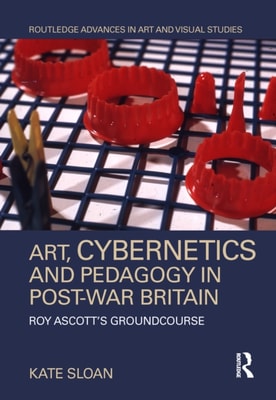
This is the first full-length study about the British artist Roy Ascott, one of the first cybernetic artists, with a career spanning seven decades to date.
This is the first full-length study about the British artist Roy Ascott, one of the first cybernetic artists, with a career spanning seven decades to date.
This collection of essays challenges the prevailing assumption that eighteenth-century German philosophy prior to Kant was largely defined by post-Leibnizian rationalism and, accordingly, a low esteem of the cognitive function of the senses.
This collection of essays challenges the prevailing assumption that eighteenth-century German philosophy prior to Kant was largely defined by post-Leibnizian rationalism and, accordingly, a low esteem of the cognitive function of the senses.
Best known as the Saducismus triumphatus (1681), Joseph Glanvill's book on witchcraft is among the most frequently published from the seventeenth century, and its arguments for the reality of diabolic witchcraft elicited passionate responses from critics and supporters alike.
Best known as the Saducismus triumphatus (1681), Joseph Glanvill's book on witchcraft is among the most frequently published from the seventeenth century, and its arguments for the reality of diabolic witchcraft elicited passionate responses from critics and supporters alike.
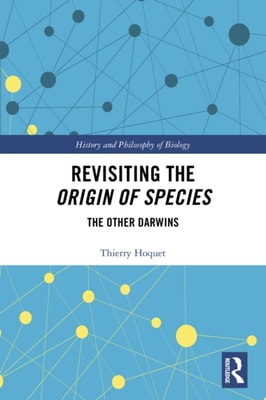
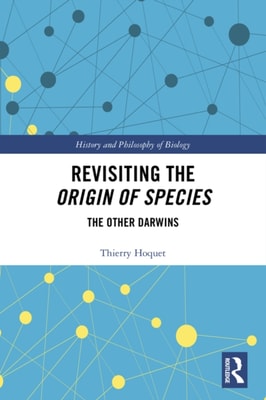
Contemporary interest in Darwin rises from a general ideal of what Darwin's books ought to contain: a theory of transformation of species by natural selection.
Written over several decades and collected together for the first time, these richly detailed contextual studies by a leading historian of science examine the diverse ways in which cultural values and political and professional considerations impinged upon the construction, acceptance and applications of nineteenth century evolutionary theory.
Written over several decades and collected together for the first time, these richly detailed contextual studies by a leading historian of science examine the diverse ways in which cultural values and political and professional considerations impinged upon the construction, acceptance and applications of nineteenth century evolutionary theory.
Contemporary interest in Darwin rises from a general ideal of what Darwin's books ought to contain: a theory of transformation of species by natural selection.
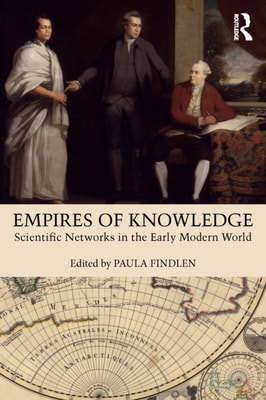
Empires of Knowledge charts the emergence of different kinds of scientific networks - local and long-distance, informal and institutional, religious and secular - as one of the important phenomena of the early modern world.
Empires of Knowledge charts the emergence of different kinds of scientific networks - local and long-distance, informal and institutional, religious and secular - as one of the important phenomena of the early modern world.
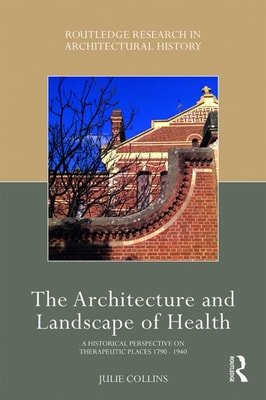
The Architecture and Landscape of Health explores buildings and landscapes that were designed to treat or prevent disease in the era before pharmaceuticals and biomedicine emerged as first line treatments.
The Architecture and Landscape of Health explores buildings and landscapes that were designed to treat or prevent disease in the era before pharmaceuticals and biomedicine emerged as first line treatments.
Published in 1998, this is a fundamental re-assessment of the world-view of the alchemists, natural philosophers and intelligencers of the mid 17th century.
Published in 1998, this is a fundamental re-assessment of the world-view of the alchemists, natural philosophers and intelligencers of the mid 17th century.