A delightful mixture of science fiction, utopian vision, and just plain crazy ideas,Your Flying Car Awaitsis a hilarious and insightful compendium of the most outrageous and completely ridiculous predictions of the 20th Century.
The untold story of how hereditary data in mental hospitals gave rise to the science of human heredityIn the early 1800s, a century before there was any concept of the gene, physicians in insane asylums began to record causes of madness in their admission books.
An insider account of how researchers unraveled the mystery of the thawing ArcticIn the 1990s, researchers in the Arctic noticed that floating summer sea ice had begun receding.
How genes are not the only basis of heredity-and what this means for evolution, human life, and diseaseFor much of the twentieth century it was assumed that genes alone mediate the transmission of biological information across generations and provide the raw material for natural selection.
How the latest cutting-edge science offers a fuller picture of life in Rome and antiquityThis groundbreaking book provides the first comprehensive look at how the latest advances in the sciences are transforming our understanding of ancient Roman history.
A treasure trove of illuminating and entertaining quotations from the legendary naturalistHere is Charles Darwin in his own words-the naturalist, traveler, scientific thinker, and controversial author of On the Origin of Species, the book that shook the Victorian world.
This book explores the role of causal constraints in science, shifting our attention from causal relations between individual events--the focus of most philosophical treatments of causation-to a broad family of concepts and principles generating constraints on possible change.
The remarkable story of how our solar system came to beThe birth and evolution of our solar system is a tantalizing mystery that may one day provide answers to the question of human origins.
Nobel Prize-winning physicist Roger Penrose questions some of the most fashionable ideas in physics today, including string theoryWhat can fashionable ideas, blind faith, or pure fantasy possibly have to do with the scientific quest to understand the universe?
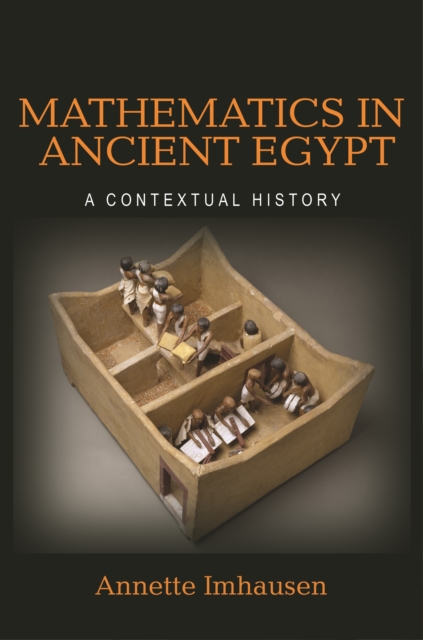
A survey of ancient Egyptian mathematics across three thousand yearsMathematics in Ancient Egypt traces the development of Egyptian mathematics, from the end of the fourth millennium BC-and the earliest hints of writing and number notation-to the end of the pharaonic period in Greco-Roman times.
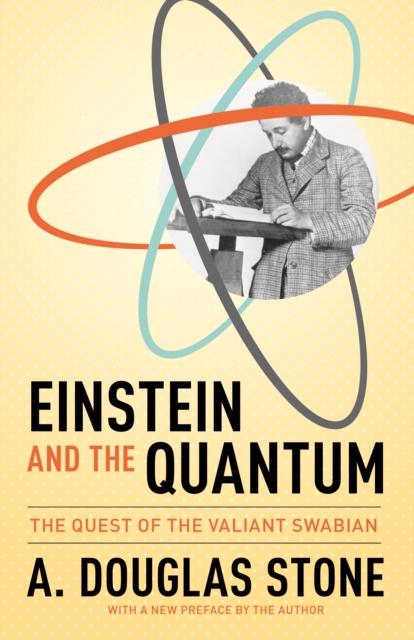
The untold story of Albert Einstein's role as the father of quantum theoryEinstein and the Quantum reveals for the first time the full significance of Albert Einstein's contributions to quantum theory.
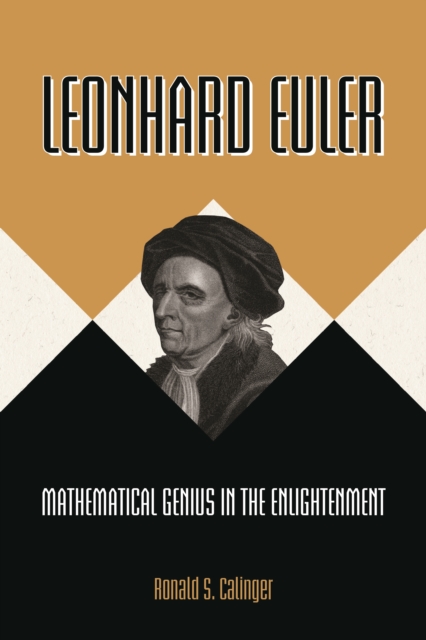
An acclaimed biography of the Enlightenment's greatest mathematicianThis is the first full-scale biography of Leonhard Euler (1707-83), one of the greatest mathematicians and theoretical physicists of all time.
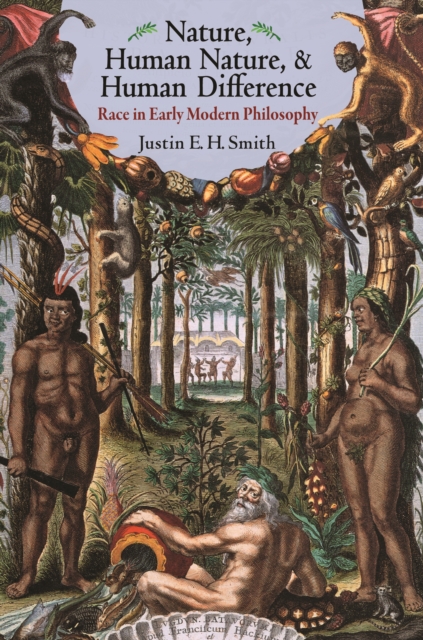
People have always been xenophobic, but an explicit philosophical and scientific view of human racial difference only began to emerge during the modern period.
From the 1770s through the 1820s the French scientific community predominated in the world to a degree that no other scientific establishment did in any period prior to the Second World War.
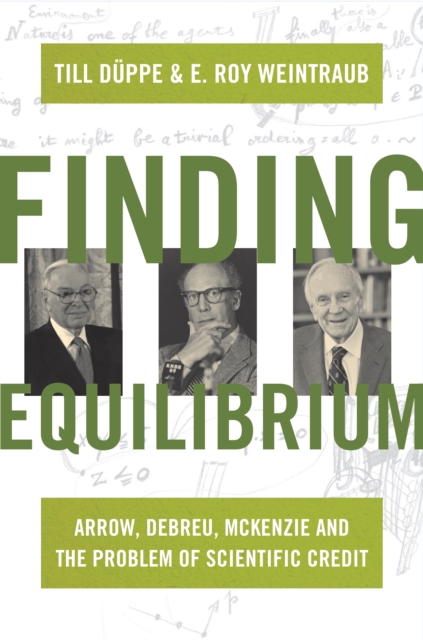
The remarkable story and personalities behind one of the most important theories in modern economicsFinding Equilibrium explores the post-World War II transformation of economics by constructing a history of the proof of its central dogma-that a competitive market economy may possess a set of equilibrium prices.
How the new brain sciences are transforming our understanding of what it means to be humanThe brain sciences are influencing our understanding of human behavior as never before, from neuropsychiatry and neuroeconomics to neurotheology and neuroaesthetics.
Ten Thousand Birds provides a thoroughly engaging and authoritative history of modern ornithology, tracing how the study of birds has been shaped by a succession of visionary and often-controversial personalities, and by the unique social and scientific contexts in which these extraordinary individuals worked.
How two charismatic, exceptionally talented physicists came to terms with the nuclear weapons they helped to createIn 1945, the United States dropped the bomb, and physicists were forced to contemplate disquieting questions about their roles and responsibilities.
How science in medieval Europe originated in Buddhist AsiaWarriors of the Cloisters tells how key cultural innovations from Central Asia revolutionized medieval Europe and gave rise to the culture of science in the West.
The story of the visionary scientists who invented the futureIn 1969, Princeton physicist Gerard O'Neill began looking outward to space colonies as the new frontier for humanity's expansion.
The impact on climate from 200 years of industrial development is an everyday fact of life, but did humankind's active involvement in climate change really begin with the industrial revolution, as commonly believed?
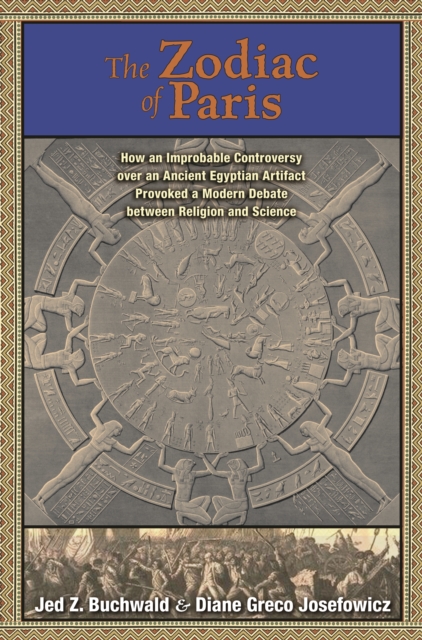
The clash of faith and science in Napoleonic FranceThe Dendera zodiac-an ancient bas-relief temple ceiling adorned with mysterious symbols of the stars and planets-was first discovered by the French during Napoleon's campaign in Egypt, and quickly provoked a controversy between scientists and theologians.
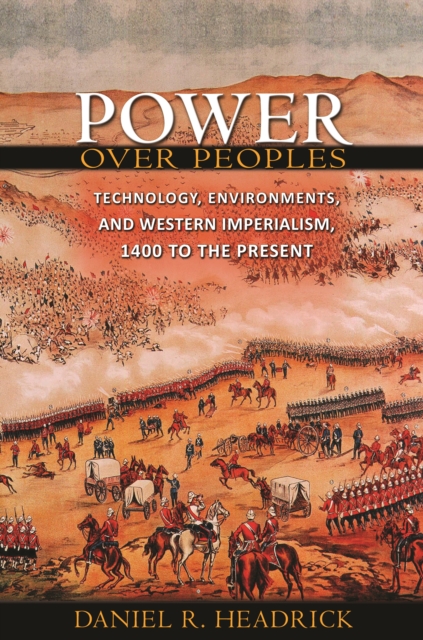
A major history of technology and Western conquestFor six hundred years, the nations of Europe and North America have periodically attempted to coerce, invade, or conquer other societies.
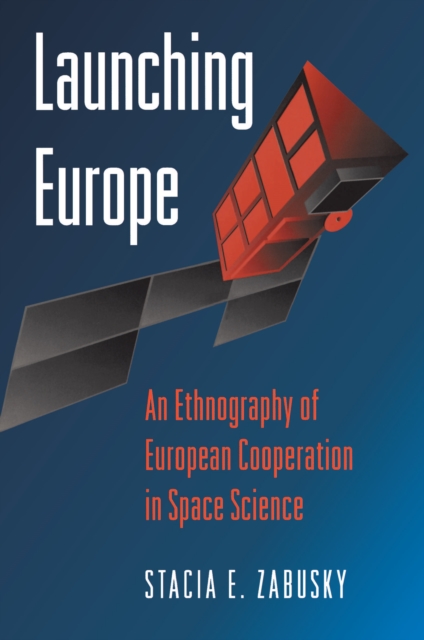
In this first ethnographic study of the European Space Agency, Stacia Zabusky explores the complex processes involved in cooperation on space science missions in the contemporary context of European integration.
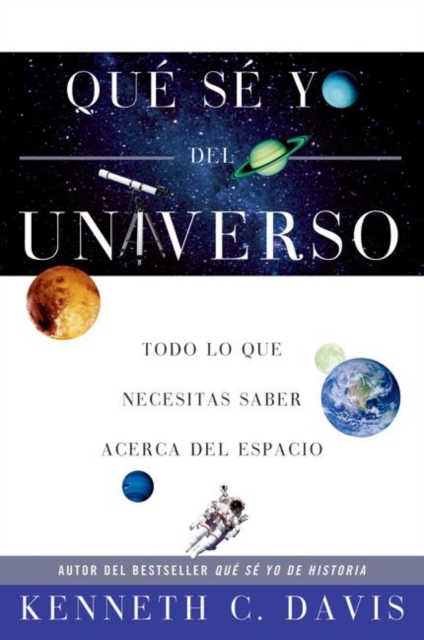
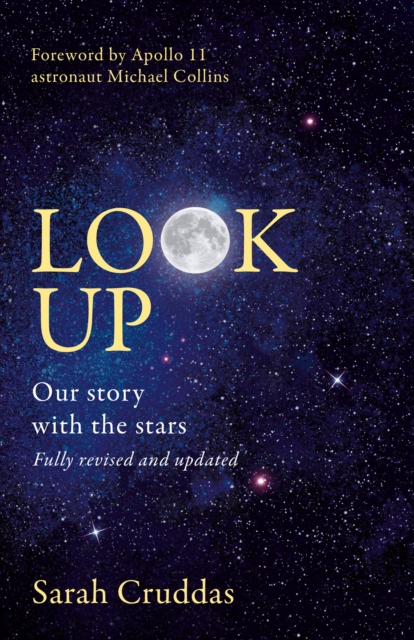
Desde las antiguas civilizaciones que hicieron mapas de los cielos a Star Trek, X-Files y Apolo 13, el espacio sideral ha intrigado a la gente por mucho tiempo.
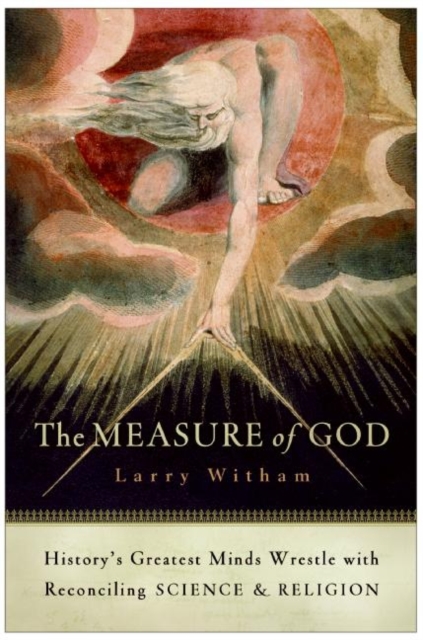
The Measure of God is a lively historical narrative offering the reader a sense for what has taken place in the God and science debate over the past century.
Shortlisted for the Andre Simon Food & Drink Book AwardAn intoxicating interconnected history of booze and medicine, from one of the world's foremost cocktail writers.
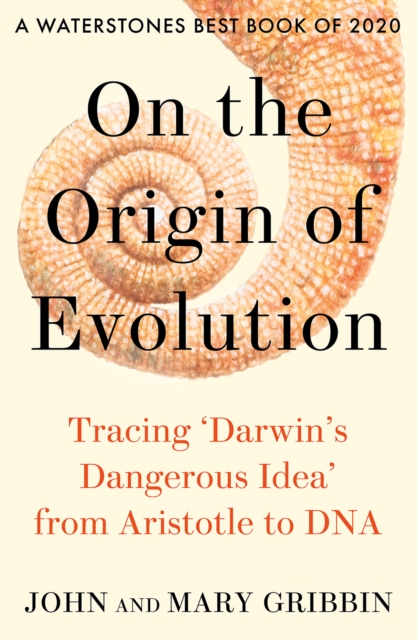
A Waterstones Best Book of 2020The theory of evolution by natural selection did not spring fully formed and unprecedented from the brain of Charles Darwin.
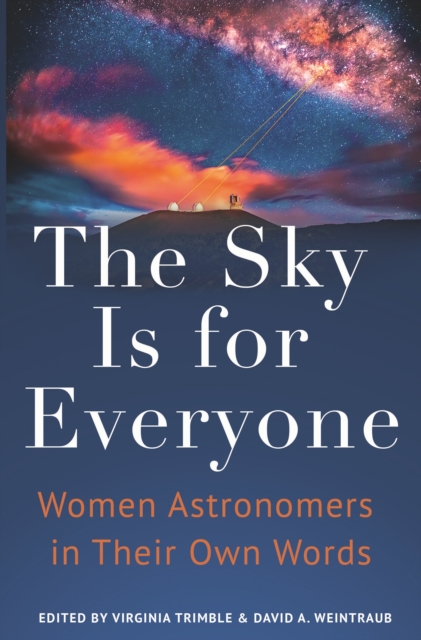
An inspiring anthology of writings by trailblazing women astronomers from around the globeThe Sky Is for Everyone is an internationally diverse collection of autobiographical essays by women who broke down barriers and changed the face of modern astronomy.
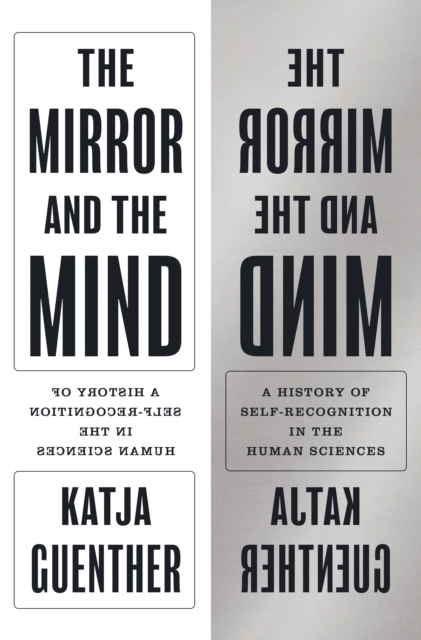
How the classic mirror test served as a portal for scientists to explore questions of self-awarenessSince the late eighteenth century, scientists have placed subjects-humans, infants, animals, and robots-in front of mirrors in order to look for signs of self-recognition.
The Grand Contraption tells the story of humanity's attempts through 4,000 years of written history to make sense of the world in its cosmic totality, to understand its physical nature, and to know its real and imagined inhabitants.
The little-known history of how the Sahara was transformed from a green and fertile land into the largest hot desert in the worldThe Sahara is the largest hot desert in the world, equal in size to China or the United States.
The origins and development of the modern American emergency stateFrom pandemic disease, to the disasters associated with global warming, to cyberattacks, today we face an increasing array of catastrophic threats.
An authoritative interdisciplinary account of the historic discovery of gravitational wavesIn 1915, Albert Einstein predicted the existence of gravitational waves-ripples in the fabric of spacetime caused by the movement of large masses-as part of the theory of general relativity.