'The book is a house of wonders' The New York Times'Steven Johnson is the Darwin of technology' Walter Issacson, author of Steve JobsWhat connects Paleolithic bone flutes to the invention of computer software?
Slated as the next big thing in tech , augmented reality promises to take the screen out of our hands and wrap it around the world via smart spectacles .
In this expansive historical synthesis, Richard Butsch integrates social, economic, and political history to offer a comprehensive and cohesive examination of screen media and screen culture globally from film and television to computers and smart phones as they have evolved through the twentieth and twenty-first centuries.
Contrary to optimistic visions of a free internet for all, the problem of the digital divide the disparity between those with access to internet technology and those without has persisted for close to twenty-five years.
From their shadowy origins in Bitcoin to their use by multinational corporations, cryptocurrencies and blockchains are remaking the rules of digital media and society.
Our daily lives, our culture and our politics are now shaped by the digital condition as large numbers of people involve themselves in contentious negotiations of meaning in ever more dimensions of life, from the trivial to the profound.
Boasting trillion-dollar companies, the digital economy profits from our emotions, our relationships with each other, and the ways we interact with the world.
This breakthrough scientific masterwork - and INTERNATIONAL BESTSELLER - reveals the underlying forces that have shaped human history and will secure our future.
*A WATERSTONES 'BEST POLITICAL BOOK OF THE YEAR'**A TIMES 'BEST PHILOSOPHY AND IDEAS' BOOK OF 2021**A GUARDIAN 'BEST POLITICS BOOKS OF THE YEAR'*LONGLISTED FOR THE 2022 BUSINESS BOOK AWARD'A brilliant manifesto explaining why women are still so underestimated and overlooked in today's world, but how we can also be hopeful for change' - Philippa Perry'An impassioned, meticulously argued and optimistic call to arms for anyone who cares about creating a fairer society' - Observer__________Imagine living in a world in which you were routinely patronised by women.
**A NEW YORK TIMES BOOK OF THE YEAR 2022 and FINANCIAL TIMES BEST BOOK OF 2023***Shortlisted for the Royal Society Trivedi Science Book Prize 2023*From the author of Spillover, the book that predicted the pandemic, Breathless is the story of Covid-19 and its fierce journey through the human population, as seen by the scientists tasked with fighting it.
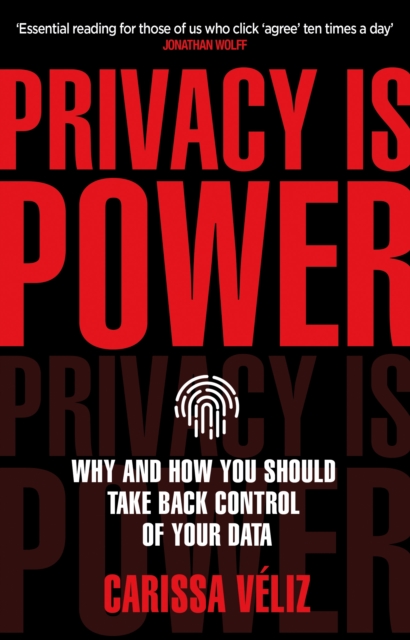
An Economist BEST BOOK OF THE YEARAs the data economy grows in power, Carissa V liz exposes how our privacy is eroded by big tech and governments, why that matters and what we can do about it.
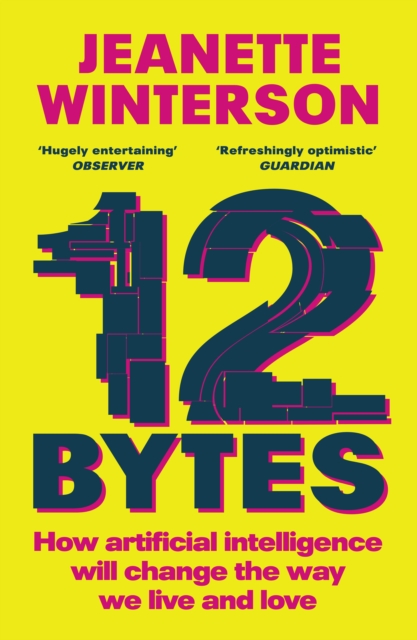
'Joins the dots in a neglected narrative of female scientists, visionaries and code-breakers' ObserverHow is artificial intelligence changing the way we live and love?
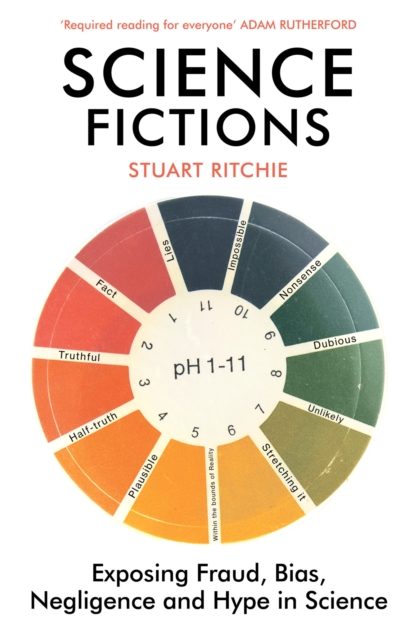
'Required reading for everyone' Adam RutherfordShortlisted for the Royal Society Science Book Prize 2021 Medicine, education, psychology, economics - wherever it really matters, we look to science for guidance.
Why We Drive is a rebellious and daring celebration of the human spirit and the competence of ordinary people by the bestselling author of The Case for Working with Your Hands.
A timely and powerful must-read on how the big tech companies are damaging our culture and what we can do to fight their influenceFour titanic corporations are now the most powerful gatekeepers the world has ever known.
A dazzlingly original analysis of how emotions shape the times we are living in by one of Britain s most exciting thinkers A masterpiece New York Times Insightful and well-written Yuval Noah Harari, author of SapiensHow have feelings come to shape the world around us?
In Bit Rot, Douglas Coupland explores the different ways in which twentieth-century notions of the future are being shredded, and creates a gem of the digital age.