Uses new research about the brain to explore how we can transcend our current physical and cultural limitations *; Reveals that transcendence of current modes of existence requires the dynamic interaction of our fourth and fifth brains (intellect and intelligence) *; Explores the idea that Jesus, Lao-tzu, and other great beings in history are models of nature's possibility and our ability to achieve transcendence *; 17,000 sold in hardcover since April 2002 Why do we seem stuck in a culture of violence and injustice?
Presents a revolutionary new theory that bridges the divide between science and spirituality*; Discloses the ramifications of non-localized consciousness and how the physical world and spiritual experience are two aspects of the same reality*; Includes contributions from Jane Goodall, Ed Mitchell, Stanislav Grof, Ralph Abraham, and Christian de Quincy, among othersWhat scientists are now finding at the outermost frontiers of every field is overturning all the basic premises concerning the nature of matter and reality.
A leading workplace expert provides an inspirational, practical, and forward-looking career playbook for recent grads, career changers, and transitioning professionals looking to thrive in todays rapidly evolving workplace.
Reveals the cutting edge of New Science and shows how established science disallows inquiry that challenges the status quo--even when it produces verifiable results *; Contains 43 essays by 19 researchers denoting cutting-edge, heretical, or suppressed scientific research, including Immanuel Velikovsky, Nikola Tesla, Rupert Sheldrake, and Masaru Emoto *; Edited by Atlantis Rising publisher, J.
An investigation of the connection between ancient world catastrophe myths and modern scientific evidence of a galactic destruction cycle *; Provides scientific evidence of past Earth-wide catastrophes and their galactic superwave origins *; Decodes the ancient message encrypted in the zodiac constellations and symbolism of the Sphinx *; Describes how explosions of our Galaxy's core pose a threat to humanity in the future Many ancient myths from around the world tell of catastrophic destruction by fire and flood.
Debunks cherished theories of mainstream consensus and reveals the deeper mysteries of the science of the unseen *; Reveals a new ';Theory of Everything' to replace the standard model and complete our knowledge of Earth Science, anthropology, psychology, and spirituality *; Explains the failings of the Big Bang, evolution, ice age theory, and global warming *; Shows how the Freudian and Jungian theories of the unconscious have grossly misrepresented the spirit of man and the psyche of humanity What if science and society's most darling theories, taught as fact, were 100% wrong?
This book describes the theory of radiation thermometry, both at a primary level and for a variety of applications, such as in the materials processing industries and remote sensing.
A disturbing portrait of a modern American family'Imagine Richard Yates becoming fascinated by Donald Antrim before writing Revolutionary Road and you'll have some idea of Love Orange.
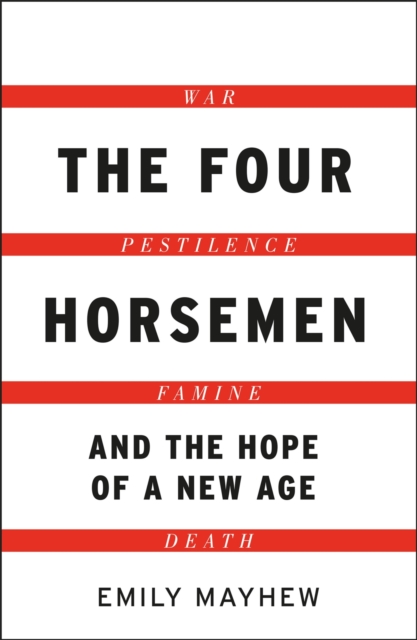
The Four Horsemen - War, Pestilence, Famine and Death - first appeared in the Book of Revelations a thousand years ago, but they continue to track us in our own time.
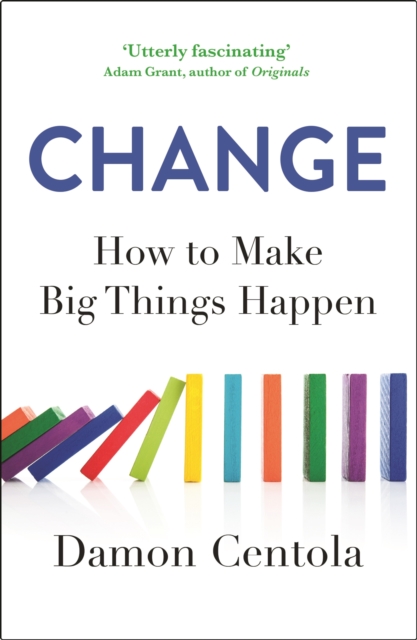
'A remarkable and important guide to effecting change in our individual lives, businesses, societies - and beyond' JONAH BERGER, bestselling author of ContagiousHow did movements like the Arab Spring and Black Lives Matter take off when they did?
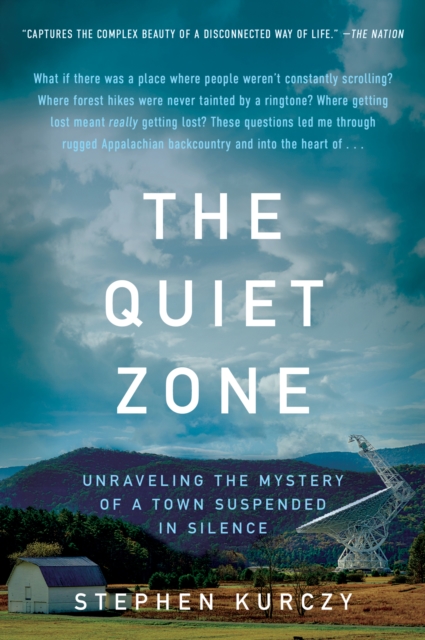
In this riveting account of an area of Appalachia known as the Quiet Zone where cell phones and WiFi are banned, journalist Stephen Kurczy explores the pervasive role of technology in our lives and the innate human need for quiet.
'Devastating and urgent, this book could not be more timely' Caroline Criado Perez, award-winning and bestselling author of Invisible WomenDanielle Citron takes the conversation about technology and privacy out of the boardrooms and op-eds to reach readers where we are - in our bathrooms and bedrooms; with our families and our lovers; in all the parts of our lives we assume are untouchable - and shows us that privacy, as we think we know it, is largely already gone.
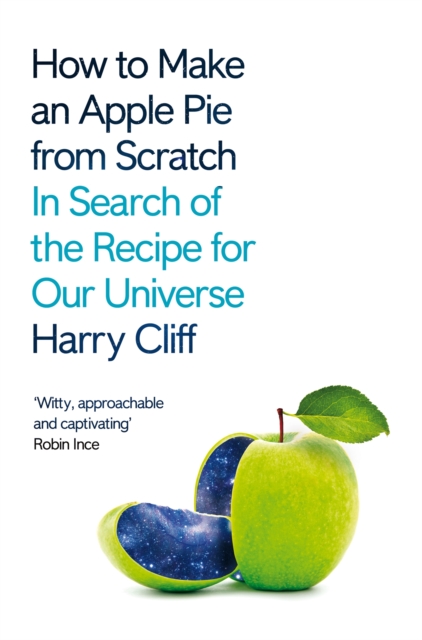
'If you wish to make an apple pie from scratch, you must first invent the universe' - Carl SaganInspired by Sagan's famous line, How To Make An Apple Pie From Scratch sets out on a journey to unearth everything we know about our universe: how it started, how we found out, and what we still have left to discover .
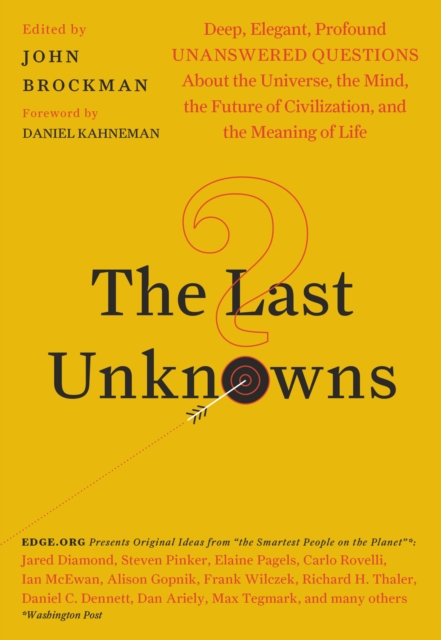
Discover theuniverse's lastunknownshere are theunanswered questionsthat obsess "e;the world's finest minds"e; (The Guardian)Featuring a foreword by DANIEL KAHNEMAN, Nobel Prize-winning author of Thinking, Fast and SlowThis is a little book of profound questions (only questions!
Have you ever looked at your email, then texts, then Facebook, then Twitter, then email, then Instagram, then Candy Crush, then texts, then Snapchat, then texts again, and now youve wasted the time you had set aside for more important things?
Brilliant but overlooked ideas you must know, as revealed by todays most innovative mindsWhat scientific term or concept ought to be more widely known?
A Wired senior editor and virtual reality expert presents a captivating, candid glimpse into the future "e;realities"e; of this emerging technology: how we will use it to form previously impossible relationships, explore new frontiers of intimacy, and how it will forever change human connection.
A best seller since 1966, Purification of Laboratory Chemicals keeps engineers, scientists, chemists, biochemists and students up to date with the purification of the chemical reagents with which they work, the processes for their purification, and guides readers on critical safety and hazards for the safe handling of chemicals and processes.
BY THE AUTHOR OF THE BESTSELLING, PRIZE-WINNING STUFF MATTERS Sometimes explosive, often delightful, occasionally poisonous, but always fascinating: the secret lives of liquids, from one of our best-known scientists________________A series of glasses of transparent liquids is in front of you: but which will quench your thirst and which will kill you?
Drawing from the horizons of science, today's leading thinkers reveal the hidden threats nobody is talking aboutand expose the false fears everyone else is distracted by.
John Brockman brings together the worlds best-known physicists and science writersincluding Brian Greene, Walter Isaacson, Nobel Prize-winner Frank Wilczek, Benoit Mandelbrot, and Martin Reesto explain the universe in all wondrous splendor.
_________________________*The* puzzle book of 2018, as featured in the Times, Daily Telegraph, BBC Radio 4, and BBC Breakfast, and a Guardian Book of the Year pick.
The author of the international bestseller The Sixth Extinction returns to humanity's transformative impact on the environment, now asking: after doing so much damage, can we change nature, this time to save it?
*JAMIE S NEW BOOK ON HOW TO TALK TO AI - AND HOW NOT TO - IS OUT NOW***Winner of the 2019 Transmission Prize****Longlisted for the 2019 Orwell Prize for Political Writing** A superb book by one of the world s leading experts on the digital revolution David Patrikarakos, Literary Review This book could not have come at a better moment.