Cell death is one of the fundamental processes by which normal development is modulated, and the importance of both necrosis and apoptosis in a number of pathologies has generated intense interest from researchers in many fields.
Under the editorial leadership of Dr Gerald Litwack, Vitamins and Hormones continues to publish up-to-date synthetic reviews of interest to endocrinologists and biochemists.
Die chronisch thromboembolische pulmonale Hypertonie (CTEPH) ist eine relativ seltene, aber unterdiagnostizierte Erkrankung, die durch wiederholte Einschwemmungen von thrombotischem Material in die pulmonalarteriellen Gefäße charakterisiert ist.
Metabolic syndrome is a set of risk factors that includes: abdominal obesity, a decreased ability to process glucose (insulin resistance), dyslipidemia (unhealthy lipid levels), and hypertension.
This book presents 100 challenging cases encountered in vascular surgery practice that were selected from the author's vascular registry of 7,000 vascular reconstructions (endovascular and open).
In the last several years, the development of reagents that recognize smooth muscle-specific proteins has enabled researchers to identify smooth muscle cells (SMC) in tissue undergoing both differentiation and repair.
The longest running serial published by Academic Press continues its well-respected run with Volume 61, a special volume in which a guest editor has come on board and has assembled some well-known contributors who are international authorities in the field.
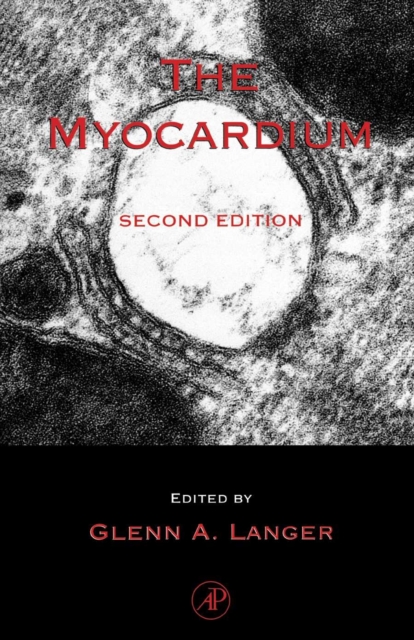
The Myocardium, Second Edition is a comprehensive presentation of cardiac function, including ultrastructure, cellular development and morphogenesis, ion channels, ion transporters, excitation-contraction coupling and calcium compartmentation, mechanics and force production, and energy metabolism.
The second edition of this concise, easy-to-read title is designed for clinical teachers looking to refine their approach to teaching professional attitudes and basic skills to medical students.
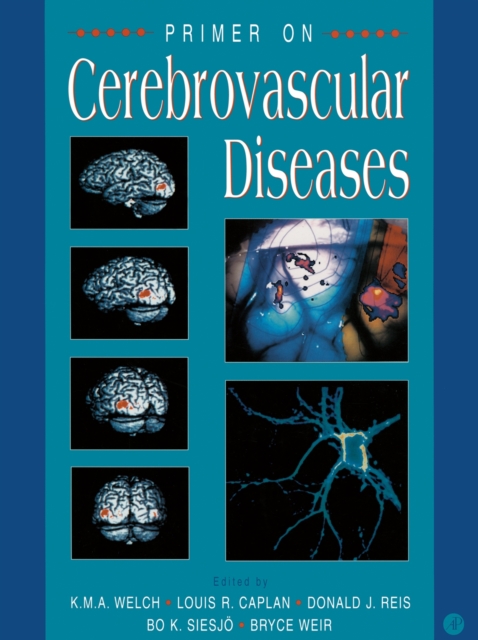
Primer on Cerebrovascular Diseases is a handy reference source for scientists, students, and physicians needing reliable, up-to-date information on basic mechanisms, physiology, pathophysiology, and medical issues related to brain vasculature.
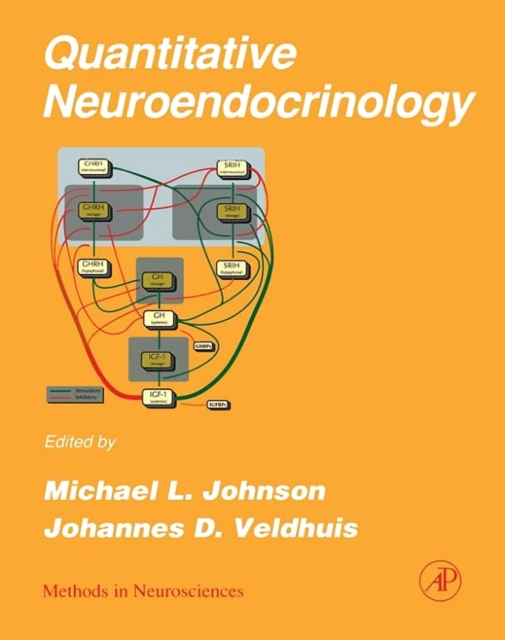
In this volume contemporary methods designed to provide insights into, mathematical structure for, and predictive inferences about neuroendocrine control mechanisms are presented.
Fertilization provides in-depth reviews of individual research topics, while emphasizing key concepts and the significance of findings within other fields.
Volume 2 has focused on aspects of the pituitary gland both anterior (growth hormone and prolactin receptors, and GH action) and posterior (vasopressin) pituitary.
The articles comprising this volume were first presented at the World Congress on Neurohypophysial Hormones held in Bordeaux, France on September 8-12, 2001.
Molecular Endocrinology, Third Edition summarizes the area and provides an in-depth discussion of the molecular aspects of hormone action, including hormone-receptor interactions, second messenger generation, gene induction, and post-transcriptional control.
In this book, part of the European Society of Intensive Care Medicine (ESICM) textbook series, experts in the field of clinical ethics describe basic principles of clinical ethics and ethical reasoning, the fundamental pillars of intensive care medicine as well as the decision-making processes necessary to arrive at appropriate decisions for each individual patient.
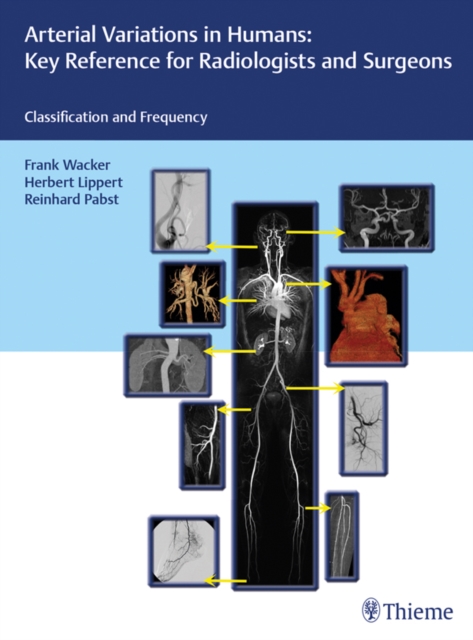
A one-of-a-kind reference and atlas to variations in the human arterial systemBased on the landmark work Arterial Variations in Man: Classification and Frequency by Lippert and Pabst, this atlas presents the full range of arterial variations that occur in the human body.
This book provides a comprehensive overview of essential concepts and evidence that guide the practice of contemporary preventive cardiovascular nursing.
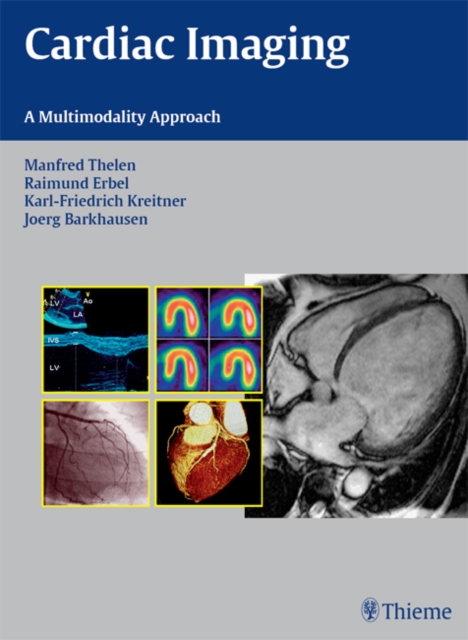
An excellent atlas on modern diagnostic imaging of the heartWritten by an interdisciplinary team of experts, Cardiac Imaging: A Multimodality Approach features an in-depth introduction to all current imaging modalities for the diagnostic assessment of the heart as well as a clinical overview of cardiac diseases and main indications for cardiac imaging.
Embark on a Heart-Healthy Journey Tailored for WomenImagine unlocking the secrets of cardiovascular well-being with a guide designed specifically for the unique heart health needs of women.
Dieses Buch versteht sich als ein umfassender Leitfaden für Sport- und Gesundheitsexpert*innen, Studierende, Wissenschaftler*innen, Trainer*innen, Athlet*innen verschiedener Sportarten und für alle, die ein allgemeines Interesse an gleichzeitigem Ausdauer- und Krafttraining haben.
The aim of this book is to provide one central resource for nurses within the adult spectrum of life-long congenital heart disease care who are seeking expert guidance for their practice, regardless of clinical setting.
The Encyclopedia of Heart Diseases is an accurate and reliable source of in-depth information on the diseases that kill more than 12 million individuals worldwide each year.
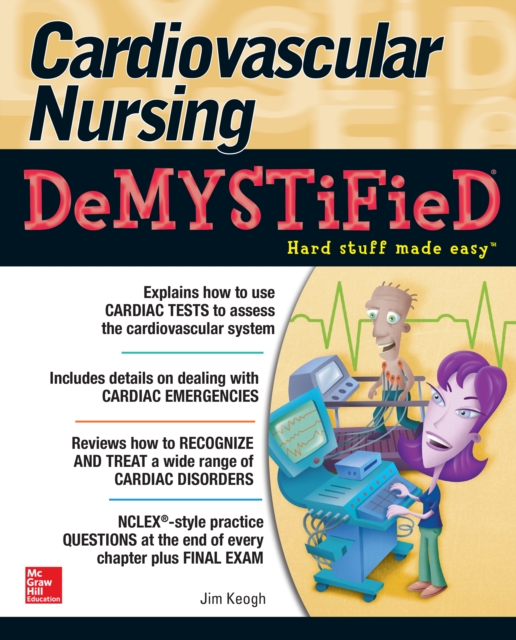
The fun, fast, and easy way to learn the core concepts and skills of cardiovascular nursingWhether you're a student seeking to excel in a course or a professional nurse transitioning into care of cardiovascular patients, this is the book you need to quickly and easily understand the key concepts and advanced protocols in cardiovascular nursing and how to apply them in real world situations.
Publisher's Note: Products purchased from Third Party sellers are not guaranteed by the publisher for quality, authenticity, or access to any online entitlements included with the product.
Corazon: una mirada desde diferentes saberes es una obra colectiva que propone un abordaje integral del organo cardiaco desde la convergencia de las ciencias basicas de la salud, la clinica y la salud publica.