A number of clinical and epidemiological studies have shown that disorders of lipoprotein metabolism constitute one of the most important risk factors for the development of atherosclerosis and coronary heart disease.
Initiated in 1975, the Eberbach/Wiesloch Study is a prospective preventive study modeled after the Cardiovascular Comprehensive Community Central Programme of the WHO, with the aim of lowering the incidence of cardiac infarctions in a population representative of that of the Federal Republic of Germany.
On the occasion of the symposium on Hypertension in Postmenopausal Women (Monte Carlo, January 19-22, 1994), international scientists and clinicians discussed the various aspects of high blood pressure in older women.
This Atlas of transesophageal echocardiography represents four years' clinical expe- rience with peri operative color Doppler echocardiography performed at the Depart- ment of Heart Surgery of the University of Heidelberg.
Durch die technische Weiterentwicklung von der einfachen Dopplersonographie bis hin zur farbkodierten Duplexsonographie ist diese Methode in vielen Gebieten der Medizin mittlerweile ein wichtiger Bestandteil der nichtinvasiven Gefäßdiagnostik geworden.
In patients with coronary artery disease, surgical revascu- larization with arterial or venous bypass grafts not only relieves symptoms, but also prolongs life.
Major advances have been made in the understanding of the molecular mechanisms of atherosclerosis, the disease that still affects more than 50 percent of the population in the highly industrialized countries.
This book reviews the basic knowledge about the cardiomyopathies and re-enforces the well-known definitions and classification of cardiomyopathies and specific heart muscle diseases, respectively.
Die Praktische Duplexsonographie ist nicht als Konkurrenz zu umfangreichen Lehrbüchern der Doppler-, B-Bild- und Duplexsonographie, sondern speziell für die tägliche Praxis des Niedergelassenen gedacht.
Over the past 15 years, a multitude of new transluminal techniques have been developed, all designed to broaden the range of indications and improve the results of angioplasty.
Although prostaglandin El (PGE ) has been clinically available for a long 1 time, only in recent years has its effectiveness in peripheral arterial occlusive disease been confirmed in controlled studies.
Cardiovascular diseases are the principal cause of mortality in many developed countries and are increasing in importance in developing countries where communicable diseases are being brought under control.
Im Verlaufe der arteriellen Hypertonie sind funktionelle und strukturelle Veränderungen des linken Ventrikels und der Koronargefäße nachweisbar, die unabhängig voneinander zu einer gestörten Pumpfunktion des Herzens führen und deren prognostische Bedeutung und klinische Wertigkeit erst in den letzten Jahren erkannt wurden und hier ausführlich erörtert werden.
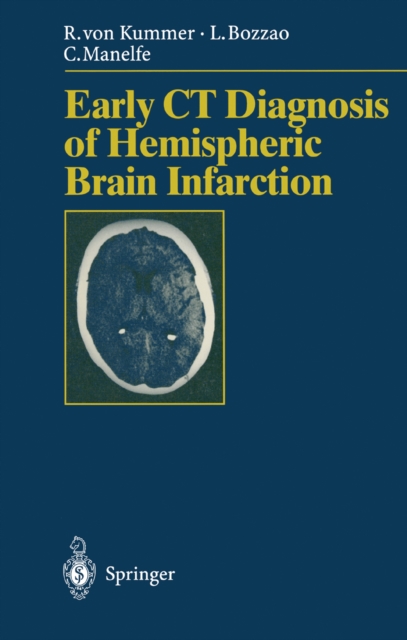
In the last decade there has been a growing interest in the study of the interactions between the heart and the brain, especially in the field of cerebral ischemia.
"e;Rate Adaptive Cardiac Pacing"e; provides a comprehensiveoverview of this most advanced form of stimulating the heartby means of cardiac pacemakers that vary the pacing rateaccording to the needs of the patients.
A representative cross section of the latest work in sleep research is presented in this book based on the international symposium "e;Sleep and Health Risk"e; held in Marburg in 1989.
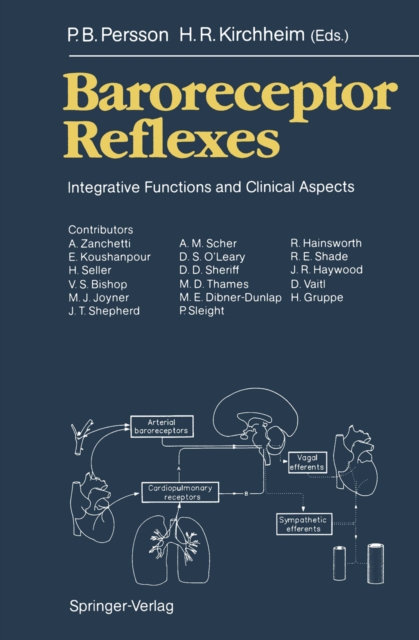
It is a great honor and pleasure for me to introduce this book; an honor, because of the scientific renown and authority of the investigators who have edited the volume and contributed the chapters; a pleasure, because my own long-lasting interest in the baroreflexes has always gone in the same directions as those along which the authors of this book have conceived and organized their work.
Das Buch behandelt die strukturellen und funktionellen Schädigungen infolge arterieller Hypertonie (Endorganschädigungen) an Blutgefäßen, Herz und Niere.