This book describes the field of osteocardiology, an exciting and new sub-discipline within cardiovascular science, which will become the cornerstone for defining the timing and treatment of cardiovascular calcification in the future.
This extensively revised second edition traces the development of the basic concepts in cardiovascular physiology in light of the accumulated experimental and clinical evidence.
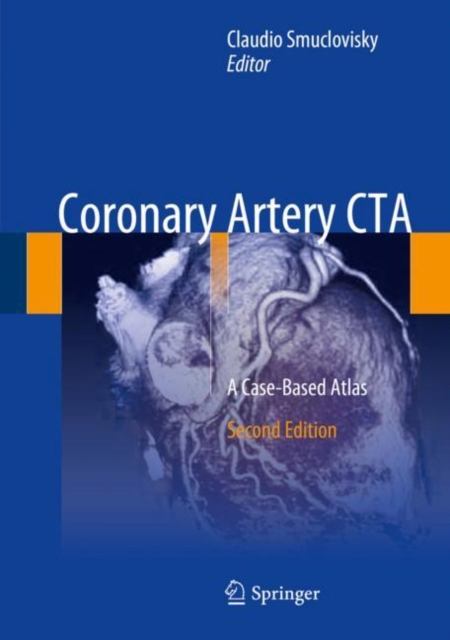
The second edition of this important work provides a broad range of cardiac CT angiography (CCTA) cases covering normal anatomy, congenital coronary anomalies, coronary artery disease, percutaneous coronary intervention, postsurgical coronary revascularization, and extra-coronary abnormalities.
This book describes the most popular topics concerning adult congenital heart disease (ACHD), especially focusing on indications and re-intervention procedures for some major ACHDs.
This book provides an introduction to the biological background of heart functioning and analyzes the various materials and technologies used for the development of microfluidic systems dedicated to cell culture, with an emphasis on cardiac cells.
This concise practical guide is designed to facilitate the clinical decision-making process by reviewing a number of cases and defining the various diagnostic and management decisions open to clinicians.
Practical Cardiovascular Hemodynamics provides an in-depth understanding of waveforms and tracings seen in various disease states as well as pathophysiology behind those findings.
Millions of people-many of them younger than we care to believe-are living in the aftermath of a heart attack, and it is vital for them to learn how to reduce the risk factors for subsequent heart problems.
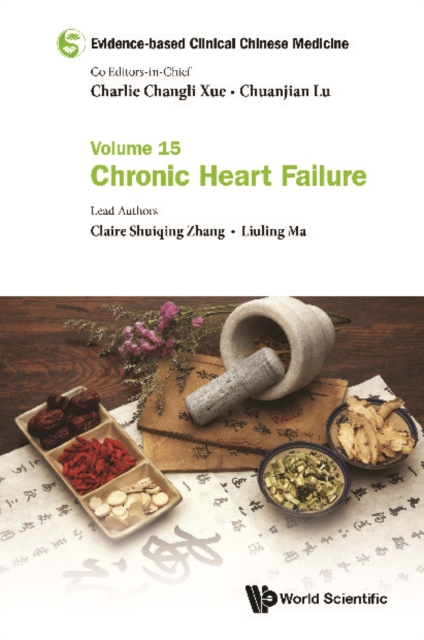
The fifteenth volume of the Evidence-based Clinical Chinese Medicine series examines the management of chronic heart failure with Chinese medicine using a 'whole evidence' approach.
The rapid pace of device development and complexity in applications along with a lack of concise, problem-oriented references has made it difficult for non-electrophysiologists to confidently manage patients with implanted cardiac rhythm devices (ICRDs).
This book provides a focused resource on how cardiac surgery capacity can be developed and how it assists in the sustainable development and strengthening of associated health systems.
The second edition of this critical text features heavily revised chapters detailing how to approach the anesthetic and perioperative management of adult and pediatric patients with congenital heart disease.
As experimentation and clinical trials with first generation anti-angiogenic agents have yielded results and our understanding of the biology and physiology of blood and lymphatic vessels has increased, a new angiogenesis volume swiftly became a necessity.
This atlas offers stunning color electron scanning micrographs and exceptional light microscopy pictures of capillaries, vessels and diverse histomorphological tissues and organs of Xenopus laevis.
This contributed volume focuses on cardiovascular diseases (CVDs), and explores the ways in which signaling mechanisms at the biochemical, molecular, and cellular levels in the blood vessels (vascular) and heart contribute to the underlying causes of development and progression of the CVDs.
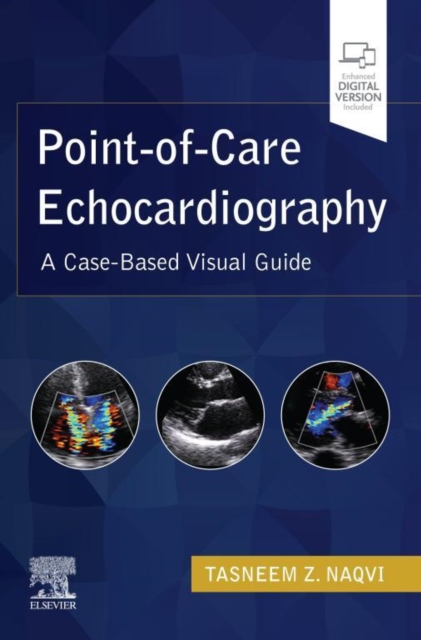
Easy-to-use, handheld echocardiographic equipment has recently become a reliable, faster, lower-cost initial assessment option for cardiologists and other healthcare providers.
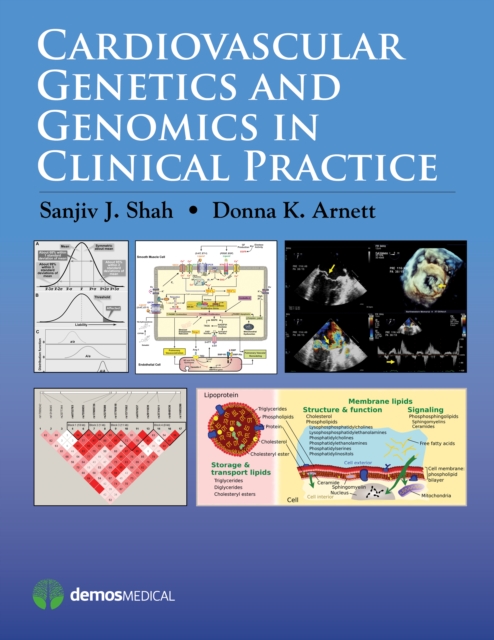
As two of the leading causes of death worldwide, heart disease and stroke represent a clear target for genomic research aimed at deciphering the genes and cellular pathways that underlie cardiovascular disease and creating improved therapies.
Cardiovascular disease is the leading cause of death in developed countries, but is quickly becoming an epidemic in such well-populated countries as China, India, and other developing nations.
The lipid-rich and otherwise challenging nature of many key tissues complicates many aspects of current research, and applications of the unique nature of lipoproteins and their biological effects has engendered unique and vital methodologies.
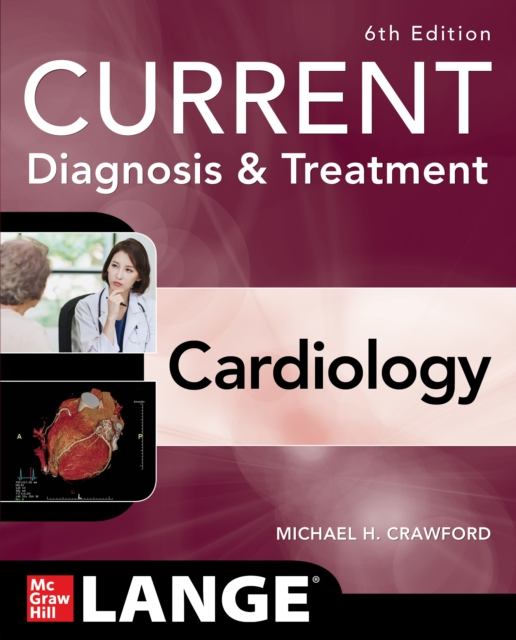
A concise, authoritative compilation of the essential information needed to diagnose and manage cardiovascular diseaseA Doody's Core Title for 2023 & 2026!
This book on "e;Renin-Angiotensin System in Cardiovascular Disease"e; includes 25 chapters, which are organized in three sections, namely (i) modulatory aspects, (ii) pathophysiological aspects, and (iii) pharmacotherapeutic aspects.
This book offers a historical account of the development of the On-X carbon mechanical heart valve, discussing the steps involved in developing the materials, and describes how the design of the valve has evolved over the years.
This volume reviews available mouse models of atherosclerosis, basic aspects of disease initiation and progression, and the visualization of atherosclerotic lesions with invasive and non-invasive techniques that are widely used both in basic research and in the clinic.
During the past decade, remarkable progress has been made in the development of newer drugs to prevent and treat thromboembolic disorders, such as oral direct anti-Xa and anti-IIa antagonists, as well as oral antiplatelet ADP antagonists with rapid onset and offset.
This book, part of the European Society of Intensive Care Medicine (ESICM) textbook series, deals with dysregulated host response a relatively new term introduced by the Sepsis-3 definitions in 2016.
Vascular Morphogenesis: Methods and Protocols provides a range of techniques for studying vascular morphogenesis in vivo and in vitro, reflecting advances in the field.
El fenómeno trombótico constituye el resultado de un sinnúmero de desencadenantes comunes en la actualidad, los que, sumados a padecimientos quizá aún desconocidos por la ciencia, colocan a la enfermedad trombótica como una de las principales causas de muerte en nuestros días tanto en México como en el resto del mundo, sin respetar diferencias en desarrollo, económicas ni políticas.