En el pasado muchas personas fallecían de tromboembolia pulmonar (TEP); incluso se ha referido que mueren hasta 400 000 personas cada año por enfermedades que en su inicio se atribuyeron a causas diferentes a la TEP, y que muchas de ellas fueron diagnosticadas durante la autopsia, o sea que nunca se pensó que fuera la TEP la causa de la muerte.
Cholesterol Explained offers clear, compassionate, and science-based guidance to help readers understand cholesterol, interpret test results, and navigate treatment options - from medications to lifestyle changes - in a simple yet accurate way.
Recognizing that the value of pharmacists extends beyond clinical interventions to include cost-effective healthcare solutions and compassionate, patient-centered care, this new series of handbooks aims to fill this gap by showcasing the expanded roles and responsibilities of pharmacists.
Después de la publicación del Manual de Semiología Vascular (Jaramillo Gallego y Agudelo Gómez, 2010), decidí escribir una segunda edición en la cual quise incluir más conocimientos relacionados con el sistema linfático, como la anatomía y fisiología de este sistema, a la vez que también quise incorporar una mayor información relacionada con la semiología vascular.
Este libro, que forma parte de la coleccion Clinicas Mexicanas de Medicina Interna en su edicion 2021, consta de ocho capitulos que de manera concisa abordan los puntos mas importantes de la insuficiencia cardiaca, una condicion a la que frecuentemente se enfrenta el medico internista en la practica diaria.
En la actualidad hablar de terapéutica de la enfermedad vascular cerebral no es sorprendente; sin embargo, estos avances son muy recientes y, a pesar de ello, la actitud hacia el manejo y el pronóstico de la enfermedad vascular cerebral es pesimista en muchos médicos.
Due to the enormous progress in multidetector CT technology as well as in magnetic resonance angiography, non-invasive coronary imaging has matured to become a clini- cal tool in daily radio logic practice.
This is the third edition of a very successful book that originally emerged from the work of a committee set up by the European Society of Urogenital Radiology in 1994 to consider the safety of contrast media used for diagnostic imaging.
Recent research has identified the assessment of myocardial perfusion and viability as another promising CT application for the comprehensive diagnosis of coronary heart disease.
Recognizing that the value of pharmacists extends beyond clinical interventions to include cost-effective healthcare solutions and compassionate, patient-centered care, this new series of handbooks aims to fill this gap by showcasing the expanded roles and responsibilities of pharmacists.
Recognizing that the value of pharmacists extends beyond clinical interventions to include cost-effective healthcare solutions and compassionate, patient-centered care, this new series of handbooks aims to fill this gap by showcasing the expanded roles and responsibilities of pharmacists.
Ambulatory Blood Pressure Monitoring: Practical Insights is a practical and clinically focused guide to one of the most important tools in modern hypertension management and cardiovascular risk assessment.
Dobutamine Stress Echocardiography: Practical Insights is a clinically focused, step-by-step guide to one of the most versatile and widely used non-invasive tests in modern cardiology.
Treadmill Stress Testing: Practical Insights is a practical, clinically oriented guide to one of the most widely used non-invasive diagnostic tools in cardiovascular medicine.
This book has been crafted to offer a visually rich and comprehensive resource for medical students, clinicians, and researchers to deepen their understanding of pathology in both academic and clinical contexts.
Temporary Cardiac Pacing: Practical Insights is a comprehensive and clinically oriented guide designed to empower healthcare professionals involved in the management of patients requiring temporary cardiac pacing.
Dilated Cardiomyopathy: Practical InsightsA complete, evidence-based guide to diagnosing, treating, and optimizing care for patients with dilated cardiomyopathy—bridging the gap between guidelines and real-world clinical practice.
This book has been crafted to offer a visually rich and comprehensive resource for medical students, clinicians, and researchers to deepen their understanding of pathology in both academic and clinical contexts.
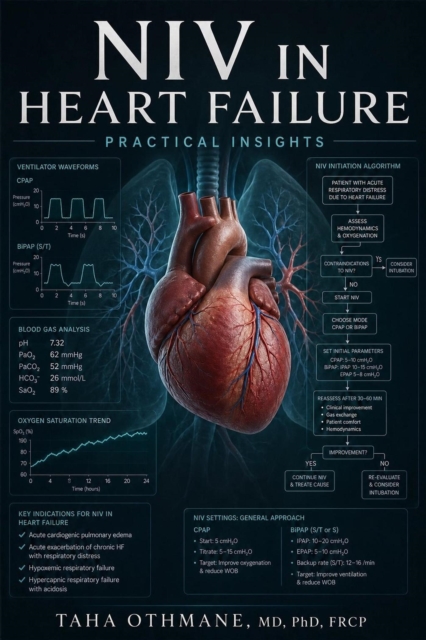
NIV in Heart Failure: Practical Insights — Book DescriptionNon-Invasive Ventilation (NIV) in Heart Failure: Practical Insights is a comprehensive, clinically focused guide designed to translate the principles and evidence of respiratory support into clear, actionable strategies for real-world heart failure care.
Cardiac Imaging Integration: Practical InsightsCardiac imaging has evolved rapidly from isolated modality-based assessments to a complex, interconnected diagnostic ecosystem.
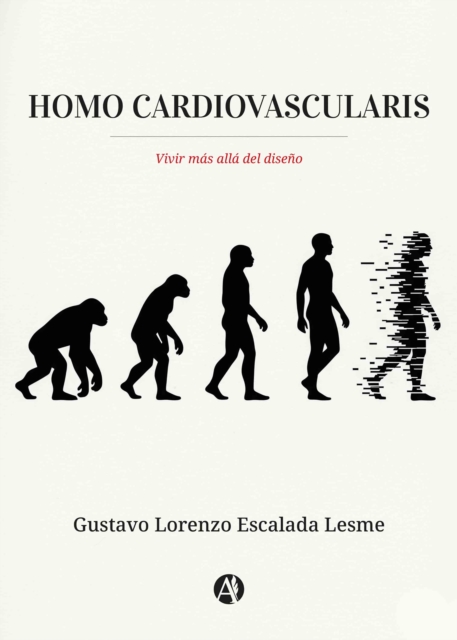
Homo cardiovascularis propone una mirada innovadora y profundamente reflexiva sobre las enfermedades cardiovasculares y metabólicas del mundo contemporáneo.
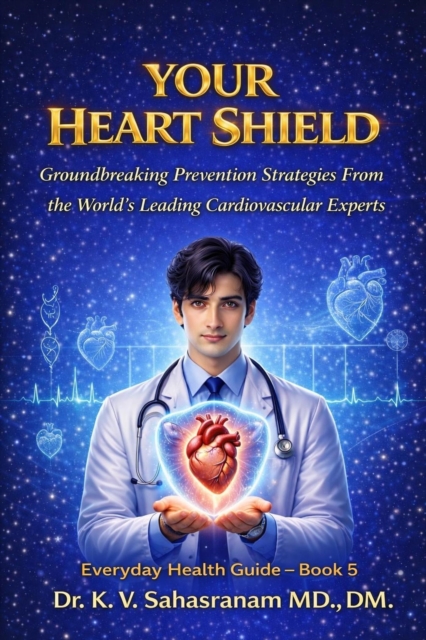
Your Heart Shield: A Complete Guide to Preventing Coronary Artery Disease· Are you aware that heart disease remains the single leading cause of death worldwide — and that up to 80% of heart attacks are preventable?
This book provides a detailed review of emergency cardiac surgery, which accounts for approximately 4% of cardiac procedures performed, yet carries a six-fold increase in operative mortality compared to elective surgery.
This book provides a detailed review of emergency cardiac surgery, which accounts for approximately 4% of cardiac procedures performed, yet carries a six-fold increase in operative mortality compared to elective surgery.
This new and thoroughly updated textbook and its companion volume elucidate the etiology of heart failure (HF) to assist understanding of the clinical therapies and surgery available.
This new and thoroughly updated textbook and its companion volume elucidate the etiology of heart failure (HF) to assist understanding of the clinical therapies and surgery available.
The renin-angiotensin system and the mechanisms regulating this system developed during the adaptive evolution of verte- brates, along with many other systems involved in the in- tegrated survival of the organism.
Stress, high blood pressure, smoking, pollution, fast foods, overweight, excessive travelling, surgery, less movement are common features in our modern life.
Interventional Pericardiology gives a unique and comprehensive view on an often neglected but clinically very important part of cardiovascular disease: The pericardium and the adjacent myocardium or epicardium.
This book will discuss about the transformative potential of artificial intelligence (AI) within the realm of cardiac magnetic resonance imaging (MRI).
This book will discuss about the transformative potential of artificial intelligence (AI) within the realm of cardiac magnetic resonance imaging (MRI).
Die Transkatheter-Aortenklappenimplantation (TAVI) ist die bevorzugte Behandlungsmethode für Patient*innen mit schwerer Aortenklappenstenose, bei denen ein erhöhtes Operationsrisiko besteht.
Die Transkatheter-Aortenklappenimplantation (TAVI) ist die bevorzugte Behandlungsmethode für Patient*innen mit schwerer Aortenklappenstenose, bei denen ein erhöhtes Operationsrisiko besteht.
Das Komplikationsmanagement im Herzkatheterlabor systematisch aufbereitet für den angehenden interventionellen Kardiologen und bereits bestehende „Heart-Teams“.