This is the third volume in the series, in which the topic of the effects of radio frequencies on human tissue, now increasingly a concern with the prevalence of cell phones, is explored by Prof.
This monograph contains the proceedings from the Advanced Study Institute on "e;Vascular Endothelium: Physiological Basis of Clinical Problems"e; which took place in Corfu, Greece in June 1990.
The purpose of this workshop was to assess the value of DNA polymorphisms for the prediction, diagnosis or elucidation of aetiology for common metabolic diseases such as diabetes, hyperlipidaemia and atherosclerosis.
Collateral blood vessels develop by growth of pre or newly formed structures in almost all vascular provinces as a consequence of progressing stenosis of the main artery.
As the majority of cardiovascular deaths are related to myocardial ischemia, it is necessary to understand the various aspects of ischemic heart disease.
In an attempt to clarify the situation regarding the diagnosis, pathogenesis and therapeutics of cardiovascular dysfunction in diabetes, an International Symposium on Diabetic Heart was held in Tokyo, Japan during October, 1989.
From the 19-29 May 1991 the NATO ASI Course PAsthma Treatment: A P Multidisciplinary Approach was held in Erice, on the rocky North West Coast of Sicily, facing the ancient Phoenician shore of the African Continent.
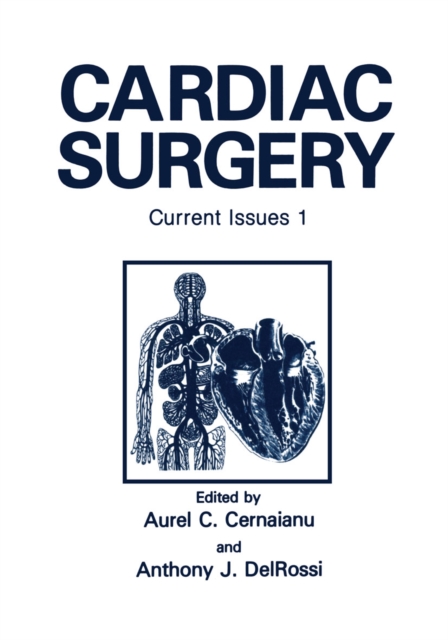
This monograph is intended to compile the lectures presented at the 4th Annual Symposium "e;Cardiac Surgery:1992"e; held at the Frenchman's Reef Beach Resort, St.
The need for publishing acomprehensive review ofa number ofdifferent membrane pathologiesofmuscleand non-musclecells inillnesses ranging from diabetes toheart disease and cancer lies on to the fact that there are several books dealing with the properties ofnormal cell membranes, although there are very few books focussing on the abnormal membrane behavior.
Ischemic Preconditioning: The Concept of Endogenous Cardioprotection consolidates, in one volume, both current knowledge and the most recent advances in ischemic preconditioning.
Angina pectoris with normal coronary arteriograms is a common entity which has puzzled cardiologists almost since the advent of coronary arteriography.
The topicS in this book represent the presentations given at the Fifth Annual Meeting entitled "e;Cardiac Surgery: Current Issues"e; held at the Frenchman's Reef Beach Resort.
The topics in this book represent the presentations given at the Seventh Annual Meeting entitled "e;Cardiac Surgery: Current Issues,"e; held at the Frenchman's Reef Beach Resort, St.
On April 8-9, 1994, a symposium entitled Control of the Cardiovascular and Respiratory Systems in Health and Disease was held at the University of California Davis Medical Center in Sacramento.
Most of the progress in cardiac energetics in recent years has been spurred by the pressure-volume area concept, the natural extension into energetics of earlier pioneering work delineating the time-varying elastance framework for ventricular contraction.
Despite the considerable success in treating diseases of the heart and blood vessels, they still remain the major cause of mortality throughout the world.
Mechanisms of Heart Failure is based on papers selected from poster presentations made at the International Conference on Heart Failure, Winnipeg, May 20-23, 1994.
The topics in this book represent the presentations given at the Fifth Annual Meeting entitled "e;Cardiac Surgery: Current Issues"e; held at the Frenchman's Reef Beach Resort, St.
The origins of what have come to be known as the "e;Oxford"e; Conferences on modelling and the control of breathing can be traced back to a discussion between Dan Cunningham and Richard Hercynski at a conference dinner at the Polish Academy of Sciences in 1971.
From molecular biology to clinical applications of selective receptor blockade, the present volume compiles the latest advances of this emerging field.
The International Society for Arterial Chemoreception (ISAC) was founded in August 1988 during the 9th International Symposium on Arterial Chemoreception which was held at Park City, Utah, USA.
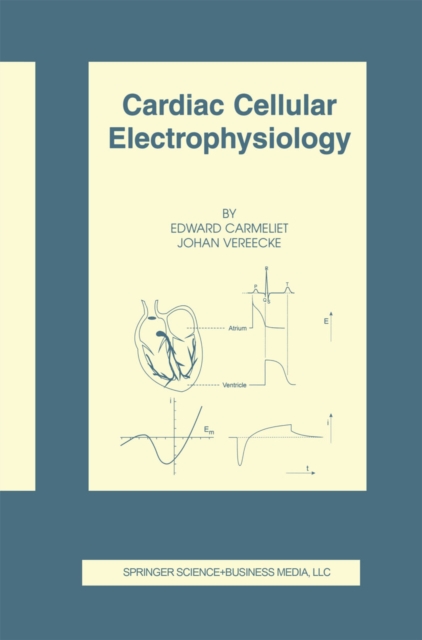
Cardiac Cellular Electrophysiology is intended for the clinical cardiologist who wishes to refresh or deepen his understanding of the cellular basis of cardiac electrophysiology, for researchers interested in the basis of the electrical activity of the heart, such as clinical investigators, physiologists or pharmacologists, for teachers in physiology, pharmacology and other biomedical studies, and for medical students from graduate to postgraduate level.
The enormous advances in molecular biology and genetics coupled with the progress in instrumentation and surgical techniques have produced a voluminous and often bewildering quantity of data.
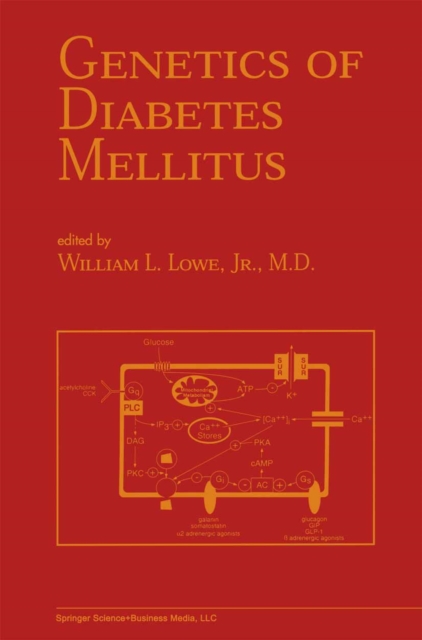
Genetics of Diabetes Mellitus is intended to be a resource for both researchers in the field as well as endocrinologists, diabetologists, and geneticists who seek to learn more about this rapidly changing and important field.
Growth Hormone and the Heart endeavors to bring together knowledge that has been accumulated in the area of GH and the heart, from basic to clinical studies, by research groups working on this topic throughout the world.
Although clinicians have recognized the importance of inflammatory mediators in the pathogenesis of heart disease for well over 200 years, it has taken nearly as many years for clinicians and scientists to focus on the basic biological mechanisms by which inflammatory mediators contribute to the pathogenesis of cardiac disease states.
Since it was introduced less than 100 years ago, analysis of the circulatory response to exercise as a measure of cardiac function has undergone remarkable development.
Role of Potassium in Preventive Cardiovascular Medicine: Information related to this question has accumulated for nearly a hundred years, from work in cellular physiology, experimental studies in animals, clinical trials, and from population and epidemiological investigations.
Peroxisome Proliferator Activated Receptors (PPARs) attract great attention in light of the wide spectrum of genes of biological and medical relevance identified as under their control.
Heart Cell Coupling and Impulse Propagation in Health and Disease includes an up-to-date review on how heart cells communicate and impulse propagation under normal as well as under pathological conditions.
The 4th International Symposium on Women's Health and Menopause, organized by the Giovanni Lorenzini Medical Foundation (Milan, Italy and Houston, Texas) focused on the new strategies to improve the quality of life of post-menopausal women.