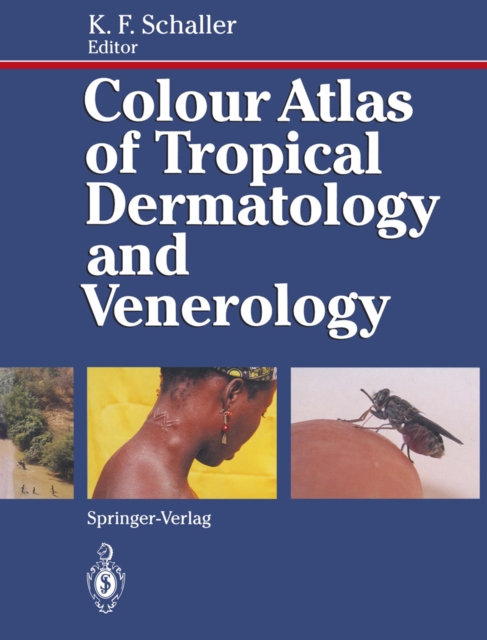
and the development of resistance such recommenda- The aim of this atlas is to provide clear guidance and a source of quick and easy reference for all physicians tions can, of course, only be of a general nature in an dealing with patients suffering from exotic skin diseases atlas such as this.
Das Buch enthält die Referate und wesentlichen Diskussionsbeiträge einer Tagung der Evangelischen Akademie Bad Boll zum Thema "Ein Kind um jeden Preis?
Lasers in Dermatology presents an excellent and complete survey of the numerous applications of lasers in dermatological therapy and research, the fundamentals of laser-skin interaction, and the various laser sources and tools in use.
Hair is the subject of this book, including the anatomy of the hair follicle, developmental stages, analyzed by light and electron microscopy, hair ultrastructure, nerve and blood supply, specialized hairs and hair organs, and a review of the present techniques to cultivate hair follicle cells in vitro.
In oncology today the accent lies on a multi-disciplinary approach, and consequently this handbook aims to provide wide-ranging information regarding all aspects of the surgical treatment of cancer.
Seit dem ersten Fortbildungskurs für praktische Dermatologie und Venerologie in München im Jahre 1951, initiiert und durchgeführt von Alfred Marchionini, sind 35 Jahre ins Land gegangen.
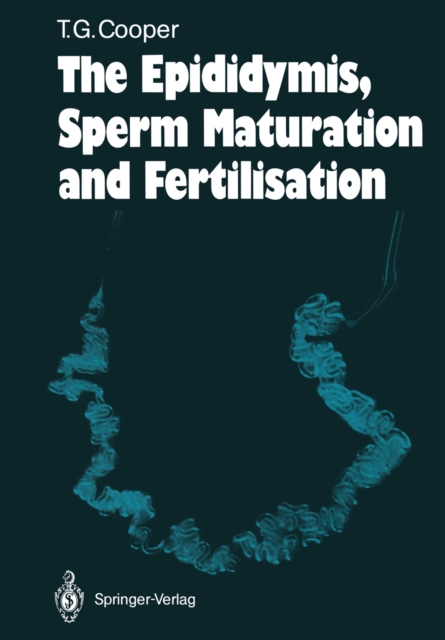
The epididymis has great significance in the reproductive biology of the male and it is gaining recognition as an organ worthy of study in its own right - where the secretory and absorptive activities of one tissue (the epithelium) profoundly modify the function of another (the spermatozoon).
Tumours of the hand are highly varied, their only common feature being their location in an organ in which preservation of sensation and mobility must be our primary concern.
In recent years, papillomaviruses in general and human papillo- maviruses in particular have been recognized as possible agents of important diseases, including some forms of human cancer.
Urticaria is a vexing problem, to the patient who teachers who have stimulated my interest and helped suffers from the annoying pruritus and the fear oflife- me to understand the basic and clinical aspects of mast threatening reactions, to the physician who faces the cell-related problems is long.
The patch test (epicutaneous test) and photo patch test are used to clarify the etiology and diagnosis of allergic as well as light-potentiated contact der- matitis.
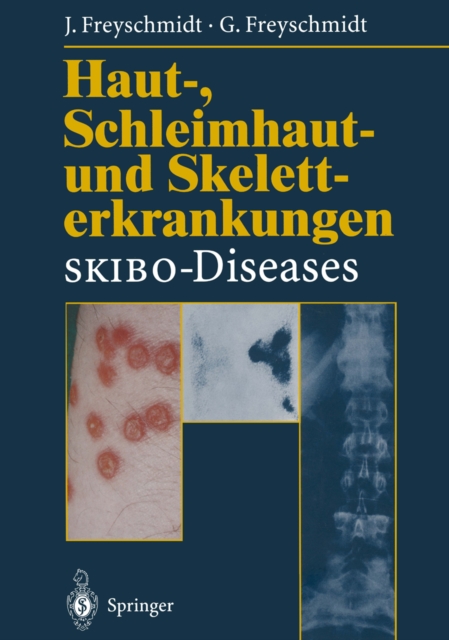
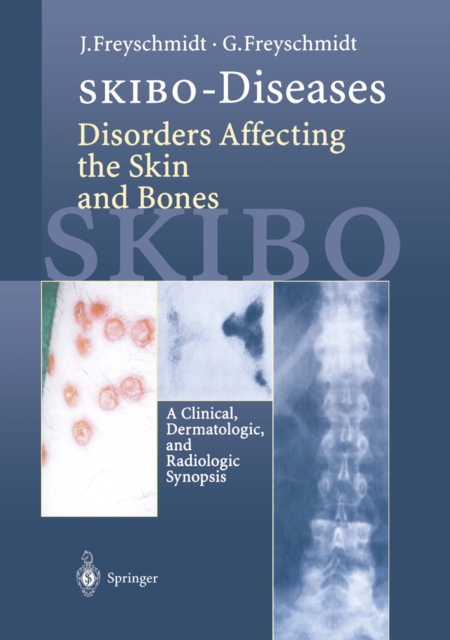
Numerous diseases in the areas of orthopaedics, rheumatology, and radiology can only be completely diagnosed if the corresponding conditions of the skin and mucous membranes are included in the diagnostic work-up (skin-bone).