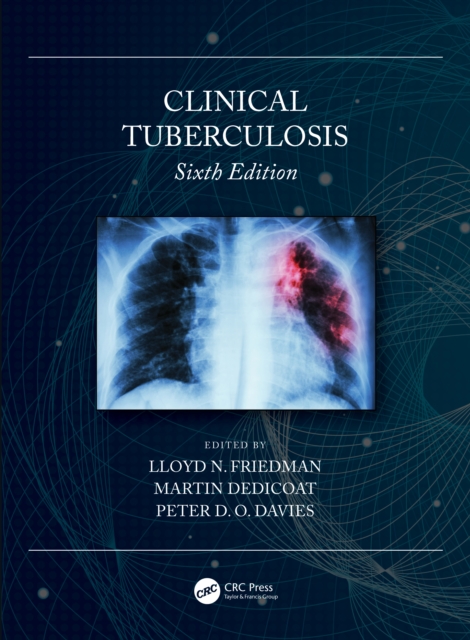
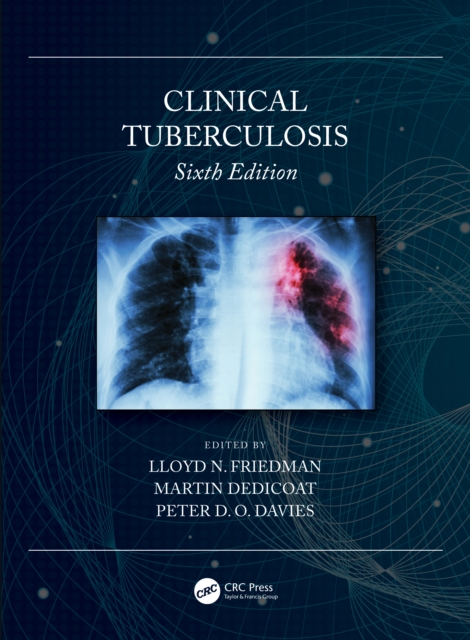
Entirely updated and revised, the 6th edition of Clinical Tuberculosis continues to provide the TB physician with a definitive and erudite account of the latest techniques in diagnosis, treatment and control of TB, including an overview of the latest guidelines from the CDC and WHO.
Entirely updated and revised, the 6th edition of Clinical Tuberculosis continues to provide the TB physician with a definitive and erudite account of the latest techniques in diagnosis, treatment and control of TB, including an overview of the latest guidelines from the CDC and WHO.
In recent years, health has become a pressing issue in international politics - a development which has been reflected in the growth of academic literature on the subject.
In recent years, health has become a pressing issue in international politics - a development which has been reflected in the growth of academic literature on the subject.
This book places greater emphasis on the practical problems of epidemiology, prevention, diagnosis, and pathological aspects of the two principle types of free-living amoebic infection: the acute disease produced by Naegleria fowleri and the chronic, subacute and opportunistic form, produced by acanthamoeba spp.
This monograph has been written with the notion that it may be read by complementologists relatively untrained in microbiology and infectious diseases and by microbiologists and infectious diseases specialists relatively untrained in complementology.
The prevalence of antibiotics, corticosteroids, and anticancer or immunosuppressive drugs and the progress of the medical treatments after World War II have saved the lives of many patients attacked by serious diseases and have contributed to the prolongation of the average life span of a human being.
This book places greater emphasis on the practical problems of epidemiology, prevention, diagnosis, and pathological aspects of the two principle types of free-living amoebic infection: the acute disease produced by Naegleria fowleri and the chronic, subacute and opportunistic form, produced by acanthamoeba spp.
This monograph has been written with the notion that it may be read by complementologists relatively untrained in microbiology and infectious diseases and by microbiologists and infectious diseases specialists relatively untrained in complementology.
The prevalence of antibiotics, corticosteroids, and anticancer or immunosuppressive drugs and the progress of the medical treatments after World War II have saved the lives of many patients attacked by serious diseases and have contributed to the prolongation of the average life span of a human being.
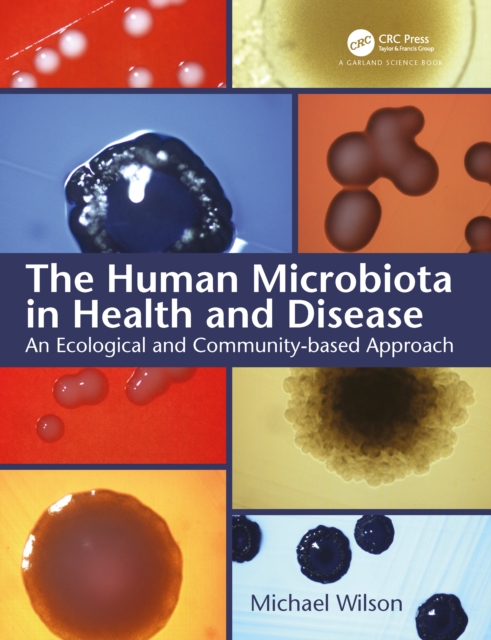
A human being consists of a mammalian component and a multiplicity of microbes, collectively referred to as the "e;microbiota"e; or "e;microbiome,"e; with which it has a symbiotic relationship.
A human being consists of a mammalian component and a multiplicity of microbes, collectively referred to as the "e;microbiota"e; or "e;microbiome,"e; with which it has a symbiotic relationship.
The world continues to lose more than a million lives each year to the HIV epidemic, and nearly two million individuals were infected with HIV in 2017 alone.
The world continues to lose more than a million lives each year to the HIV epidemic, and nearly two million individuals were infected with HIV in 2017 alone.
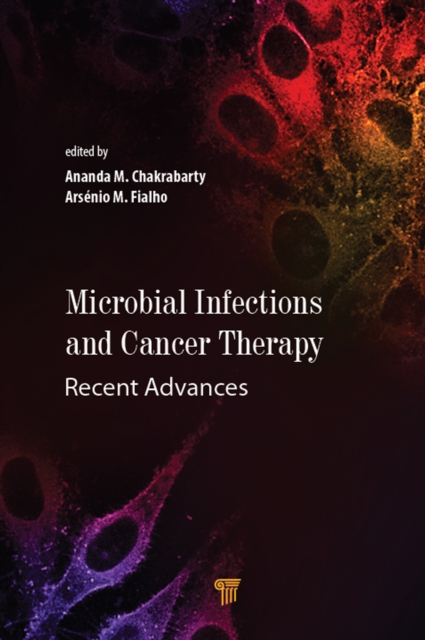
This book deals with the emerging concept that certain pathogenic bacteria and viruses, when infecting people with cancer, actively fight tumors, allowing their regression.
This book deals with the emerging concept that certain pathogenic bacteria and viruses, when infecting people with cancer, actively fight tumors, allowing their regression.
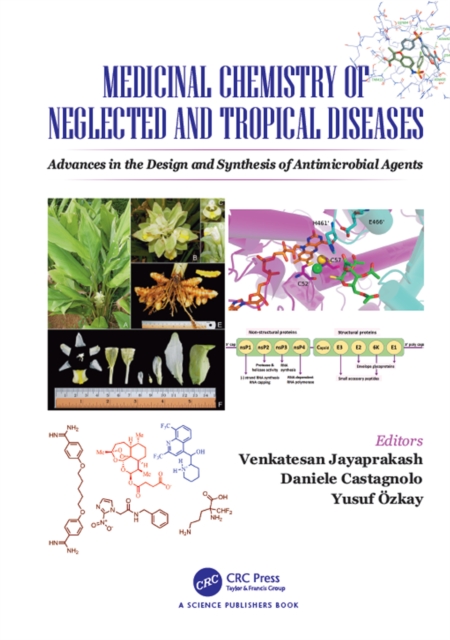
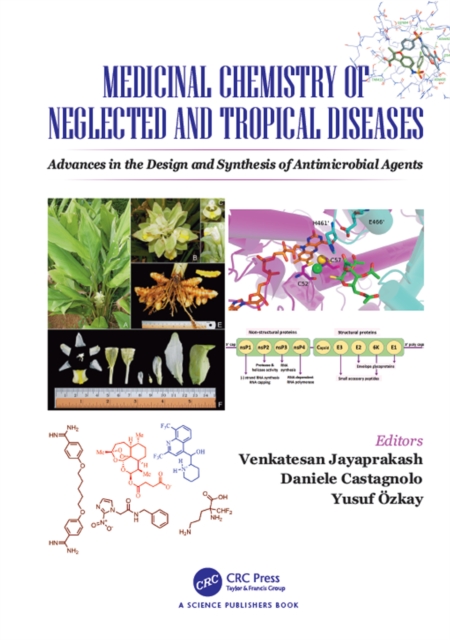
Medicinal Chemistry of Neglected and Tropical Diseases: Advances in the Design and Synthesis of Antimicrobial Agents consolidates and describes modern drug discovery and development approaches currently employed to identify effective chemotherapeutic agents for the treatment of Neglected Tropical Diseases (NTDs) from a medicinal chemistry perspective.
Medicinal Chemistry of Neglected and Tropical Diseases: Advances in the Design and Synthesis of Antimicrobial Agents consolidates and describes modern drug discovery and development approaches currently employed to identify effective chemotherapeutic agents for the treatment of Neglected Tropical Diseases (NTDs) from a medicinal chemistry perspective.
Over five centuries, a global archipelago of quarantine stations came to connect the world's oceans from the Mediterranean to the South Pacific, from Atlantic coasts to the Red Sea.
This book covers not only the political situation in Zimbabwe, but its international context and those areas of privation, exclusion and silence within the country that are beneath the everyday face of politics.
This book covers not only the political situation in Zimbabwe, but its international context and those areas of privation, exclusion and silence within the country that are beneath the everyday face of politics.
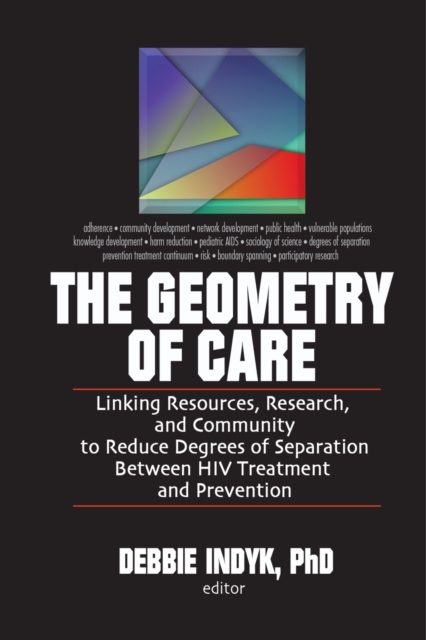
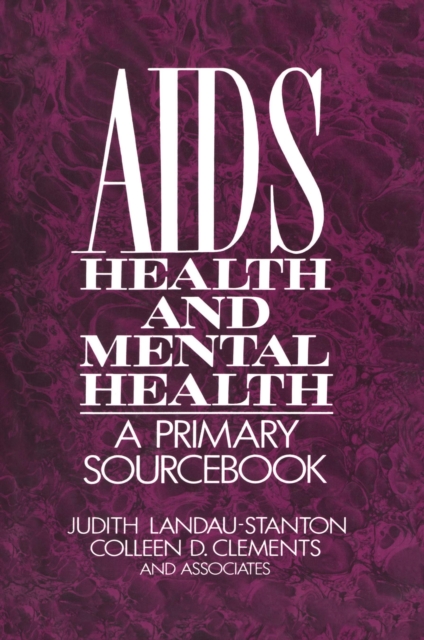
Connect multiple resources to form effective strategies to deal with AIDSAn effective strategy to deal with the AIDS epidemic is to have a wide range of scientists, clinicians, front-line workers, and clients distribute theory, care, and resource knowledge geometrically through all levels.
Connect multiple resources to form effective strategies to deal with AIDSAn effective strategy to deal with the AIDS epidemic is to have a wide range of scientists, clinicians, front-line workers, and clients distribute theory, care, and resource knowledge geometrically through all levels.
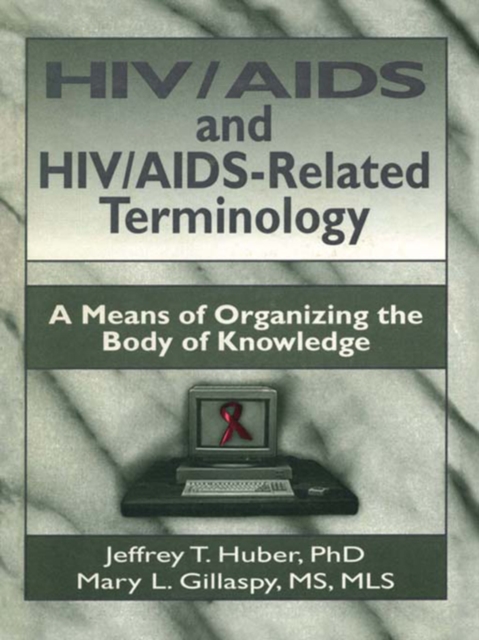
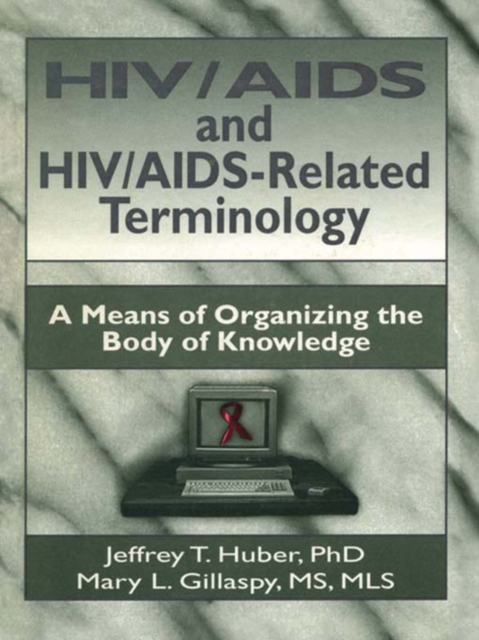
HIV/AIDS and HIV/AIDS-Related Terminology: A Means of Organizing the Body of Knowledge offers an adaptable and extensive framework for organizing the ever-expanding number of resources on the HIV/AIDS epidemic.
HIV/AIDS and HIV/AIDS-Related Terminology: A Means of Organizing the Body of Knowledge offers an adaptable and extensive framework for organizing the ever-expanding number of resources on the HIV/AIDS epidemic.
This volume presents a systems approach to understanding and managing the AIDS crisis - an approach that addresses the needs not only of HIV- infected individuals, but also of families and communities at risk from AIDS.
This volume presents a systems approach to understanding and managing the AIDS crisis - an approach that addresses the needs not only of HIV- infected individuals, but also of families and communities at risk from AIDS.
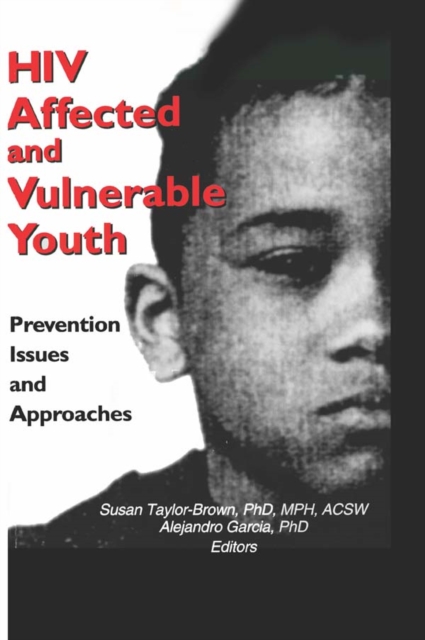
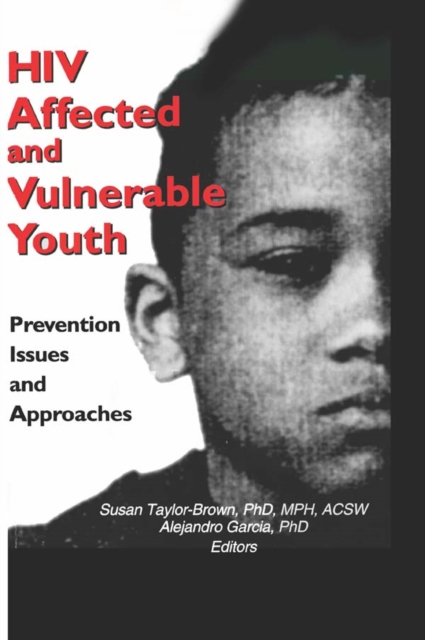
HIV Affected and Vulnerable Youth: Prevention Issues and Approaches provides suggestions for support of vulnerable youth who must face chronic disease or death, poverty, drug abuse, and racism, as well as the tribulations that accompany adolescence.
HIV Affected and Vulnerable Youth: Prevention Issues and Approaches provides suggestions for support of vulnerable youth who must face chronic disease or death, poverty, drug abuse, and racism, as well as the tribulations that accompany adolescence.
Addressing contemporary issues faced by individuals with HIV/AIDS, AIDS and Mental Health Practice: Clinical and Policy Issues provides psychologists, psychiatrists, social workers, and counselors with research and case studies that offers models for effective clinical practice at this stage of the epidemic.
Addressing contemporary issues faced by individuals with HIV/AIDS, AIDS and Mental Health Practice: Clinical and Policy Issues provides psychologists, psychiatrists, social workers, and counselors with research and case studies that offers models for effective clinical practice at this stage of the epidemic.
Explore ways to reduce the rate of HIV infection in street prostitutes--and the inescapable connection between the heroin trade, prostitution, and HIV!
Explore ways to reduce the rate of HIV infection in street prostitutes--and the inescapable connection between the heroin trade, prostitution, and HIV!