The best review of renal physiology available for USMLE(R) Step 1-completely updated with the latest researchCombining the latest research with a fully integrated teaching approach, Vander s Renal Physiology, Tenth Edition clearly and expertly explains how the kidneys affect other body systems and how they in turn are affected by these systems.
Zwischen Nierenerkrankungen und Niereninsuffizienz einerseits und onkologischen Erkrankungen andererseits bestehen komplexe wechselseitige Beziehungen.
Nutrition Therapy for Urolithiasis provides evidence based recommendations, established by a comprehensive, state of the art review of the available literature to help clinicians with nutritional counseling for dietary stone prevention.
This concise book provides practical strategies to help nephrologists and endocrinologists correctly diagnose and treat the various forms of parathyroid disease they may encounter in the management of chronic kidney disease.
To-the-point diagnostic and therapeutic information on kidney diseases, hypertension, and kidney transplantationCURRENT Essentials of Nephrology & Hypertension is a practical, state-of-the-art review of the clinical management of kidney disease and hypertension.
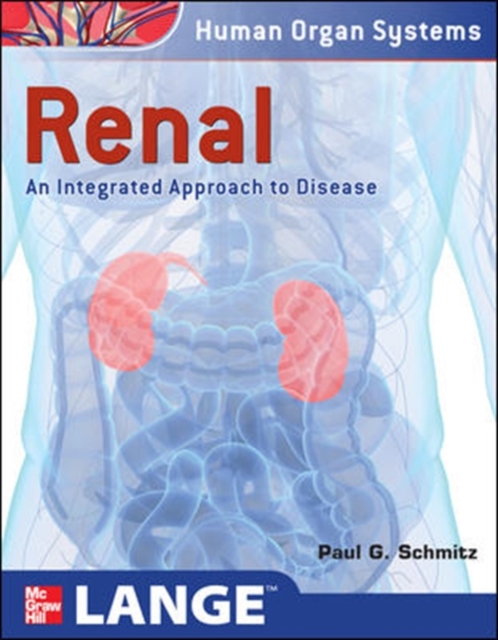
An innovative, organ-specific text that blends basic science with the fundamentals of clinical medicinePart of the Human Organ Systems series, Renal: An Integrated Approach to Disease skillfully bridges the gap between the science and practice of medicine.
This handbook provides the fundamental information required to make good clinical assessments and management decisions in children with renal disorders.
This book describes the past, present and future of dialysis and dialysis-related renal replacement therapies so that the reader can acquire a firm grasp of the medical management of acute and chronic renal failure.
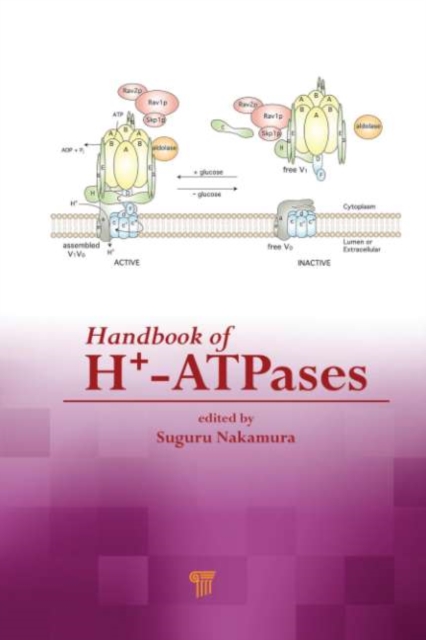
This handbook on vacuolar and plasma membrane H+-ATPases is the first to focus on an essential link between vacuolar H+-ATPase and the glycolysis metabolic pathway to understand the mechanism of diabetes and the metabolism of cancer cells.
This book provides a comprehensive and systematic review of the latest findings in a wide spectrum of clinically important aspects of chronic kidney disease (CKD), focusing on clinical diagnosis and therapeutics.
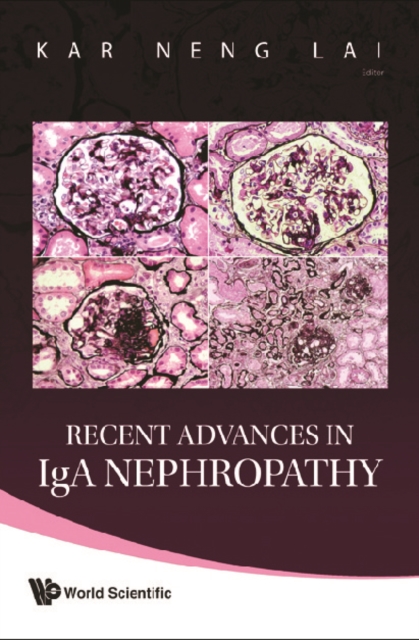
This book provides clear understanding of morphological appearances of various glomerular lesions encountered in a wide range of diseases involving renal glomeruli.
This book describes the latest research on the gut-kidney axis of ureic solutes; the toxico-pathological mechanisms of uremic toxin-induced organ failure, including kidney and cardiovascular tissue; and the preventive therapeutic strategies for uremia and related organ failure associated with kidney injuries and diseases.
This book presents up-to-date information on the clinical-pathophysiological features of acute renal injury and discusses the KDIGO diagnostic criteria, as well as novel experimental findings, including in the area of regenerative medicine.
This book presents up-to-date information on the clinical-pathophysiological features of acute renal injury and discusses the KDIGO diagnostic criteria, as well as novel experimental findings, including in the area of regenerative medicine.
This volume focuses on cadmium (Cd) exposure, its effects on human health, the mechanism of Cd accumulation and the development of mitigation technologies.
This volume is an excellent guide that comprehensively illustrates hypertensive disorders of pregnancy, especially preeclampsia, in both the basic and clinical aspects.
This book explains the development of various laparoscopic donor nephrectomy (LDN) techniques, which can be performed via the retroperitoneal or the transperitoneal approach.
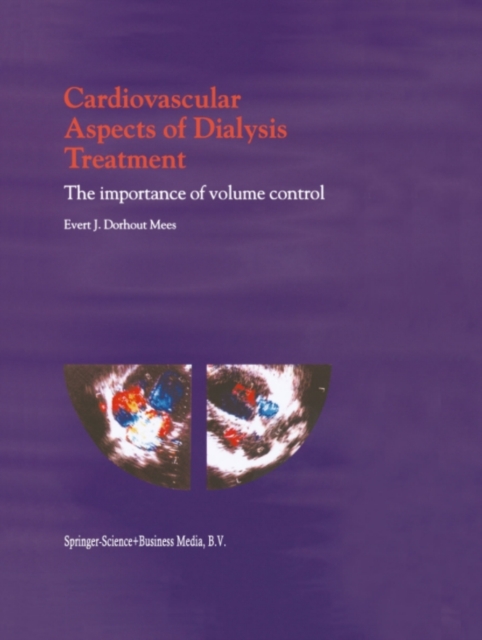
More than half a million people worldwide are now sustained by renal replacement therapy, mainly hemodialysis at a cost exceeding USD 30 billion per year.
Cardiovascular complications are not only responsible for more than half of our patients' mortality, they also represent the bulk of everyday problems in a dialysis unit.