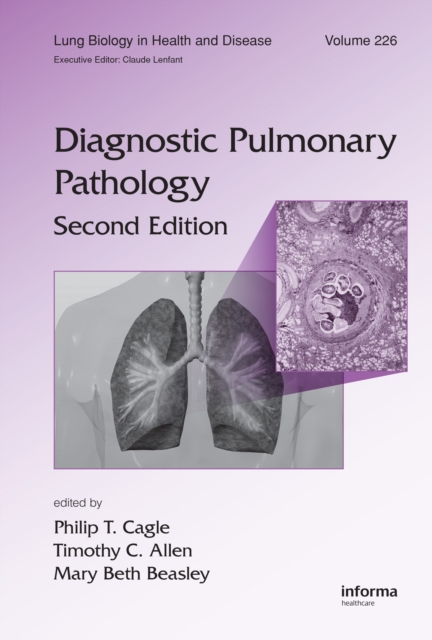
Maintaining the first edition's unique parallel to the strategy used by pathologists and pulmonologists to arrive at a patient's diagnosis in daily practice, Diagnostic Pulmonary Pathology starts with the patient and their biopsy findings, directing the pathologist or clinician to the proper diagnosis.
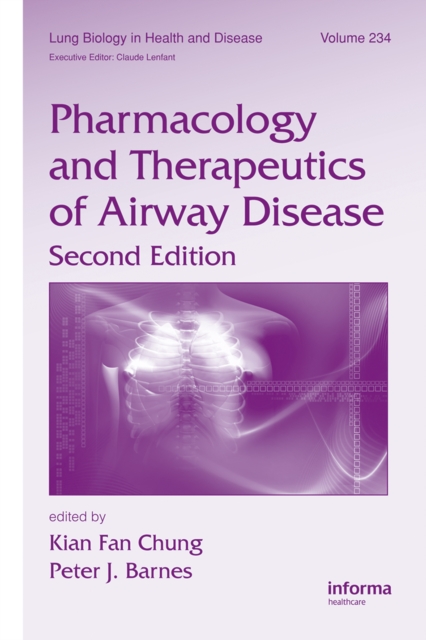
Written as a concise clinical reference guide covering the current and future airway disease treatments, this text encompasses: pathophysiology of respiratory tract diseasesthe methods of measuring airway and clinical responsesthe concepts upon which many treatments are used in COPD and asthma conditionsthe way in which these treatments work,
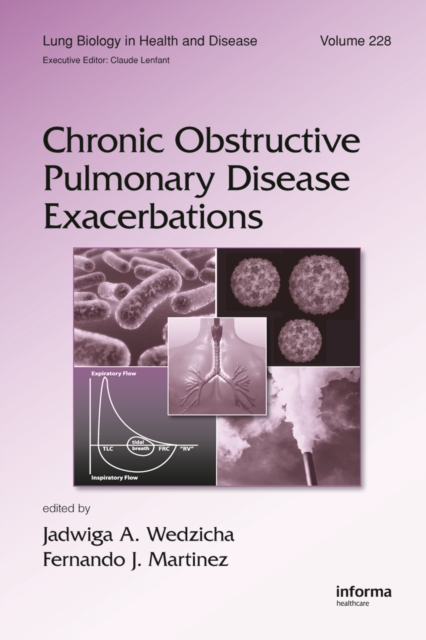
This reference compiles the most current technical and biological data available to survey the state-of-science in the care and management of patients with bronchopulmonary dysplasia, COPD, and other forms of lung disease-tracking the initiation and progression of processes that cause airway obstruction, the biologic and physiological abnormalities
Continuing to serve as the definitive source on the subject, Pneumocystis Pneumonia offers a detailed update on the biology, pathogenesis, genetics, and immunology of Pneumocystis.
This reference surveys current best practices in the prevention and management of ventilator-induced lung injury (VILI) and spans the many pathways and mechanisms of VILI including cell injury and repair, the modulation of alveolar-capillary barrier properties, and lung and systemic inflammatory consequences of injurous mechanical ventilation.
Compiled by an internationally recognized team of contributors, this reference spans methods to effectively identify, diagnose, and treat this frequently challenging group of rhinopathies.
Responding to the substantial growth that has taken place in the field over the past decade, this reference provides an in-depth overview of current thought on the genetics and genomics of asthma and COPD in relation to their pathogenesis and treatment.
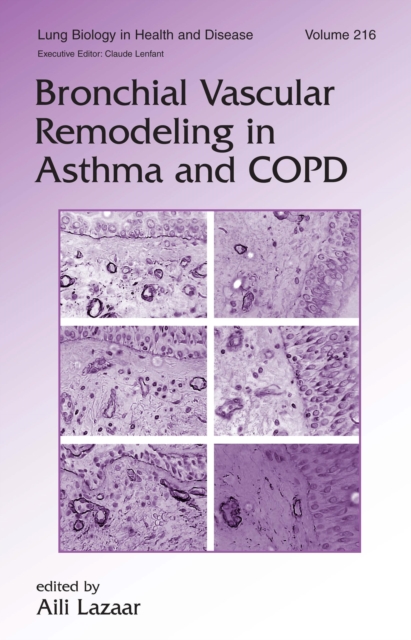
Responding to the growth of research in the field over the past decade, this book brings together leading investigators with expertise in pulmonology, pathology, and developmental biology to clarify the mechanisms that regulate the development of bronchial vascular remodeling in asthma and COPD, as well as explore the pathophysiological processes that may impact the formulation of new therapeutic strategies for these conditions.
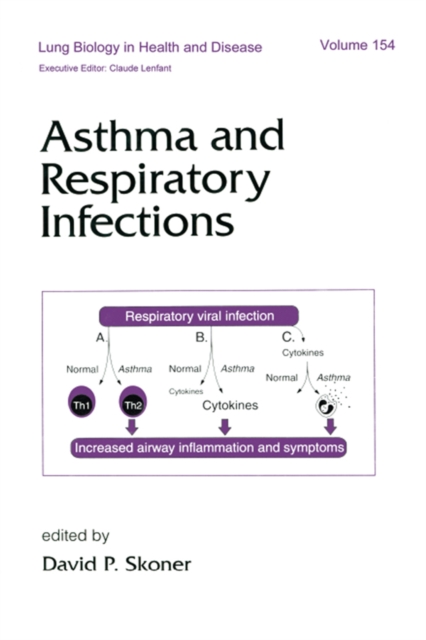
Performing a thorough and detailed study of one of the most common yet less accurately understood causes of human illness, this all-inclusive reference examines the epidemiology, pathophysiology, and future treatment options for asthma and respiratory infections.
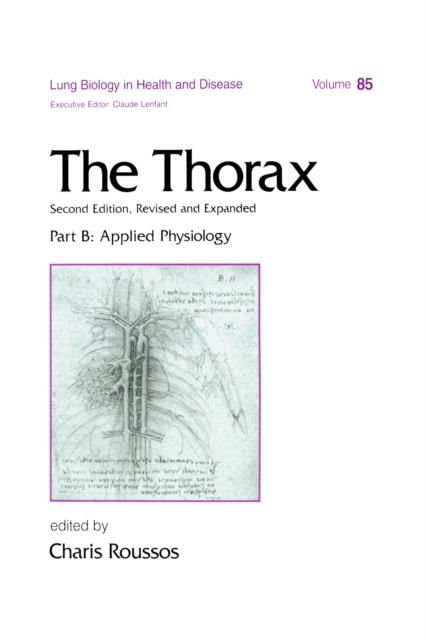
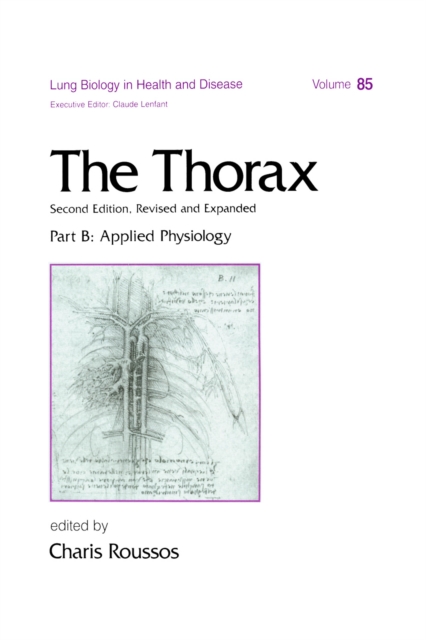
This book provides a comprehensive, authoritative, and contemporary discussion of the physiology and pathophysiology of the chest wall as well as an overview of the diagnostic and therapeutic modalities.
The major characteristic pathological findings of pulmonary vascular remodelling are increased wall thickening of pulmonary vessels and mus- larization of small arteries.
This easy yet comprehensive reference guide covers the mechanisms of respiratory diseases, explaining the main respiratory conditions for clinicians and postgraduate trainees.
This easy yet comprehensive reference guide covers the mechanisms of respiratory diseases, explaining the main respiratory conditions for clinicians and postgraduate trainees.
Inhalation aerosols continue to be the basis for successful lung therapy for several diseases, with therapeutic strategies and the range of technology significantly evolving in recent years.
Inhalation aerosols continue to be the basis for successful lung therapy for several diseases, with therapeutic strategies and the range of technology significantly evolving in recent years.
Now in full-colour, this eagerly-anticipated second edition continues to be the most comprehensive resource available on non-invasive ventilation (NIV), both in the hospital and at home.
Using illustrative case examples, this book thoroughly reviews similarities and differences between asthma, chronic obstructive pulmonary disease (COPD) and the overlap syndrome.
Tumors and cancers are insidious diseases characterized by uncontrolled growth of abnormal cells that extend beyond their usual boundaries and disrupt the normal functions of affected organs.
Tumors and cancers are insidious diseases characterized by uncontrolled growth of abnormal cells that extend beyond their usual boundaries and disrupt the normal functions of affected organs.
This timely Second Edition of a landmark reference furnishes in-depth examinations of the latest developments in the physiology, pathophysiology, and clinical relevance of the respiratory muscles and chest wall-reflecting the explosion of information that has occurred since the publication of the previous edition.
This timely Second Edition of a landmark reference furnishes in-depth examinations of the latest developments in the physiology, pathophysiology, and clinical relevance of the respiratory muscles and chest wall-reflecting the explosion of information that has occurred since the publication of the previous edition.
Entirely updated and revised, the 6th edition of Clinical Tuberculosis continues to provide the TB physician with a definitive and erudite account of the latest techniques in diagnosis, treatment and control of TB, including an overview of the latest guidelines from the CDC and WHO.
Entirely updated and revised, the 6th edition of Clinical Tuberculosis continues to provide the TB physician with a definitive and erudite account of the latest techniques in diagnosis, treatment and control of TB, including an overview of the latest guidelines from the CDC and WHO.
Since the cloning of the cystic fibrosis transmembrane conductance re- lator (CFTR) nearly a decade ago, cystic fibrosis (CF) research has witnessed a dramatic expansion into new scientific areas.
The definitive guide to the clinical and scientific aspects of pulmonary medicine-fully updated with the latest advances in the fieldA Doody's Core Title for 2023, 2024 & 2026!
The burden of chronic obstructive pulmonary disease (COPD) is enormous and is increasing, but early, accurate diagnosis in a primary care setting can have a crucial impact on managing the condition.
This volume, focusing on breast cancer, is part of a survey of health care needs for specific conditions, published on behalf of the Department of Health.
The definitive guide to the clinical and scientific aspects of pulmonary medicine-fully updated with the latest advances in the fieldA Doody's Core Title for 2023, 2024 & 2026!
The burden of chronic obstructive pulmonary disease (COPD) is enormous and is increasing, but early, accurate diagnosis in a primary care setting can have a crucial impact on managing the condition.