A number of chronic respiratory diseases including chronic bronchitis, asthma, cystic fibrosis and bronchiectasis are characterized by mucus hypersecretion.
This is the first book to address the uses of handheld computers within clinical practice and considers the many different possible applications of handheld computers in a medical environment.
This new Edition of A Practical Guide to Clinical Virology has been thoroughly updated and is a practical, highly illustrated, quick reference guide to clinical virology.
Chronic inflammation predisposes to some forms of cancer and the host response to malignant disease shows several parallels with inflammation and wound healing.
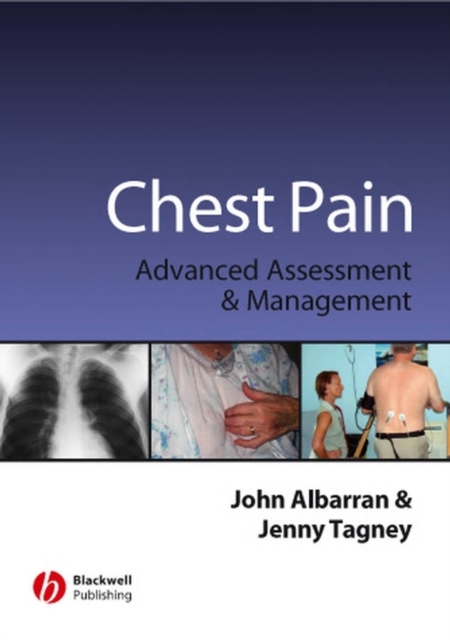
Chest Pain: Advanced Assessment and Management promotes a systematic approach to the assessment and management of patients presenting with chest pain and related undifferentiated symptoms.
Community-Acquired Pneumonia (CAP) refers to pneumonia acquired outside of hospitals or extended-care facilities, and is distinct from Nosocomial or hospital-acquired pneumonia, which is a separate disease entity.
Written by field experts, Neuroimmunology in Clinical Practice fills a void in traditional neuroimmunology literature, which tends to cover the discipline s scientific aspects with little emphasis on clinical applications.
The first all-inclusive text on the pitfalls, complications and controversies surrounding the use of lasers in dermatology and aesthetic medicine Each chapter starts off by highlighting the key points and essential concepts, followed by a review of the associated pearls and problems Provides the reader with tips on how to improve the safe and effective use of lasers Images focus on the pearls and problems Laser Dermatology: Pearls and Problems is different from other laser dermatology books.
The Evidence-based Practice Workbook is an ideal tool for use by GPs, medical specialists and other healthcare professionals to learn the concepts of evidence-based practice (EBP).
By pairing the highest quality images with succinct text, this fully revised atlas explains methods of diagnosis, evaluation and treatment Detailing how to set up a urodynamic laboratory and discusses equipment and individual urodynamic techniques Illustrating neurologic conditions, looking at the special problems of pediatric and geriatric patients With unique, carefully reproduced urodynamic tracings and scans show you what to expect in the lab The highly regarded author team is led by Dr.
Over the last few years there have been huge advances made in our understanding of the interactions between the brain and the gut the enteric nervous system.
Highly Commended in the 2004 BMA Medical Book Competition (Endocrinology) Judges summary: Beautifully and clearly written to appeal to all levels of healthcare professional knowledge.
Based on a major systematic review from international centres this concise text discusses the benefits of managing stroke patients in specialised units compared to management outside the hospital.
The new edition of this highly successful book provides a concise and practical guide to eye disease for the non-specialist, avoiding jargon and giving clear guidance on the practical management of common eye complaints.
Resynchronization and Defibrillation for Heart Failure: A Practical Approach is one of the first texts to provide caregivers with information about the background and application of this new and rapidly expanding discipline.
The Infectious Diseases Manual is a concise and up-to-date guide to infectious diseases, medical microbiology and antibiotic prescribing "e;I have no hesitation in recommending this book to practitioners of all grades.
Physiotherapy Management of Haemophilia provides a comprehensive overview of the physiotherapy treatment concepts and management strategies currently available that can be incorporated into the management programs for patients with haemophilia.
Written by some of the world's leading practitioners - and pioneers - in the field, Thoracic Endoscopy is the first up-to-the-minute, expert reference for clinicians with a solid foundation in diagnostic bronchoscopy and chest medicine needing to extend their clinical expertise in response to two decades of rapid development.
Prompting the first WHO global health alert for over a decade, Severe Acute Respiratory Syndrome (SARS) was first recognised in South-East Asia in February 2003.
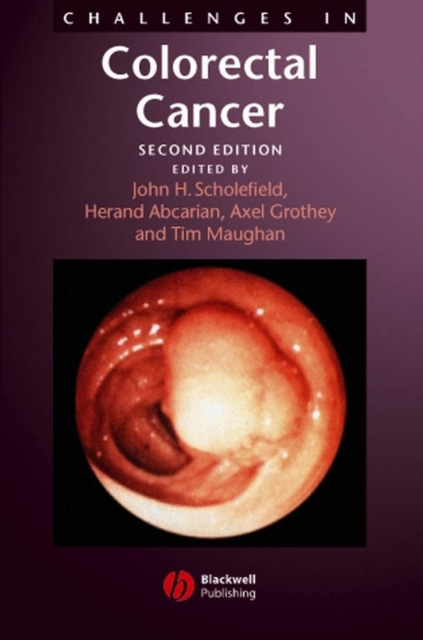
The latest guidance on challenging and controversial aspects of colorectal cancer Colorectal cancer is one of the most common forms of cancer in the US and Europe.
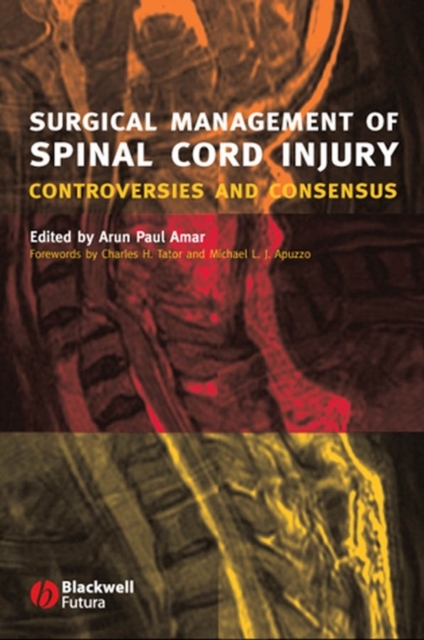
Surgical Management of Spinal Cord Injury: Controversies and Consensus reviews the controversies pertaining to the emergency, diagnostic, medical, and surgical management of spinal cord injury (SCI).
Medical Care of the Liver Transplant Patient looks at monitoring and maintaining the health of organ recipients and donors, pre, during and post-operatively.
In 1998 Professor Ha ssaguerre and his colleagues made the initial observation in patients that triggering foci in or around the pulmonary veins initiate some types of atrial fibrillation.
What the practicing cardiologist really needs is a text that emphasizes unbiased, up to date information and that places this information into an appropriate context.
Evidence-based guidance to answer more than 60 controversial clinical questions on inflammatory bowel disease Clinical Dilemmas in Inflammatory Bowel Disease is a practical handbook providing quick but detailed answers to the questions and challenges that you are faced with daily in the clinical setting.