Until recently, endocrinology and critical care medicine were two specialties in medicine that were rather uncomfortable with each other and hence quite i- lated.
Because critical care medicine is a cutting-edge medical field that is highly evidence-based, studies are continuously published altering the approach to patient-care.
In Pediatric Critical Review, Board certified pediatric critical care physicians uniquely capture the essence of the most common critical care scenarios in a series of carefully crafted questions and answers.
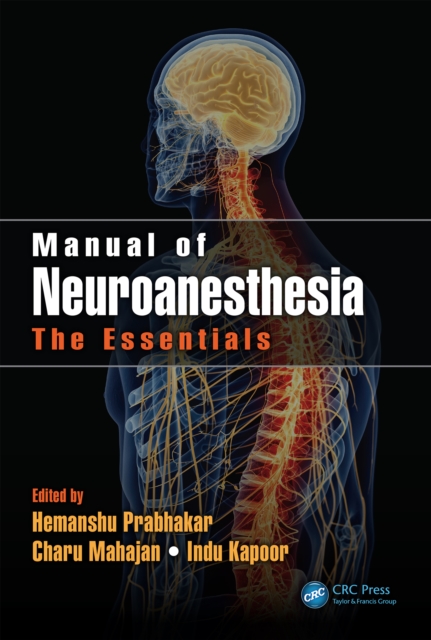
Neurocritical care as a subspecialty has grown rapidly over the last 20 years with the advent of newer monitoring and diagnostic techniques and therapeutic modalities in a variety of brain and spinal cord injury paradigms.
Intended for diabetes researchers and medical professionals who work closely with patients with diabetes, this newly updated and expanded edition provides new perspectives and direct insight into the causes and consequences of this serious medical condition from one of the foremost experts in the field.
Now in full-colour, this eagerly-anticipated second edition continues to be the most comprehensive resource available on non-invasive ventilation (NIV), both in the hospital and at home.
Interpreting the fluid requirements of a patient and working out what to do next can seem like a daunting task for the non-specialist, yet it is a skill that any doctor, nurse or paramedic needs to be fully appraised of and comfortable with.
Over the past decade, there have been a large number of important studies related to fluid management for the surgical patient, resulting in confusion on this critical aspect of patient care.
Concise yet comprehensive, this textbook of clinical pulmonology provides pulmonologists and respiratory disease physicians with all the key information that they need to know to manage the patient through the diagnosis and treatment journeys.
In its first edition, Principles of Clinical Medicine for Space Flight established itself as the authoritative reference on the contemporary knowledge base of space medicine and standards of care for space flyers.
There are few clinical problems in the sleep medicine field that are more challenging than the sleep difficulties experienced by individuals suffering from post-traumatic stress disorder (PTSD).
This book is an important new resource for clinicians caring for ventilator dependent children, who often have complex health care needs, are supported by advanced technology and are at high-risk of serious complications.
As space medicine evolved from the late 1950s onward, the need arose for a ready reference for students and practitioners on the basic concepts of this new specialty.
This text is designed to provide a comprehensive and state-of-the-art overview of the major issues specific to technological advances the field trauma, critical care and many aspects of surgical science and practice.
This book provides an overview of pulmonary hypertensive diseases, the current understanding of their pathobiology, and a contemporary approach to diagnosis and treatment.
Clinical research in critical care has exploded in the past several years and we now have a much better understanding of how to care for intensive care unit (ICU) patients in areas such as management of sepsis, fluid resuscitation, mechanical ventilation, antibiotic administration and sedation and analgesia.
The origin of modern intensive care units (ICUs) has frequently been attributed to the widespread provision of mechanical ventilation within dedicated hospital areas during the 1952 Copenhagen polio epidemic.
This volume is a comprehensive, state-of-the-art review for clinicians with an interest in the peri-operative nutritional management of all surgical patients.
Ultrasound in the Intensive Care Unit explores the current state of evidence supporting use of bedside ultrasound for procedural guidance and for the critical care-focused assessment of a variety of organ systems.
Neurointervention in the Medical Specialties is a first-of-its-kind reference that serves as a bridge between the neurointerventionalist and the physicians who most frequently look to these specialists for answers to some of the most intractable problems they face.
This comprehensive resource brings together the most current theories, evidence and best practice parameters for the use of nocturnal non-invasive ventilation (nNIV).
Answering the demand for acomprehensive, all-purpose volume focusing on the challenging needs of pediatric patients, Mechanical Support for Cardiac and Respiratory Failure in Pediatric Patients summarizes a wealth of knowledge on the mechanical devices, clinical management, alternative applications, and future directions in the specialized field of
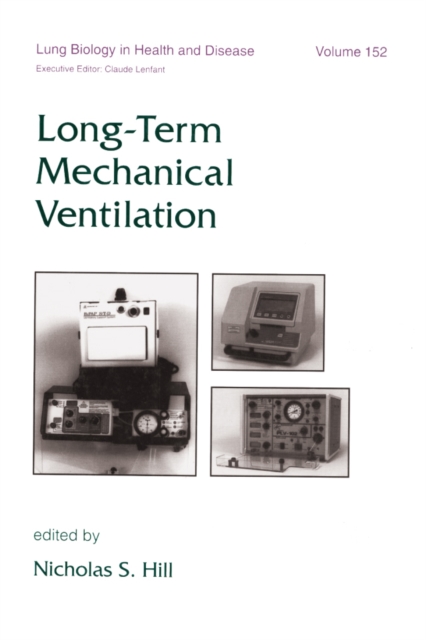
Summarizing state-of-the-art developments in long-term mechanical ventilation use, this comprehensive treatise reviews the applications, complications, and care of breathing disorders affecting the growing population of ventilation-assisted individuals-including neuromuscular and chronic obstructive pulmonary diseases (COPD) and chest wall deformit
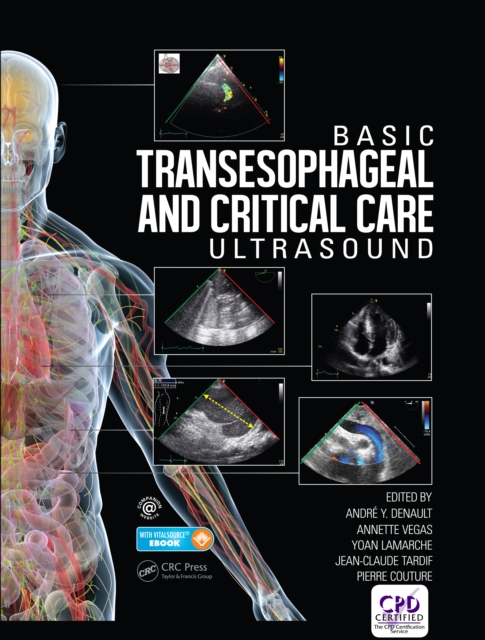
Basic Transesophageal and Critical Care Ultrasound provides an overview of transesophageal ultrasound of the heart, lung, and upper abdomen as well as basic ultrasound of the brain, lung, heart, abdomen, and vascular system.
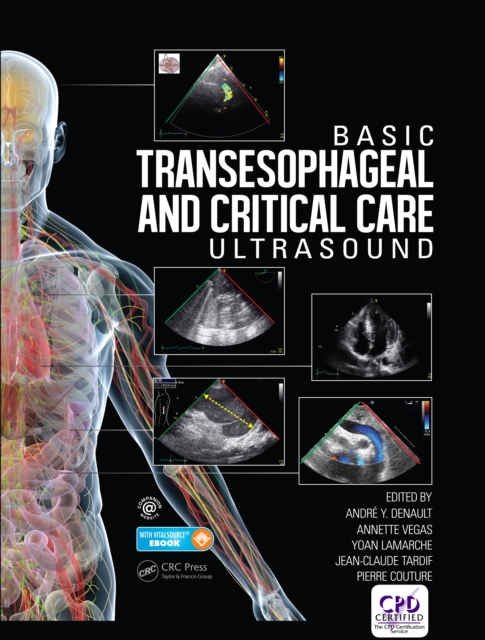
Basic Transesophageal and Critical Care Ultrasound provides an overview of transesophageal ultrasound of the heart, lung, and upper abdomen as well as basic ultrasound of the brain, lung, heart, abdomen, and vascular system.