Perinatal medicine, which is concerned with the problems of the fetus and newborn, has rapidly developed in the last two decades as an important and challenging specialty.
During the past twelve years, a course on critical care medicine has been sponsored by the Post Graduate Division of the University of Southern California School of Medicine in association with its Center for the Criti- cally Ill.
As a registered nurse for the last 28 years, my primary clinical expertise has been working in the pre-hospital environment as a flight nurse and a paramedic, as well as continuing to work in a variety of clinical areas which include the emergency department, pediatrics and endoscopy.
In spite of great improvements in prehospital, critical care, and surgical management, traumatic brain injury is still a leading cause of death and disability resulting in great socioeconomic burden.
In spite of great improvements in prehospital, critical care, and surgical management, traumatic brain injury is still a leading cause of death and disability resulting in great socioeconomic burden.
This updated and refined new edition is the only book to provide a comprehensive approach to the intensive care of neurologically injured patients from the emergency room and ICU through the operating room and post-surgical period.
Neurological Emergencies in Clinical Practice discusses neurological emergencies in a stepwise fashion including stabilizing the patient, identifying the cause, and treating the underlying cause.
This book aims to highlight the importance of the development of health conditions and demand for the application of noninvasive mechanical ventilation (NIMV) outside the intensive care units (ICUs); the diversification of possible scenarios outside the ICUs; the need to establish references that consolidate this phenomenon and the healthcare organizations models.
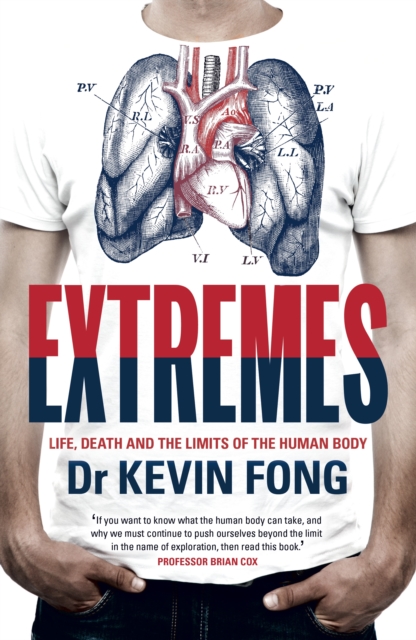
In anaesthetist Dr Kevin Fong's television programmes he has often demonstrated the impact of extremes on the human body by using his own body as a 'guinea pig'.
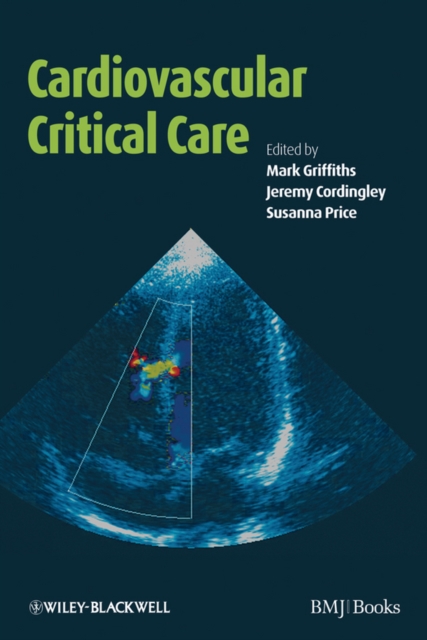
Remarkable improvements in cardiac survival rates have made cardiovascular critical care much more common, but no less challenging for the practitioner.
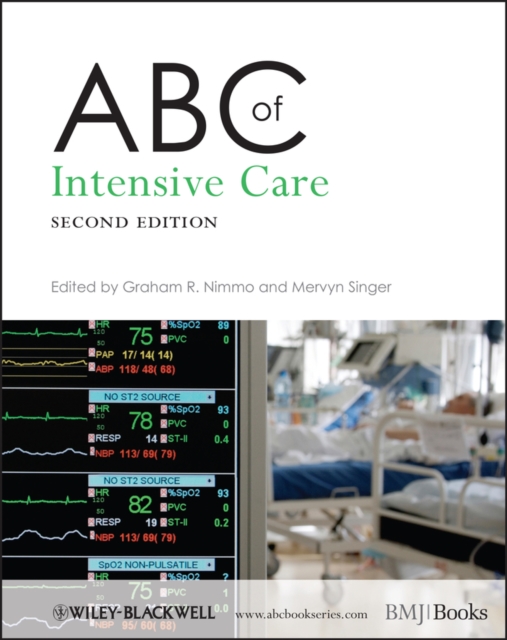
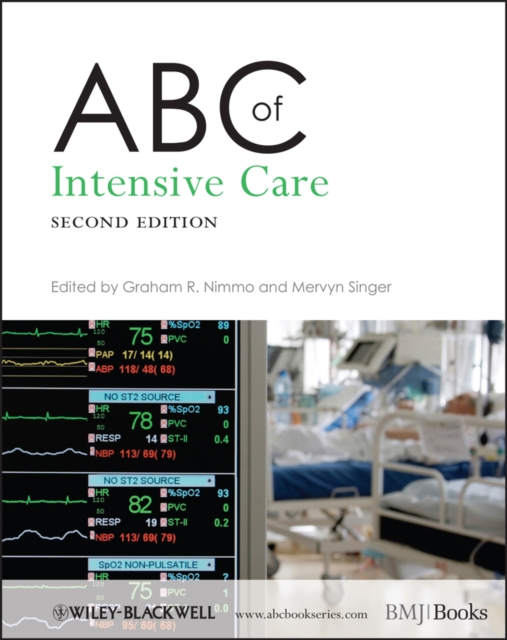
This new and updated edition is a practical guide to intensive care for the non-specialist, providing the core knowledge and principles of intensive care patient management.
This new and updated edition is a practical guide to intensive care for the non-specialist, providing the core knowledge and principles of intensive care patient management.
Remarkable improvements in cardiac survival rates have made cardiovascular critical care much more common, but no less challenging for the practitioner.
Concise yet comprehensive, this textbook of clinical pulmonology provides pulmonologists and respiratory disease physicians with all the key information that they need to know to manage the patient through the diagnosis and treatment journeys.
As more critically ill patients are cared for on acute general wards rather than in ICUs, many nurses are having to cope with the particular problems of very sick patients without the specialist knowledge of an ICU trained nurse.
The Viva Voce is a particularly difficult element of the MRCS exam since candidates will be tested across a broad range of topics in surgery, pathology, critical care and basic science, and also as candidates are unsure what to expect, or how to prepare for such an exam.
El paciente neurológico grave requiere para su manejo integral de un monitoreo estrecho y a profundidad que tiene como objetivo poder detectar de manera temprana y oportuna cualquier alteración fisiopatológica que comprometa aún más la función, la integridad y la estabilidad de un sistema nervioso central ya de por sí lesionado.
Based on a program of study developed at the Children's Hospital Boston, Department of Anesthesiology, Perioperative and Pain Medicine, Pediatric Anesthesiology Review: Clinical Cases for Self-Assessment provides essential medical information for the subspecialty of pediatric anesthesiology.
Principles and Practice of Anesthesia for Thoracic Surgery will serve as an updated comprehensive review covering not only the recent advances, but also topics that haven't been covered in previously published texts: extracorporeal ventilatory support, new advances in chest imaging modalities, lung isolation with a difficult airway, pulmonary thrombo-endarterectomy, and chronic post-thoracotomy pain.
Completely revised and updated, Nutrition Support for the Critically Ill Patient: A Guide to Practice, Second Edition presents an unbiased, evidence-based examination of critical nutrition across the life cycle.
The only available resource to provide cutting-edge, in-depth coverage of the links between obesity and anesthesia in surgery, the reader-friendly Handbook of Perioperative Anesthesia: Complications and Challenges of the Obese Patient guides the practicing anesthesiologist through each stage of surgery for the obese patient.
This reference surveys current best practices in the prevention and management of ventilator-induced lung injury (VILI) and spans the many pathways and mechanisms of VILI including cell injury and repair, the modulation of alveolar-capillary barrier properties, and lung and systemic inflammatory consequences of injurous mechanical ventilation.
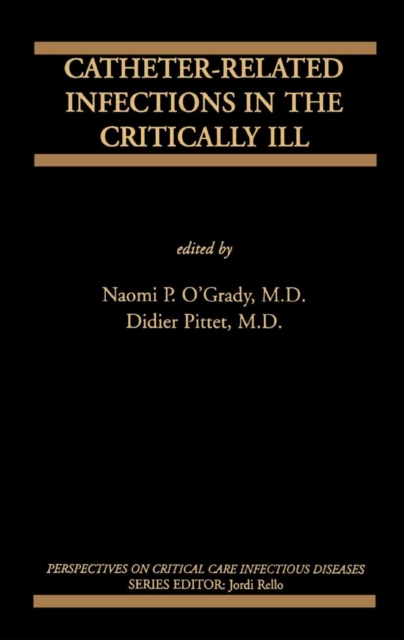
Catheter-Related Infections in the Critically Ill provides an overview from an international perspective on intravascular catheters and the risk of infection.
This book includes reports which were presented at a NATO Advanced Research Workshop (ARW) entitled "e;Medical Treatment of Intoxications and Decontamination of Chemical Agent in the Area of Terrorist Attack"e;.
This new addition to the popular 100 cases series explores common clinical scenarios that will be encountered by the medical student and junior doctor during practical training in the emergency department, in the community and in intensive and critical care settings, and which are likely to feature in qualifying examinations.
This new addition to the popular 100 cases series explores common clinical scenarios that will be encountered by the medical student and junior doctor during practical training in the emergency department, in the community and in intensive and critical care settings, and which are likely to feature in qualifying examinations.
This practical and evidence-based workbook offers a series of assessment, implementation and evaluation activities for professionals working in critical care contexts.
This practical and evidence-based workbook offers a series of assessment, implementation and evaluation activities for professionals working in critical care contexts.
Over the last ten years, pregnancy has not only become more complicated for many women, but the traditional provision of general intensive care units has been reduced.
Over the last ten years, pregnancy has not only become more complicated for many women, but the traditional provision of general intensive care units has been reduced.