The Psychology of Criminal Conduct, Seventh Edition, provides a psychological and evidence-informed perspective of criminal behavior that sets it apart from many criminological and mental health explanations of criminal behavior.
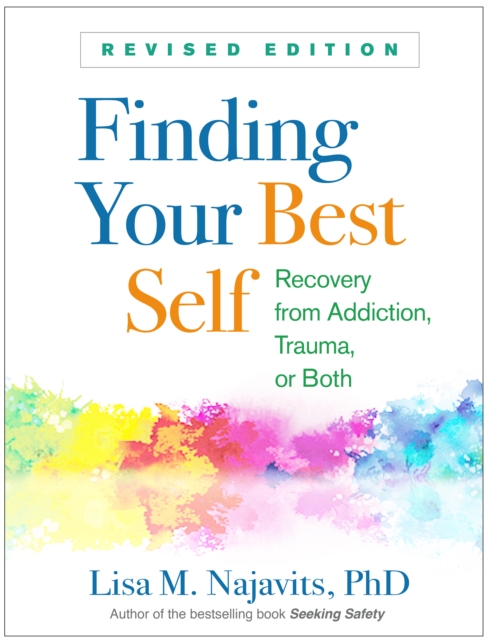
From pioneering clinician-researchers, this book provides crucial guidance for treating co-occurring concerns that virtually all therapists are likely to encounter--and many feel ill equipped to handle.
Rich in clinical examples, this book offers a fresh perspective on the roles of shame and guilt in psychological distress and presents a step-by-step framework for treatment.
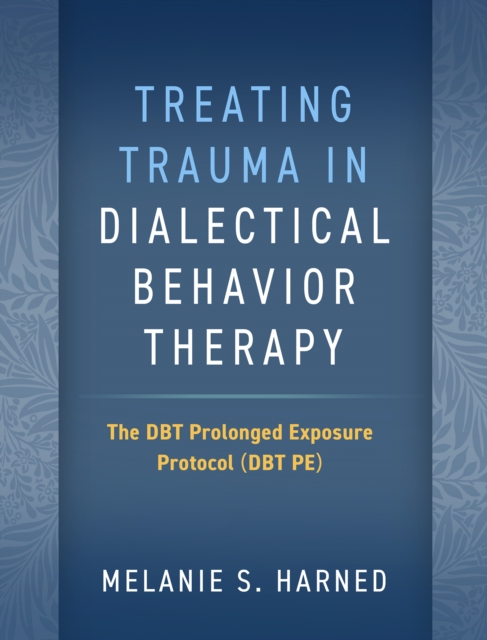
Many DBT clients suffer from posttraumatic stress disorder (PTSD), but until now the field has lacked a formal, tested protocol for exactly when and how to treat trauma within DBT.
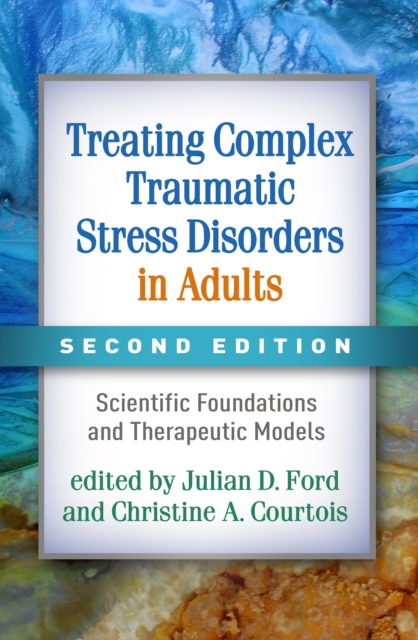
This authoritative reference on complex traumatic stress disorders (CTSDs) and their assessment and treatment has now been significantly revised with more than 75% new material reflecting a decade of advances in the field.
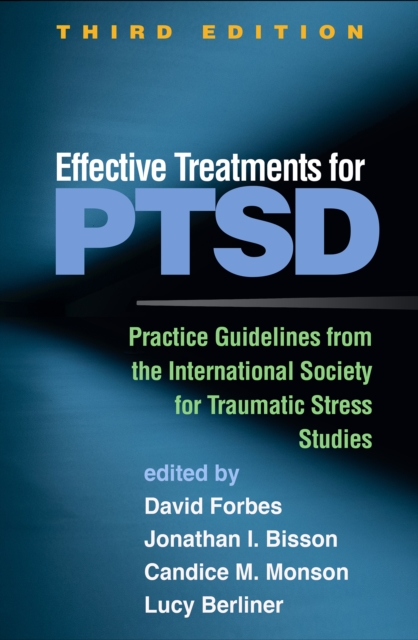
Grounded in the updated Posttraumatic Stress Disorder Prevention and Treatment Guidelines of the International Society for Traumatic Stress Studies (ISTSS), the third edition of this definitive work has more than 90% new content.
Addressing the region of the upper extremity, this practical reference features contributions from 17 specialists and supplies state-of-the-art descriptions of diverse fractures, treatment approaches and surgical options.
Written by leading American practitioners, the Oxford American Handbooks of Medicine each offer a pocket-sized overview of an entire specialty, featuring instant access to guidance on the conditions that are most likely to be encountered.
This clinical guide is the culmination of over three decades of experience in neuropsychological rehabilitation of individuals with traumatic brain injuries.
Despite the importance of the problem, strikingly little has been written about effective approaches to the treatment of individuals with mild to moderate brain injury.
Nurses must deliver up-to-date, clinically effective, evidence-based care across a range of settings and develop nursing services to meet changing demands.
Nurses must deliver up-to-date, clinically effective, evidence-based care across a range of settings and develop nursing services to meet changing demands.
Fully updated for a second edition, the Oxford Handbook of Pre-hospital Care is the invaluable guide to providing high-quality care in a pre-hospital environment.
Fully updated for a second edition, the Oxford Handbook of Pre-hospital Care is the invaluable guide to providing high-quality care in a pre-hospital environment.
Mayo Clinic Critical and Neurocritical Care Board Review is an all-inclusive review of the pathophysiology and care of the neurocritically ill and critically ill patient.
Mayo Clinic Critical and Neurocritical Care Board Review is an all-inclusive review of the pathophysiology and care of the neurocritically ill and critically ill patient.
Acute Pain Medicine is the first comprehensive, case-based text of its kind that explores the essential topics of acute pain medicine, including interventional, pharmacologic, and diagnostic considerations.
Acute Pain Medicine is the first comprehensive, case-based text of its kind that explores the essential topics of acute pain medicine, including interventional, pharmacologic, and diagnostic considerations.
The topic of trauma has been covered in many books, and there are many publications covering the use of SFBT in different settings and with varied client populations.
The topic of trauma has been covered in many books, and there are many publications covering the use of SFBT in different settings and with varied client populations.
Rapid Response System: A Practical Guide provides a practical approach to the evaluation, differential diagnosis, and management of common medical and surgical emergencies such as cardiac arrest, acute respiratory failure, seizures, and hemorrhagic shock occurring in hospitalized patients.
Rapid Response System: A Practical Guide provides a practical approach to the evaluation, differential diagnosis, and management of common medical and surgical emergencies such as cardiac arrest, acute respiratory failure, seizures, and hemorrhagic shock occurring in hospitalized patients.
Despite the importance of the problem, strikingly little has been written about effective approaches to the treatment of individuals with mild to moderate brain injury.
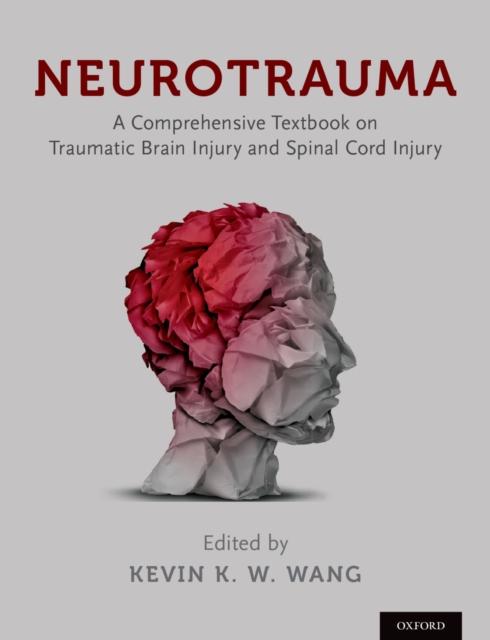
Neurotrauma: A Comprehensive Textbook on Traumatic Brain Injury and Spinal Cord Injury aims to bring together the latest clinical practice and research in the filed of two forms of trauma to the central nervous system: namely traumatic brain injury (TBI) and spinal cord injury (SCI).