The definitive Handbook of Trauma-Transformative Practice brings together the work of leading international trauma experts to provide a detailed overview of trauma-informed practice and intervention: its history, the latest frameworks for practice and an inspiring vision for future trauma-transformative practice.
The definitive Handbook of Trauma-Transformative Practice brings together the work of leading international trauma experts to provide a detailed overview of trauma-informed practice and intervention: its history, the latest frameworks for practice and an inspiring vision for future trauma-transformative practice.
This book describes in detail the effects and ongoing impacts of trauma on the body and mind and provides the 'missing piece' in the treatment of these stubborn conditions that every practitioner confronts.
Seminar paper from the year 2017 in the subject English Language and Literature Studies - Literature, grade: 2,3, University of Wurzburg, language: English, abstract: We all know about the terrorist attacks on the 11th of September 2001.
Dangerous Animals & Outdoor Hazards in Africa is a comprehensive guide to managing human-wildlife conflict and avoiding dangerous situations in remote areas.
Ordinary and Presumptive Trauma offers a sociopolitical account of trauma grounded in the lived experiences of oppressed and socially disadvantaged peoples.
Ordinary and Presumptive Trauma offers a sociopolitical account of trauma grounded in the lived experiences of oppressed and socially disadvantaged peoples.
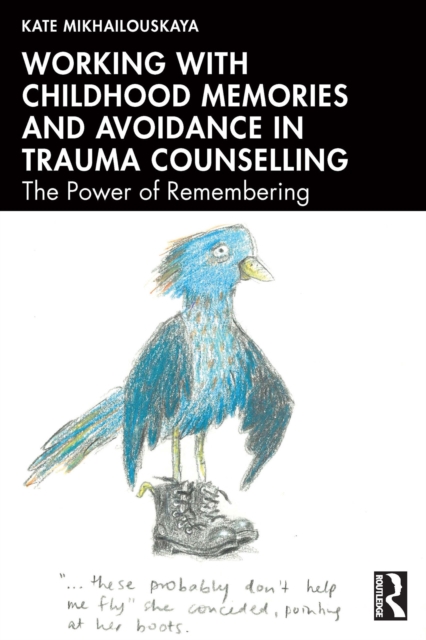
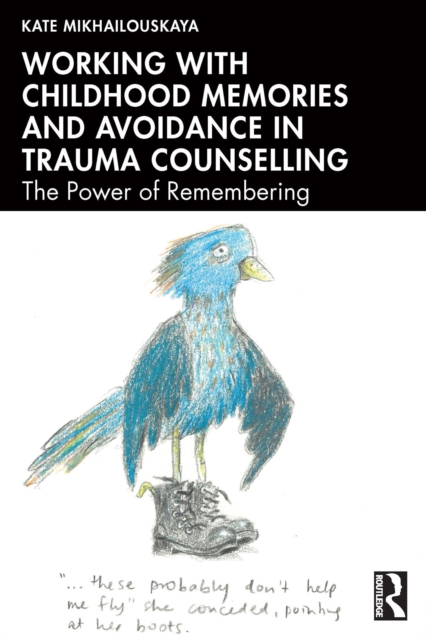
Advocating for the active exploration of childhood memories and the natural avoidance that accompanies them, this book provides a clear entryway into complex and childhood trauma work, particularly in cases where tangled histories and overwhelming symptoms make it challenging for both counsellor and client to prioritize focus areas.
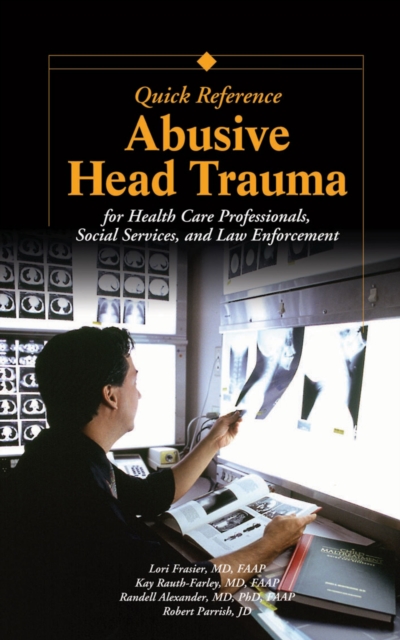
355 pages, 139 images, 32 contributors Abusive Head Trauma Quick Reference is an ideal resource for any professional active in the fields of medicine, social services, education, law enforcement, or legal prosecution.
Delivering Emergency Medicine involves constant challenges to the emergency clinician, seen inthe frequency of severely unwell patients, the wide breadth of conditions encountered, and the urgency required in diagnosis and treatment.
Delivering Emergency Medicine involves constant challenges to the emergency clinician, seen inthe frequency of severely unwell patients, the wide breadth of conditions encountered, and the urgency required in diagnosis and treatment.
Written for residents and practicing community emergency physicians, this volume on critical care emergencies in the What Do I Do Now: Emergency Medicine series uses a case-based approach to cover both common and unique scenarios in critical care emergencies.
Written for residents and practicing community emergency physicians, this volume on critical care emergencies in the What Do I Do Now: Emergency Medicine series uses a case-based approach to cover both common and unique scenarios in critical care emergencies.
355 pages, 139 images, 32 contributors Abusive Head Trauma Quick Reference is an ideal resource for any professional active in the fields of medicine, social services, education, law enforcement, or legal prosecution.
Dangerous Animals & Outdoor Hazards in Africa is a comprehensive guide to managing human-wildlife conflict and avoiding dangerous situations in remote areas.
Advocating for the active exploration of childhood memories and the natural avoidance that accompanies them, this book provides a clear entryway into complex and childhood trauma work, particularly in cases where tangled histories and overwhelming symptoms make it challenging for both counsellor and client to prioritize focus areas.
Up-to-date and practically-focused, the revised 2nd edition of the Oxford Handbook of Trauma and Orthopaedics has received a major refresh, including new topics, illustrations, and references.
Up-to-date and practically-focused, the revised 2nd edition of the Oxford Handbook of Trauma and Orthopaedics has received a major refresh, including new topics, illustrations, and references.
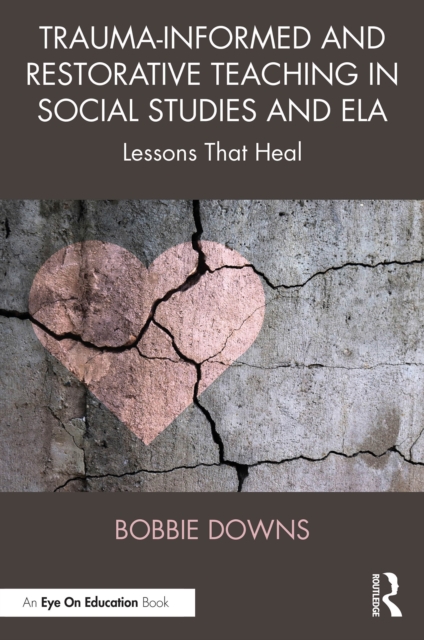
This is a guide for teachers on utilizing trauma-informed strategies and restorative practices to transform the social studies classroom into a space of healing, connection, and critical engagement.
Beyond Resilience in the Arts, Humanities and Social Sciences: Research on Critical Terms examines the stakes of public discourse on how people respond to crisis.
Beyond Resilience in the Arts, Humanities and Social Sciences: Research on Critical Terms examines the stakes of public discourse on how people respond to crisis.
This is a guide for teachers on utilizing trauma-informed strategies and restorative practices to transform the social studies classroom into a space of healing, connection, and critical engagement.
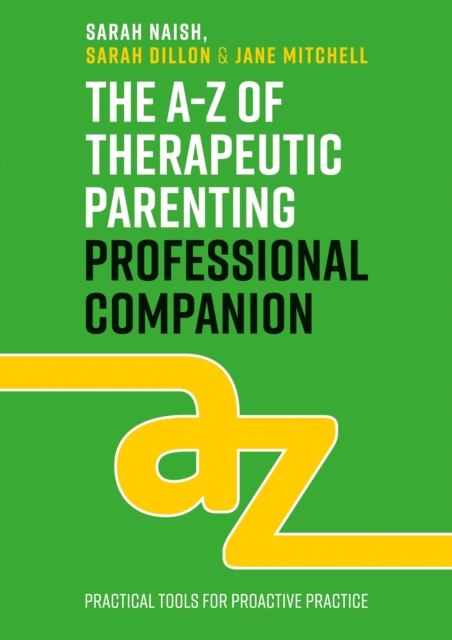
Designed as a professional complement to Sarah Naish's bestselling A-Z of Therapeutic Parenting, this tried and tested resource offers practical tools for all professionals supporting therapeutic families.
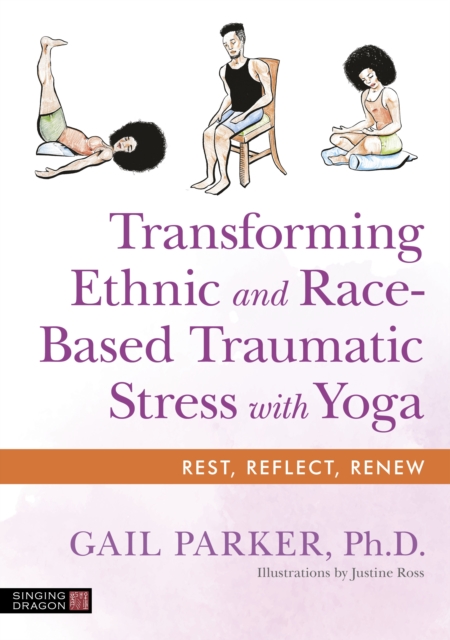
Building on the foundations of Restorative Yoga for Ethnic and Race-Based Stress and Trauma by Gail Parker, this workbook offers a range of self-care practices that strengthen the psychological immune system, increase resilience, and support post-traumatic growth.
Designed as a professional complement to Sarah Naish's bestselling A-Z of Therapeutic Parenting, this tried and tested resource offers practical tools for all professionals supporting therapeutic families.
Building on the foundations of Restorative Yoga for Ethnic and Race-Based Stress and Trauma by Gail Parker, this workbook offers a range of self-care practices that strengthen the psychological immune system, increase resilience, and support post-traumatic growth.
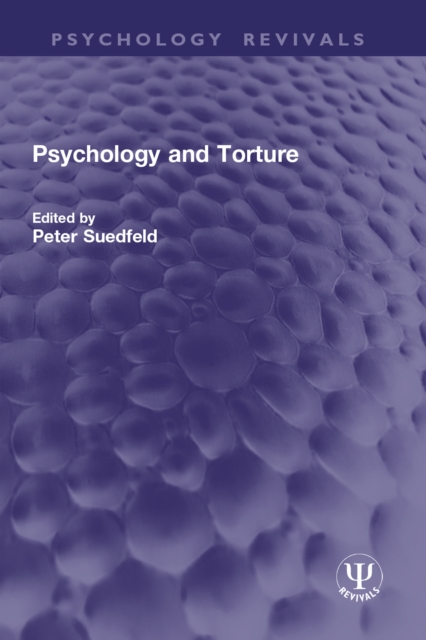
Originally published in 1990, this unique book Psychology and Torture examines the role of psychologists and psychology in the modern practice of torture.
Creativity and Psychoanalytic Psychotherapy at Times of War, Exile, and Trauma draws upon decades of clinical experience to illuminate the unique challenges and profound insights that emerge when practicing psychoanalytic psychotherapy within a multifaceted social terrain.
Creativity and Psychoanalytic Psychotherapy at Times of War, Exile, and Trauma draws upon decades of clinical experience to illuminate the unique challenges and profound insights that emerge when practicing psychoanalytic psychotherapy within a multifaceted social terrain.
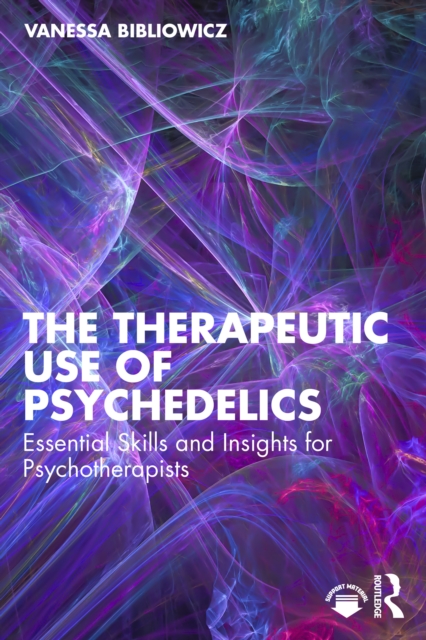
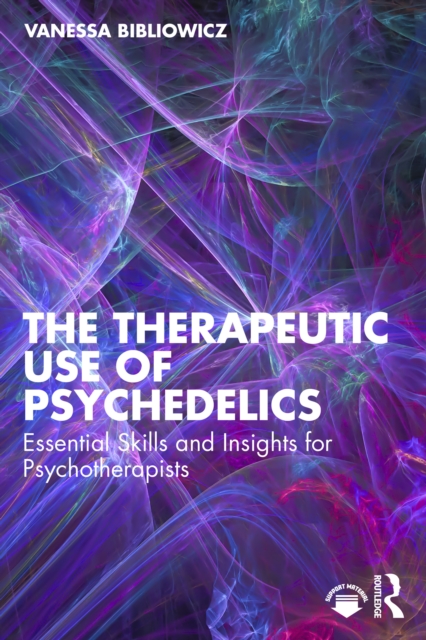
The Therapeutic Use of Psychedelics is a comprehensive manual for mental health professionals that details the vital aspects of psychedelic integration therapy.
Originally published in 1990, this unique book Psychology and Torture examines the role of psychologists and psychology in the modern practice of torture.
The Therapeutic Use of Psychedelics is a comprehensive manual for mental health professionals that details the vital aspects of psychedelic integration therapy.
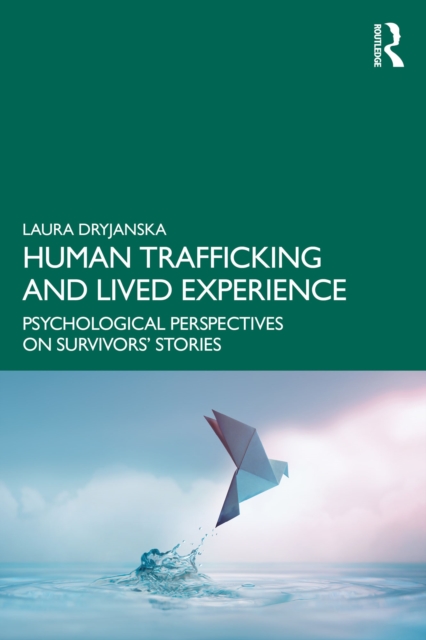
Human Trafficking and Lived Experience draws from extensive interviews with survivors of human trafficking, offering best practices for meaning-making through storytelling.
Human Trafficking and Lived Experience draws from extensive interviews with survivors of human trafficking, offering best practices for meaning-making through storytelling.
Trauma- Informed Forensic Interventions explores the innovative wave of trauma- informed practices in forensic settings, addressing the unique challenges of implementation in environments that are often ill- suited to such approaches.