The fully revised, third edition of this bestselling Handbook describes best practice of critical care in a succinct, concise and clinically-orientated way.
The Oxford Specialist Handbooks series provides readers with clear, concise information on all that is needed to successfully train in the medical sub-specialties.
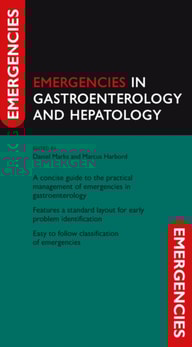
An easily accessible guide to diagnosing and managing critical situations, Emergencies in Gastroenterology and Hepatology aids doctors in dealing with acutely sick patients quickly and effectively.
The Oxford Manual of Major Incident Management brings together and integrates the key facts for all those involved in major incident planning and response.
Head, Neck, and Dental Emergencies, Second Edition provides the reader with a practical approach to the diagnosis and management of all urgent or emergent problems that occur above the collar bones.
Medical Ventilator System Basics: A clinical guide is a user-friendly guide to the basic principles and the technical aspects of mechanical ventilation and modern complex ventilator systems.
Medical Ventilator System Basics: A clinical guide is a user-friendly guide to the basic principles and the technical aspects of mechanical ventilation and modern complex ventilator systems.
Head, Neck, and Dental Emergencies, Second Edition provides the reader with a practical approach to the diagnosis and management of all urgent or emergent problems that occur above the collar bones.
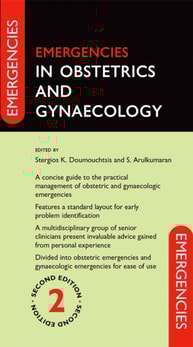
The second edition of Emergencies in Obstetrics and Gynaecology provides a practical and accessible guide to all emergency situations encountered in obstetrics and gynaecology, from the immediately life-threatening to the smaller but urgent problems that may arise.
The second edition of Emergencies in Obstetrics and Gynaecology provides a practical and accessible guide to all emergency situations encountered in obstetrics and gynaecology, from the immediately life-threatening to the smaller but urgent problems that may arise.
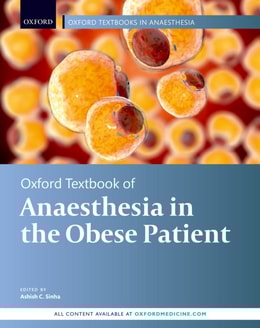
Obesity is a global public health issue; significant numbers of the world's population are overweight, growing numbers are obese, and many are morbidly obese.
Prepare with confidence for the FFICM and EDIC with this dedicated guide featuring 300 original multiple choice (MCQ) and single best answer questions (SBAs) covering the whole FICM curricula.
Providing the inside track on how the experts approach and deal with real-world clinical scenarios, Challenging Concepts in Emergency Medicine selects specific challenging cases that are encountered in everyday clinical practice but do not have simple answers.
Providing the inside track on how the experts approach and deal with real-world clinical scenarios, Challenging Concepts in Emergency Medicine selects specific challenging cases that are encountered in everyday clinical practice but do not have simple answers.
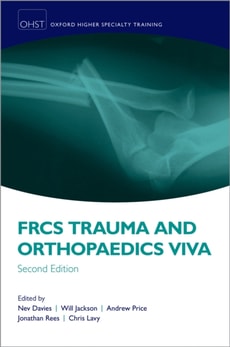
The FRCS (Tr+Orth) exam is a serious challenge for Orthopaedic Specialist Registrars and represents one of the final hurdles on the path to becoming a Consultant Orthopaedic Surgeon.
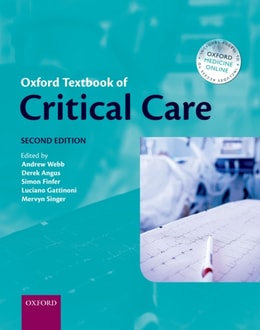
Now in paperback, the second edition of the Oxford Textbook of Critical Care is a comprehensive multi-disciplinary text covering all aspects of adult intensive care management.
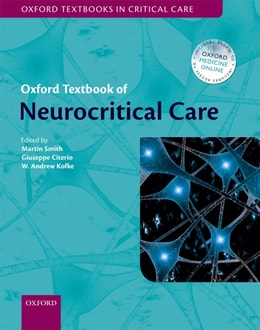
The critical care management of patients with life-threatening neurological conditions requires the ability to treat neurological injuries, manage medical complications and perform invasive procedures whilst balancing the management of the brain and the body.
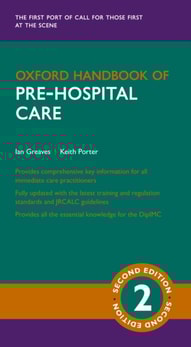
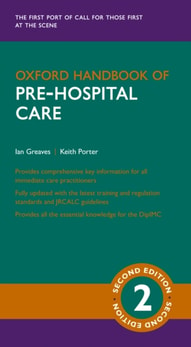
Fully updated for a second edition, the Oxford Handbook of Pre-hospital Care is the invaluable guide to providing high-quality care in a pre-hospital environment.
Fully updated for a second edition, the Oxford Handbook of Pre-hospital Care is the invaluable guide to providing high-quality care in a pre-hospital environment.
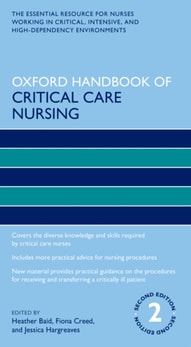
Focused on the practical issues of nursing care and nursing procedures, the Oxford Handbook of Critical Care Nursing has been written by nurses, for nursesReflecting current best practice, this handbook is an easily accessible and evidence-based guide for all levels of nursing staff working in critical care environments.
The Oxford Manual of Major Incident Management brings together and integrates the key facts for all those involved in major incident planning and response.
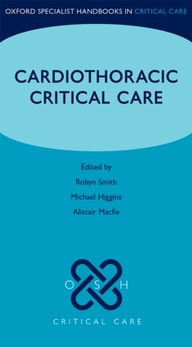
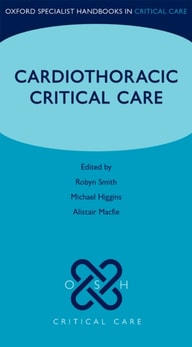
An indispensible pocket reference for critical care trainees, consultants and intensive care nurses, this new Oxford Specialist Handbook provides an evidence-based approach to all aspects of patient care in cardiothoracic intensive care.
An easily accessible guide to diagnosing and managing critical situations, Emergencies in Gastroenterology and Hepatology aids doctors in dealing with acutely sick patients quickly and effectively.
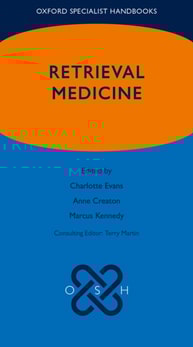
Retrieval Medicine is a core, concise and practical text covering the complex clinical and logistical problems experienced in the retrieval environment.
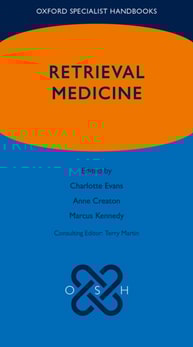
Retrieval Medicine is a core, concise and practical text covering the complex clinical and logistical problems experienced in the retrieval environment.
An indispensible pocket reference for critical care trainees, consultants and intensive care nurses, this new Oxford Specialist Handbook provides an evidence-based approach to all aspects of patient care in cardiothoracic intensive care.
Many healthcare practitioners understand the role microbiology has within the management of their patients, particularly when this involves wound care and the healing process.
Many healthcare practitioners understand the role microbiology has within the management of their patients, particularly when this involves wound care and the healing process.
Overdose and poisoning are one of the most frequent acute medical presentations seen in emergency departments, and high dependency and intensive care facilities.
Overdose and poisoning are one of the most frequent acute medical presentations seen in emergency departments, and high dependency and intensive care facilities.
The fully revised, third edition of this bestselling Handbook describes best practice of critical care in a succinct, concise and clinically-orientated way.
As the global population lives to an increasing older age, there is a need to research, develop and deliver appropriate anaesthesia and pain management care to these increasingly frail and vulnerable patients.