For the half million people who undergo back surgery each year, and the additional million who are seriously contemplating it, Do You Really Need Back Surgery?
For the half million people who undergo back surgery each year, and the additional million who are seriously contemplating it, Do You Really Need Back Surgery?
Prescription Drug Diversion and Pain provides an interdisciplinary overview of medications used to treat chronic pain, specifically the benefits and risks that are posed by long-term opioids use.
Prescription Drug Diversion and Pain provides an interdisciplinary overview of medications used to treat chronic pain, specifically the benefits and risks that are posed by long-term opioids use.
Winner of the 2011 Arthur Shapiro Award for Best Book on Hypnosis, from the Society of Clinical and Experimental Hypnosis An explosion of interest in the applications of hypnosis for clinical problems, especially pain, has led to a wide accumulation of research on hypnosis as a viable, beneficial supplement to treatment protocols.
In the United States, over half of pregnant women receive some form of anesthesia for their deliveries; this translates into well over 2 million anesthetics per year.
Headache: Through the Centuries illuminates the history of headaches with a particular interest in how the disorder has been understood and treated since the earliest recorded accounts, dating from around 4000 BC.
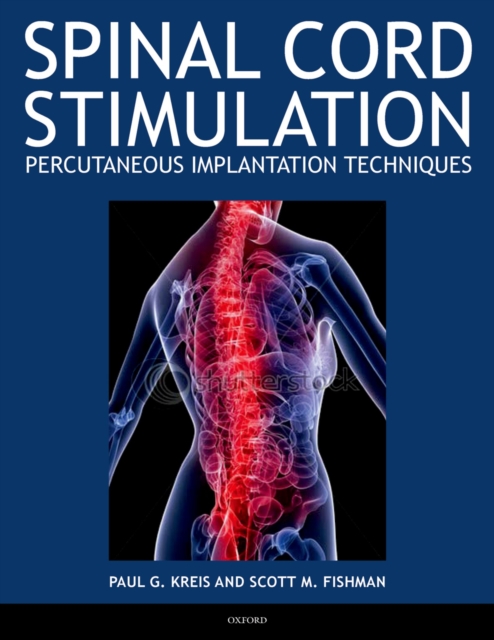
Spinal cord stimulators (SCS) are implantable medical devices used to treat chronic pain of neurologic origin, such as sciatica, intractable back pain, and diabetic.
Palliative care is rapidly evolving as a multidimensional therapeutic model devoted to improving the quality of life of all patientswith life-threatening illness.
Pelvic Pain Management is an evidence-based guide to understanding the basics of pain mechanisms, pharmacology, invasive and noninvasive treatment modalities, and pain management protocols related to the complex problem of pelvic pain.
It may come as something of a surprise that pain, the most prevalent symptom in clinical practice, is not always addressed specifically in health professions training.
Collective knowledge of the origins and pharmacology of pain are evolving rapidly, providing increased hope for better pain management and a far greater quality of life for patients worldwide.
Pain Medicine approaches the management of common chronic pain conditions using a unique interdisciplinary approach focusing on multiple facets of patients' clinical presentations.
Surgical Pain Management is an essential, step-by-step guide to surgical techniques and the perioperative management of chronic pain patients whose treatment includes implantable therapies.
Surgical Pain Management is an essential, step-by-step guide to surgical techniques and the perioperative management of chronic pain patients whose treatment includes implantable therapies.
Despite the proliferation of pain clinics and various pain-oriented therapies, there is an absence of data supporting any substantial change in the statistics regarding the incidence, development and persistence of pain.
Despite the proliferation of pain clinics and various pain-oriented therapies, there is an absence of data supporting any substantial change in the statistics regarding the incidence, development and persistence of pain.
Migraine: Manifestations, Pathophysiology, and Management, Second Edition, is a much expanded, updated monograph that focuses in detail on migraine's diverse variations, its pathophysiology, and its treatment.
On March 2, 1994, the Agency for Health Care Policy and Research (a division of the Public Health Service) made headlines by releasing new cancer pain management guidelines.
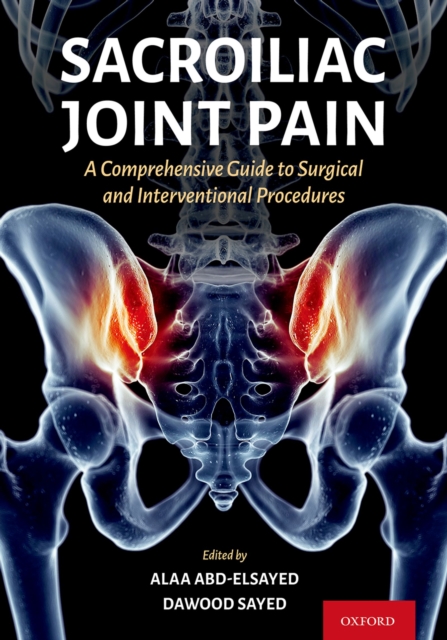
Sacroiliac joint pain is one of the most common painful conditions, as disorders of this joint are often the cause or a contributing factor to back pain.