Volume 5 of the 5-volume Quantum Nanochemistry focuses on modeling and predicting of the enzyme kinetics and quantitative structure-activity relationships.
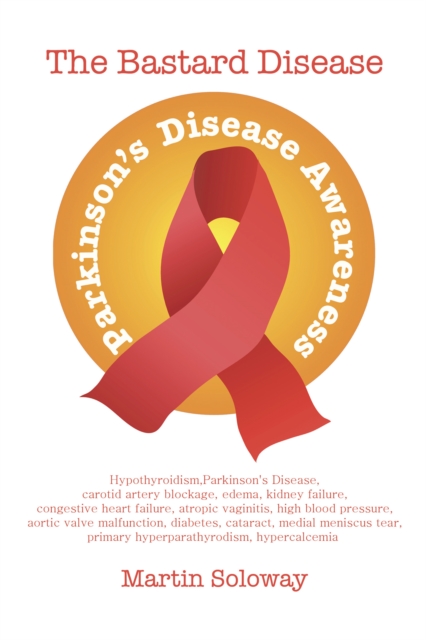
Carbidopa/Levodopa, Carbidopa/Levodopa ER, Amantadine, Stalevo, Tasmar, Pramipexole, Pergolide, Selegine, Benztriptiline, Trihexyphenidyl, Melatonin, Zemplar, Zoloft, Lipitor, Seroquel, Insulin, Glyburide, Metformin,Oxybutynin, Myrbetriq, Renvela,Macrobid, Furosemide, Lexapro, ProleaMartin Soloway graduated from the University of Connecticut in 1955 with a BS in pharmacy.
In its first edition, Principles of Clinical Medicine for Space Flight established itself as the authoritative reference on the contemporary knowledge base of space medicine and standards of care for space flyers.
This authoritative reference examines the causes of--and offers workable solutions to--the widespread problem of musculoskeletal injuries among armed forces personnel.
This progressive reference redefines qualitative research as a crucial component of evidence-based practice and assesses its current and future impact on healthcare.
This invaluable handbook provides a basic knowledge of muscle action and co-ordination with which students of occupational therapy can applying specific techniques to specific conditions of muscle insufficiency for the restoration of function.
This text provides a concise and comprehensive introduction to key immunotoxicological issues for all those interested in, but with no prior knowledge of, this area of toxicology.
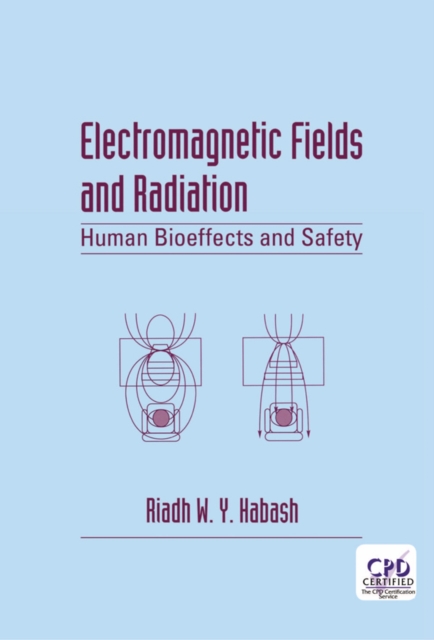
This reference explores the sources, characteristics, bioeffects, and health hazards of extremely low-frequency (ELF) fields and radio frequency radiation (RFR), analyzing current research as well as the latest epidemiological studies to assess potential risks associated with exposure and to develop effective safety guidelines.
A comprehensive review of international and national standards and guidelines, this handbook consists of 32 chapters divided into nine sections that cover standardization efforts, anthropometry and working postures, designing manual material, human-computer interaction, occupational health and safety, legal protection, military human factor standar
Hazardous agents are an ongoing concern in the modern workplace, with many examples of workers being severely affected by chemicals as a result of both acute and chronic exposure.
This book constitutes the Proceedings of the 1998 IEEE-USA Professional Activities Conference and the second annual professional activities conference.
OSHA frequently requires companies to implement the type of program promoted in Cumulative Trauma Disorders, the first and only book to address both the medical and ergonomic aspects of cumulative trauma.
Considered the definitive resource in its field, The Chemistry of Environmental Tobacco Smoke: Composition and Measurement compiles observations on the properties of Environmental Tobacco Smoke (ETS) and on the concentrations of its constituents in indoor air.
There is now widespread recognition that psychosocial factors play a key role in the aetiology, perpetuation, management and prevention of cumulative trauma disorders CTDs.
Work related musculoskeletal disorders (WRMSDs) are the leading cause of worker impairment, disability, compensation costs and loss of productivity in industrialized countries.
This book is a comprehensive review of the instrumental analytical methods and their use in environmental monitoring site assessment and remediation follow-up operations.
Management of hazardous chemicals and materials-particularly during emergency release situations-is a critical part of routine training required for workers and professionals in the chemical, petroleum and manufacturing industries.
This exceptional guidebook provides the strategies necessary to curtail ergonomic losses and costs associated with spiraling worker's compensation premiums and medical expenses, of major concern in all businesses.
Hospital staff and caregivers are regularly exposed to biomechanical overload risk, particularly at spine and shoulder level-a risk factor that will continue to rise with the progressive aging of the population.
This book covers a wealth of knowledge from experts and informed stakeholders on the best ways to understand, prevent, and control fall-related risk exposures.
Focusing on fundamental principles, Hydro-Environmental Analysis: Freshwater Environments presents in-depth information about freshwater environments and how they are influenced by regulation.
Cook explores the development of clinical tropical medicine from the 19th century onwards by following the pioneering doctors in this discipline, their personalities, achievements and scientific breakthroughs.
In the ten years since the publication of the second edition of Human Thermal Environments: The Effects of Hot, Moderate, and Cold Environments on Human Health, Comfort, and Performance, Third Edition, the world has embraced electronic communications, making international collaboration almost instantaneous and global.
The second edition of a bestseller, Soil and Water Chemistry: An Integrative Approach maintains the balanced perspective that made the first edition a hugely popular textbook.
Human Diseases from Wildlife presents information on the most prevalent and serious zoonotic diseases in the US and Canada, some of which have been national headline news like anthrax, influenza, and West Nile virus.
QSAR and SPECTRAL-SAR in Computational Ecotoxicology presents a collection of studies based on the epistemological bulk data-information-knowledge of the chemicals used in green chemistry.
Since the second edition of this text was published, many new environmental incidents have occurred, including another nuclear disaster, a mine disaster in the United States, and the Gulf of Mexico oil spill.
Clinicians undergoing competency testing, certification, and periodic recertification are frequently faced with computer-based exams designed to evaluate clinical acumen and judgment.
This book presents an innovative method to improve workers' health and prevent occupational accidents: the Change Laboratory, a method of formative intervention that enables the organization's participants to identify, with the help of facilitators, the historical and systemic origins of work processes anomalies (environmental problems, work safety and health, quality and productivity problems, problems related to labor relations, etc).
Increased public concern over the control of environmental forces and industrial hazards has led to awareness for the need for improved conditions for all who work.