This book highlights different aspects of the problem of elder abuse and neglect in India, and discusses its forms as well as means of prevention, intervention and management.
This book describes the recent advancement of basic research on the biology of aging and longevity studies in various organisms, as well as the neurobiology of aging and neurodegeneration mechanisms.
This book focuses on the nutrients and nutraceuticals that promote active and healthy ageing - recently defined by the WHO as the process of development and maintenance of functional capacity that allows well-being at an advanced stage of life.
This book describes the nature of aging, age-related disorders, and the molecular principles of emerging strategies for anti-aging interventions, while also discussing the discovery of targets for geroprotective drugs.
Aging is an almost universal process within biological systems, one which leads to a decline in functional capacity, disease onset, and eventually death.
Die Sicherstellung einer angemessenen vollstationären Betreuung von Hilfe- und Pflegebedürftigen stellt eine Herausforderung im demografischen Wandel dar.
Während in den letzten Jahren innerhalb der Palliative Care Tumorpatienten im Vordergrund standen, so rückt neuerdings die Situation älterer Menschen ins Zentrum der Aufmerksamkeit.
Die Verbesserung der Möglichkeiten einer häuslichen Betreuung Hilfe- und Pflegebedürftiger stellt eine der Herausforderungen im demographischen Wandel dar.
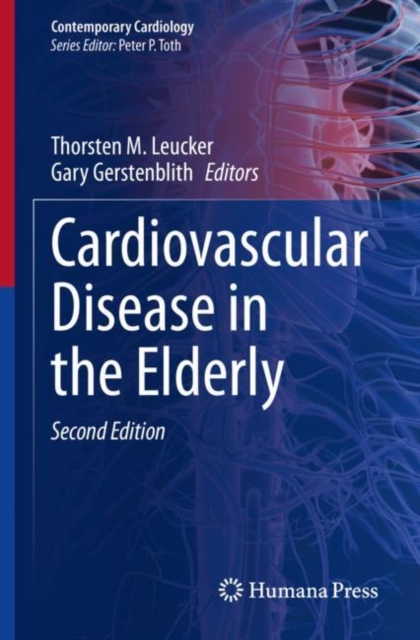
The second edition of this book updates, reviews, and discusses the latest findings on the pathophysiology, diagnosis, and management of cardiovascular disease in the older patient.
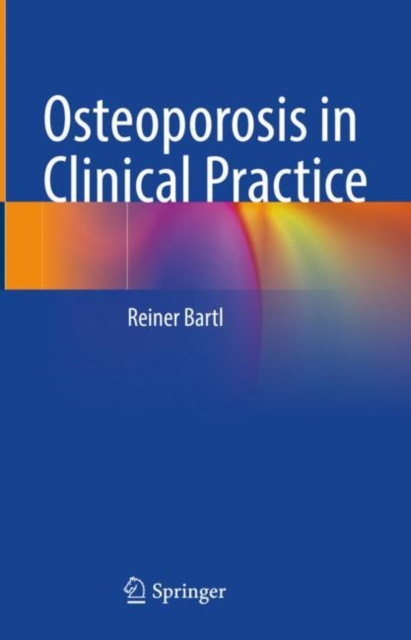
This book is a quick-reference guide to osteoporosis that equips the reader with easy-to-follow guidelines for lifelong maintenance of skeletal structure and function, with an emphasis on the diagnosis, therapy and prevention of osteoporosis.
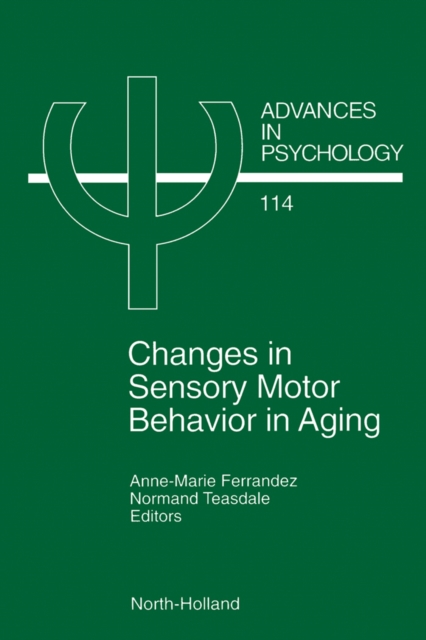
Recently, studies on aging processes and age-related changes in behavior have been expanding considerably, probably due to the dramatic changes observed in the demographics.
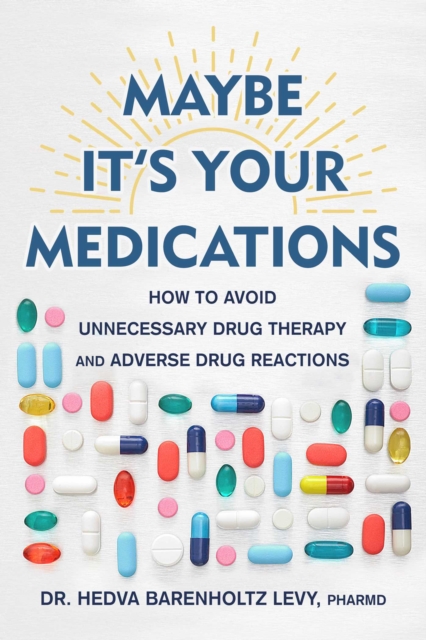
Adults ages 65+: Your medication could be the reason for your new medical condition; read this eye-opening guide to become an expert on what medications you take!
This book summarizes the broad and rapidly evolving field of geriatric pharmacotherapy, which is becoming increasingly relevant for practicing physicians who care and prescribe medications for older patients.
This book summarizes the broad and rapidly evolving field of geriatric pharmacotherapy, which is becoming increasingly relevant for practicing physicians who care and prescribe medications for older patients.
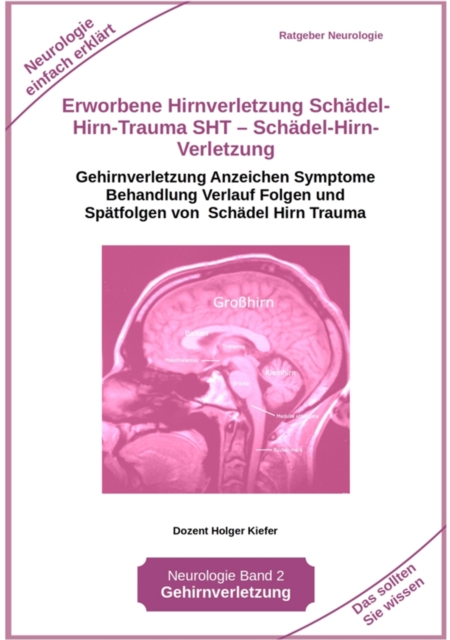
Neurologie Band 2Gehirnverletzung"Hirnverletzung Schädel-Hirn-Trauma SHT – Schädel-Hirn-Verletzung: Eine umfassende Information für Betroffene, Angehörige und medizinisches- sowie Pflegepersonal"Dieses fachlich fundierte Buch bietet in für Laien verständlicher Sprache einen ersten umfassenden Überblick für Betroffene, ihre Angehörigen und medizinisches Personal im Zusammenhang mit einer Hirnverletzung, insbesondere eines Schädel-Hirn-Traumas (SHT).
This book aims to present the age-related alterations in redox signaling networks and their diagnostic biomarkers in aging cells using multidisciplinary approach.
Clinical cases are a key component in modern medical education, assisting the trainee or recertifying clinician to work through unusual cases using best practice techniques and this title focuses on the management of exfoliative dermatitis, also known as "e;red man"e;.
Originally published in 1972, this book is an analytical account of the socio-medical tribulations suffered by Glasgow's east-end elderly leading to referral to geriatric wards.
Originally published in 1972, this book is an analytical account of the socio-medical tribulations suffered by Glasgow's east-end elderly leading to referral to geriatric wards.
Written by international experts, this book presents chapters that cover common geriatric conditions including dementia, depression, delirium, falls, polypharmacy, incontinence, immobility, and medication-related issues, as well as neurological, cardiovascular, and endocrine diseases associated with old age.
The number of Americans 65 years of age or older is projected to more than double to over 98 million by 2060, making them 24% of the overall population.
The book serves as a guide for all clinicians seeking to improve healthcare outcomes by implementing peer support in the treatment and management of medical and mental health conditions.
This book offers comprehensive information on the new and rapidly evolving science of identifying and targeting senescent cells, and on the exciting prospect of new diagnostic and therapeutic opportunities for stopping, and even reversing, the progression of disease and the deterioration of the human body due to ageing.
This book describes the fundamental process of senescence, and reviews a new concept developed by a number of research groups that is based on cellular senescence and its secretome.