Building upon the strengths of the popular reference, Cancer in the Elderly, this guide outlines novel approaches in the identification and management of cancer in geriatric populations by world-renowned experts on the topic.
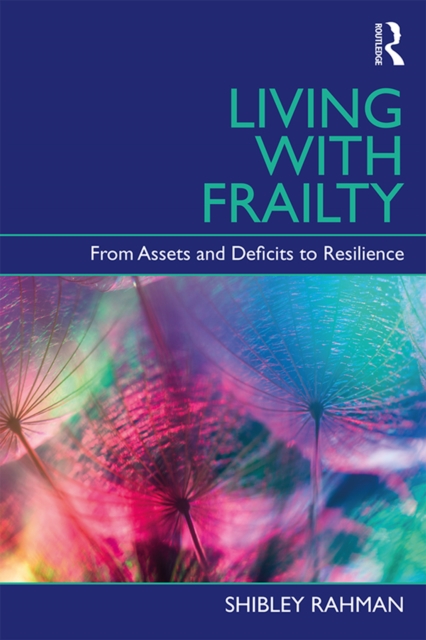
Many current public health actions and policies aimed at older people revolve around the often prevailing view that failing health is a consequence of ageing.
An authoritative book on one of the most fundamental and contentious issues for health care professionals Fully updated to include provisions of the Mental Capacity Act (April 2007); the latest policy on advance directives and the impact of the Human Rights Act on such decisions Provides guidance on the appointment of welfare attorneys to make health care decisions once capacity is lost Discusses recent cases, including Burke, baby MB, and Wyatt Written by medical ethics professionals in consultation with the appropriate medical and legal experts and in agreement with the General Medical Council's guidelines
Key research in the world's largest aging population - in China - has fed into this important new work, which aims to answer questions critical to older people worldwide.
This book started its life during a symposium we organised on Quality of Life in Old Age at the Fifth Conference of the International Society for Quality of Life Studies (ISQOLS) in Frankfurt in July 2003.
Biogerontologists are now in a position to construct general principles of aging, and genuine attempts are being made to test and develop effective means of intervention, prevention and treatment of age-related diseases, and for achieving healthy old age.
A fundamental issue facing the global community is meeting the challenges of population aging and achieving healthy aging to maintain an active older population and reduce the number of disabled people.
Cognitive Stimulation Therapy (CST) has made a huge global, clinical impact since its inception, and this landmark book is the first to draw all the published research together in one place.
Cognitive Stimulation Therapy (CST) has made a huge global, clinical impact since its inception, and this landmark book is the first to draw all the published research together in one place.
Increasingly, scholars from many disciplines have begun to incorporate various modalities from the humanities and arts - novels, films, artwork, and other forms of expression - to help connect students with the experience of aging in deeply meaningful and person-centered ways.
Increasingly, scholars from many disciplines have begun to incorporate various modalities from the humanities and arts - novels, films, artwork, and other forms of expression - to help connect students with the experience of aging in deeply meaningful and person-centered ways.
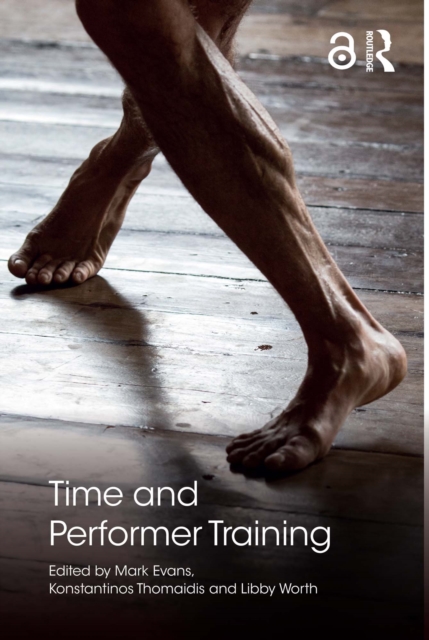
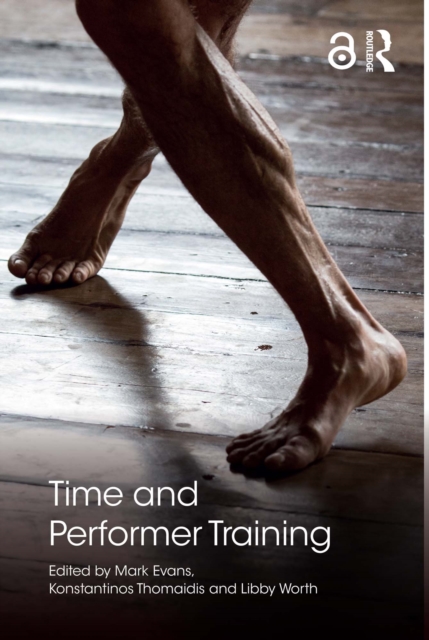
Time and Performer Training addresses the importance and centrality of time and temporality to the practices, processes and conceptual thinking of performer training.
Time and Performer Training addresses the importance and centrality of time and temporality to the practices, processes and conceptual thinking of performer training.
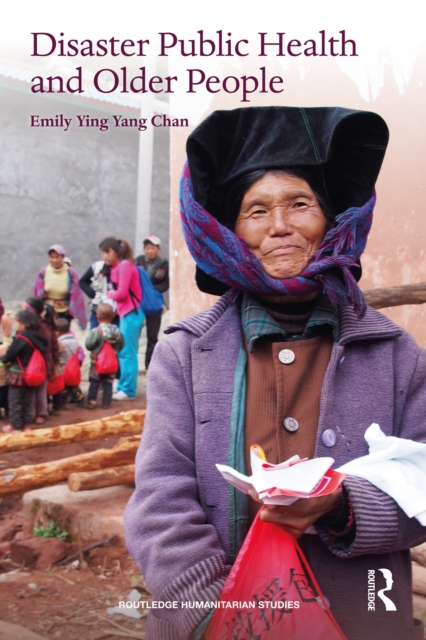
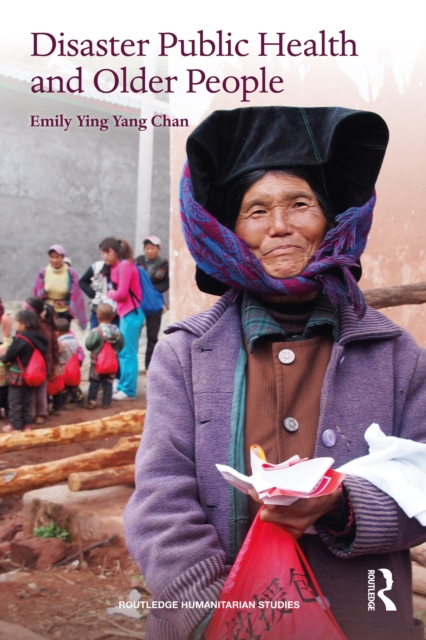
Disaster Public Health and Older People introduces professionals, students and fieldworkers to the science and art of promoting health and well-being among older people in the context of humanitarian emergencies, with a particular focus on low- and middle-income country settings.
Disaster Public Health and Older People introduces professionals, students and fieldworkers to the science and art of promoting health and well-being among older people in the context of humanitarian emergencies, with a particular focus on low- and middle-income country settings.