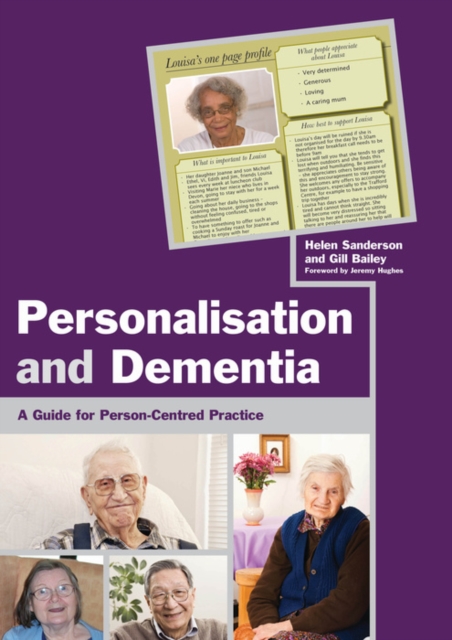
Personalisation builds on person-centred care to focus on how people with dementia can have more choice and control over decisions affecting them, and be supported to be part of their communities.
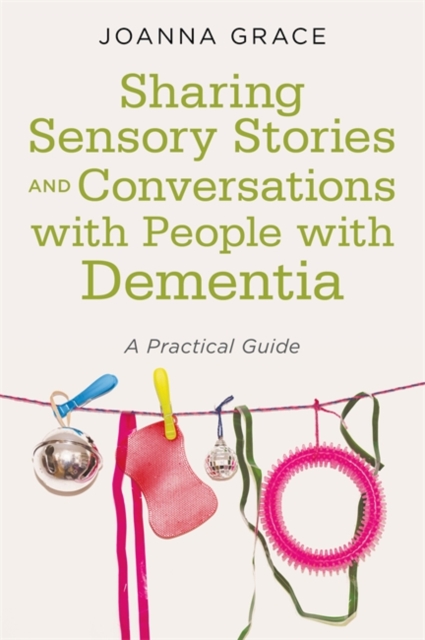
Providing people with dementia with opportunities to engage in creative activity can play a crucial role in maintaining and enhancing communication, and in reinforcing personhood and identity.
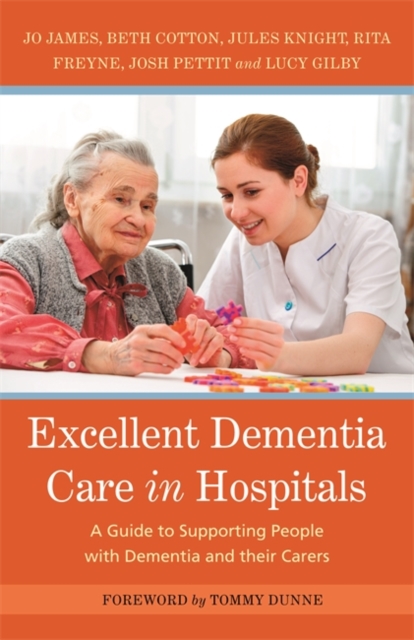
Highly Commended in Medicine in the 2018 BMA Medical Book AwardsPeople with dementia increasingly find themselves staying in hospitals for extended periods, often due to separate health issues.
Clinical dilemmas in dementia contexts are often not because the clinical facts are in doubt, but because the ethical and legal underpinnings are uncertain - which can cause worry and confusion.
Despite being integral parts of all our identities, sexuality, sex and intimacy are what many would call the Last Taboo in dementia care, usually seen as 'problem behaviours' to be stopped and dealt with.
Proven to enhance wellbeing, posture, breathing and sleep, and reduce anxiety and agitation, this programme shows how yoga can be adapted to benefit people with dementia.
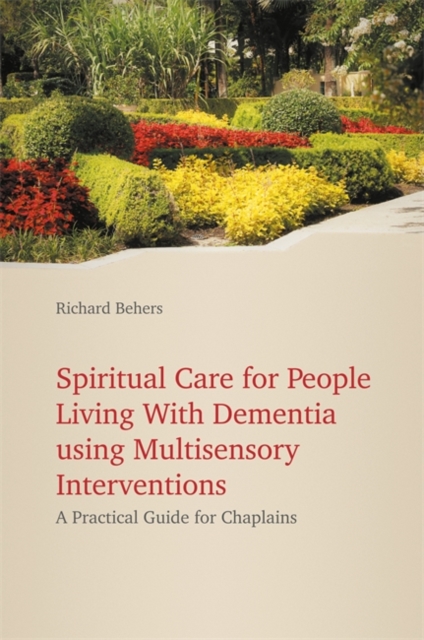
This innovative and sensitive guide to providing spiritual care to people with dementia features original methods drawn from the author's experiences of working with over 1,000 individuals with dementia.
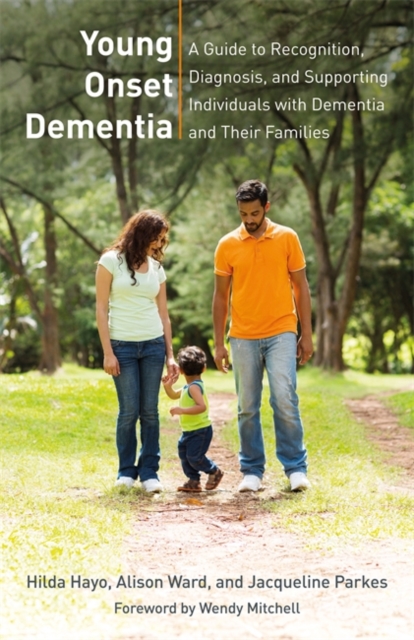
Providing key information and insight into the experiences of people living with a diagnosis of young onset dementia, this book will increase the knowledge and skills of health and social care professionals in the early recognition, diagnosis and support of young people with dementia and their families.
Written by experts in easy-to-understand language, this book offers a quick guide for anyone with a parent, grandparent, or loved one struggling with Alzheimer's disease.
Examining important issues in dementia research and care that are often neglected or marginalized, the contributors to this book provide fresh perspectives on current practice.
Clinical dilemmas in dementia contexts are often not because the clinical facts are in doubt, but because the ethical and legal underpinnings are uncertain - which can cause worry and confusion.
This innovative and sensitive guide to providing spiritual care to people with dementia features original methods drawn from the author's experiences of working with over 1,000 individuals with dementia.
Proven to enhance wellbeing, posture, breathing and sleep, and reduce anxiety and agitation, this programme shows how yoga can be adapted to benefit people with dementia.
Despite being integral parts of all our identities, sexuality, sex and intimacy are what many would call the Last Taboo in dementia care, usually seen as 'problem behaviours' to be stopped and dealt with.
Providing key information and insight into the experiences of people living with a diagnosis of young onset dementia, this book will increase the knowledge and skills of health and social care professionals in the early recognition, diagnosis and support of young people with dementia and their families.
Highly Commended in Medicine in the 2018 BMA Medical Book AwardsPeople with dementia increasingly find themselves staying in hospitals for extended periods, often due to separate health issues.
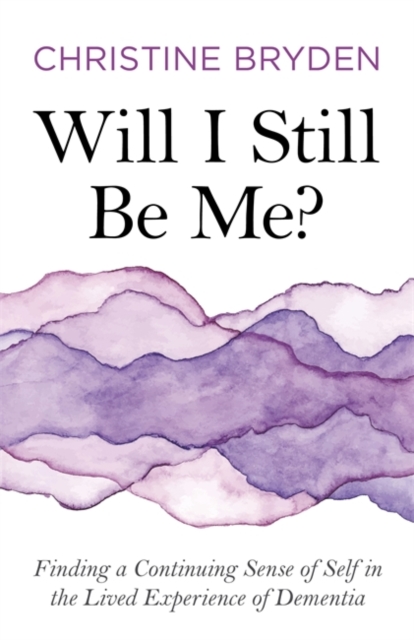
Traditionally, dementia has been defined primarily in terms of loss: loss of cognitive and communicative competencies, loss of identity, loss of personal relationships.
Written by experts in easy-to-understand language, this book offers a quick guide for anyone with a parent, grandparent, or loved one struggling with Alzheimer's disease.
Examining important issues in dementia research and care that are often neglected or marginalized, the contributors to this book provide fresh perspectives on current practice.
This book offers an accessible and sympathetic introduction for relatives, carers and professionals looking after or training to work with people with dementia.
***INSTANT SUNDAY TIMES BESTSELLER***From the New York Times bestselling author of The End of Alzheimer s comes a revolutionary new approach to preserve brain health, for life.
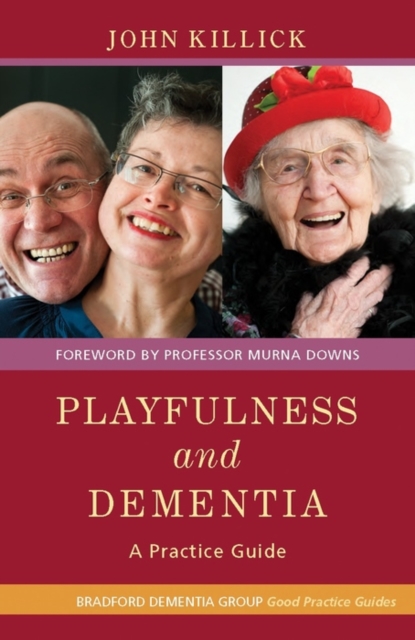
Establishing playfulness as an essential component of dementia care, this positive and uplifting book will be key in changing attitudes and providing ideas for new and valuable ways of interacting and being with individuals with the condition.