A Self-Determined Future with Asperger Syndrome presents an empowering, practical approach to helping people with Asperger Syndrome (AS) to succeed at college, at work, at home and in life.
Tony Attwood's guide will assist parents and professionals with the identification, treatment and care of both children and adults with Asperger's Syndrome.
Children with autism or Asperger Syndrome (AS) have difficulty understanding figurative language because they use and comprehend language literally and expect words to mean exactly what they say.
Kelly Harland's stories explore her son's life to the age of 14, and the new and unexpected universe she and her husband - both professional musicians - must learn to navigate with him.
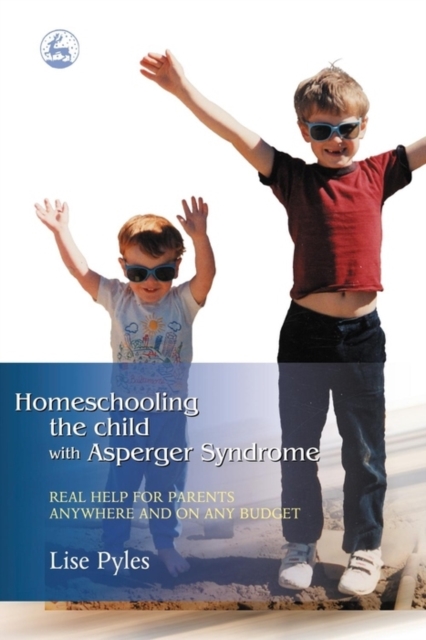
Packed with inspiring ideas and tips that can be used with any curriculum and on any budget, Homeschooling the Child with Asperger Syndrome explains how to design a varied study programme built around the child's own interests, making use of simple material as well as computers and on-line resources.
This informative and easy to read book is an essential resource for parents, teachers, those new to the field, and people on the autism spectrum themselves.
Asperger syndrome (AS) has often been considered to be incompatible with love and relationships, but as the number of people who are diagnosed with the disorder increases, it is becoming apparent that people with AS can and do have full and intimate relationships.
One of the increasing number of people diagnosed with Asperger Syndrome in adulthood, New Zealand-born Jen Birch relates her story with humour and honesty, taking us through the years of frustration and confusion that led to her diagnosis in 1999.
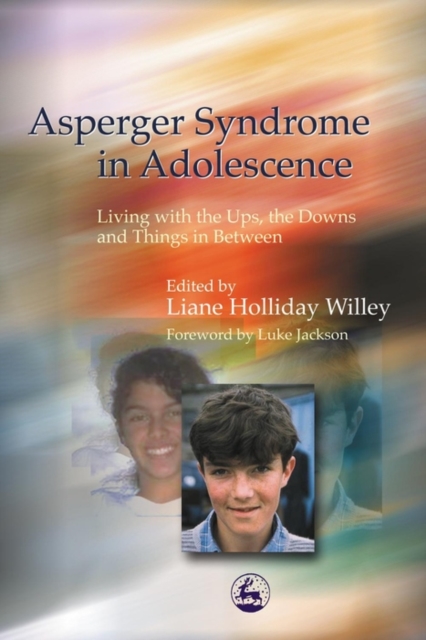
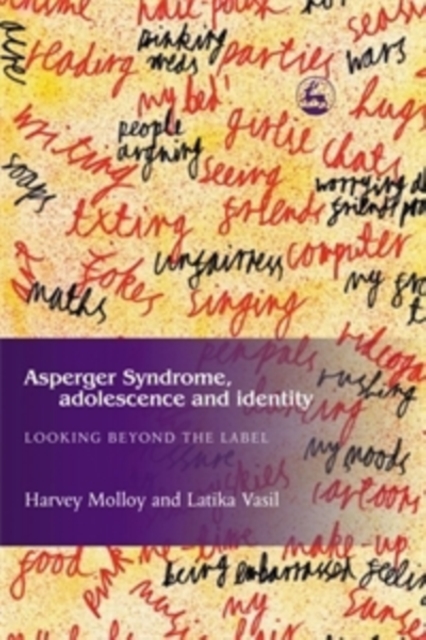
Childhood and adult experiences of individuals with Asperger Syndrome (AS) are becoming increasingly well documented, yet the crucial formative teenage years have, so far, been neglected.
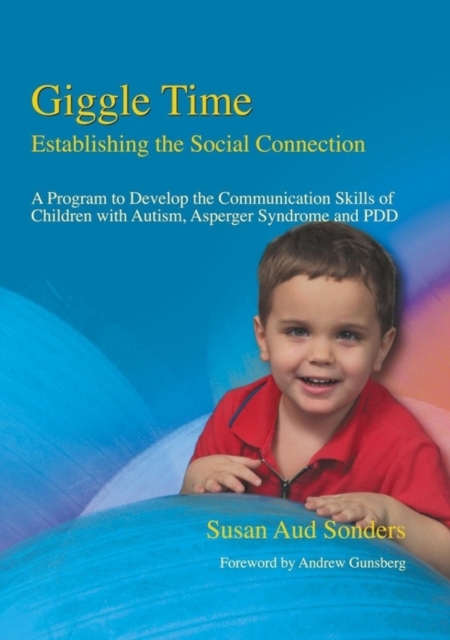
Giggle Time is a step-by-step program for parents, teachers and other professionals to help develop the non-verbal, verbal and social reciprocity skills of children with autism.
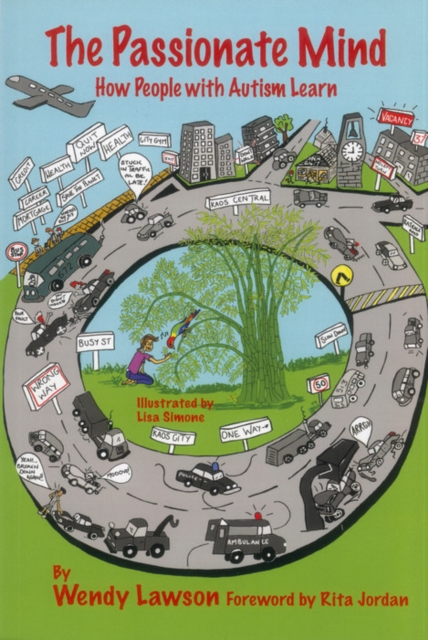
Parents, caregivers and educators are often at a loss about how best to support an individual with autism because they are overwhelmed by 'behaviours', inundated with prognoses and clinical jargon, or confused by technical information.
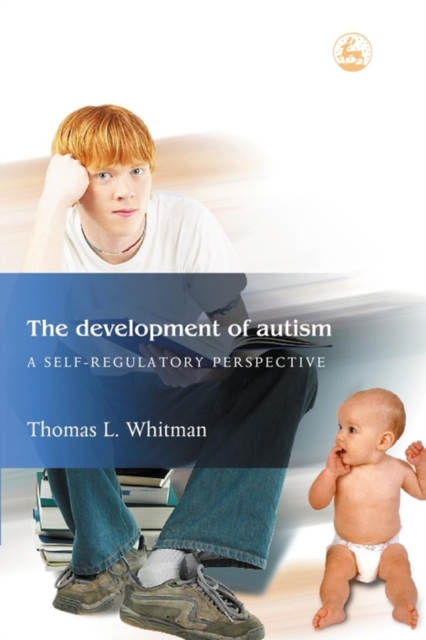
Tom Whitman proposes a new developmental theory of autism that focuses on the diversity of characteristics associated with this disorder, and how these develop over time.
Developmental Coordination Disorder (DCD) is a term used to describe children who have difficulty with movement and specific aspects of learning, and includes dyspraxia, Asperger Syndrome and associated conditions.
Understanding Sensory Dysfunction is a clear and comprehensive resource to identifying and addressing sensory dysfunction in children, using a range of practical strategies to help them reach their full potential at home, at school and in the community.
Coming Out Asperger explores the complexity of diagnosis for Asperger Syndrome, the drawbacks and benefits of disclosing a diagnosis of a 'hidden disability,' and how this impinges on self-esteem.
Michael is a young man who has succeeded in managing his autism and is experiencing success in life despite a diagnosis that might have predicted only disability and despair.
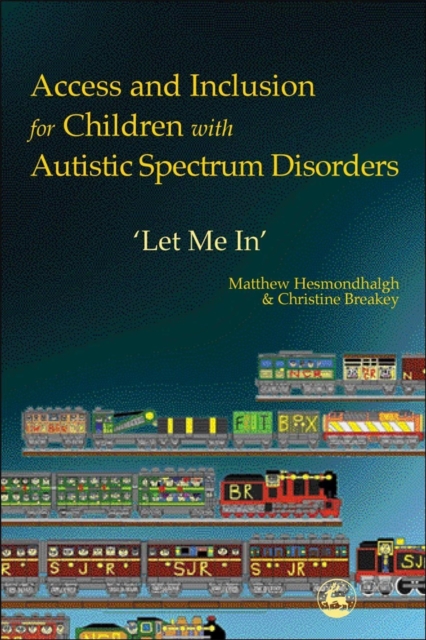
Based on pioneering work at their school in Sheffield, the authors of this book explore the universal issues of access and inclusion in employment and education for children and young people with autism or Asperger's Syndrome.
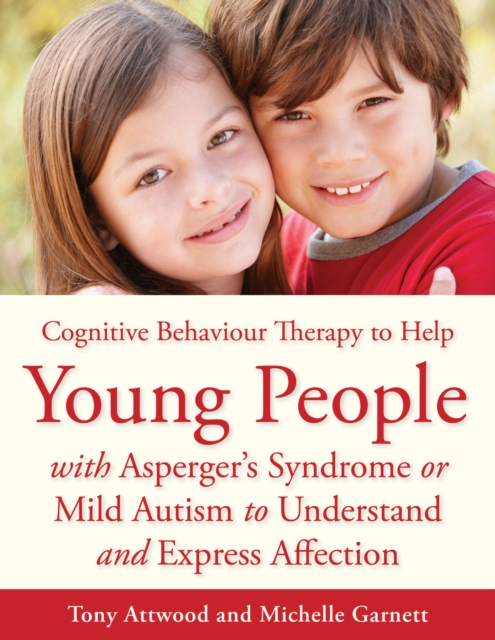
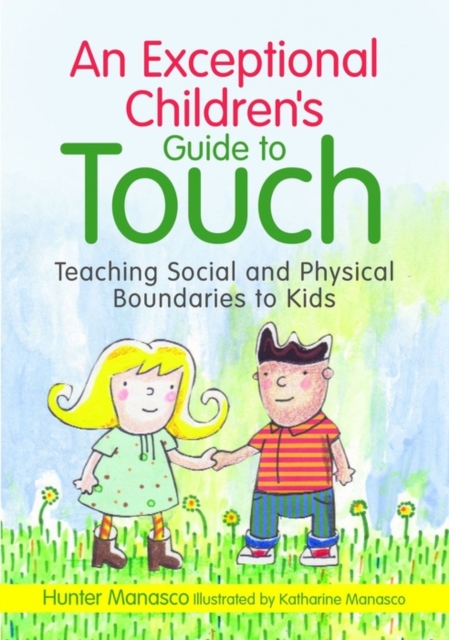
Children and adolescents with Autism Spectrum Disorders (ASD) are often not instinctive and intuitive in expressing their liking or love for someone, or in understanding that family members, friends and others need affection.
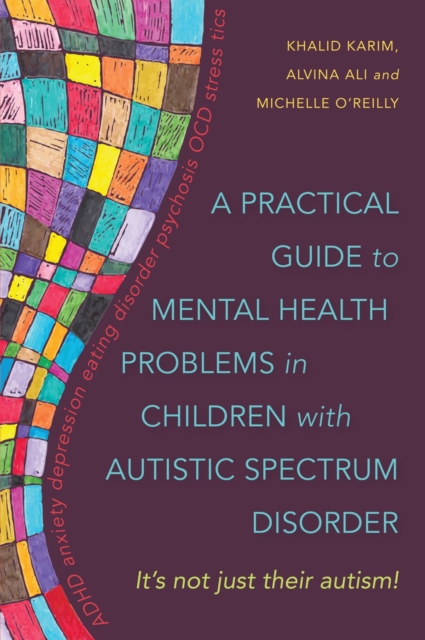
Exploring the relationship between ASD and mental health difficulties, this book offers practical guidance to help parents and professionals recognise and handle co-morbid conditions, and dispels the myth that they are just a part of autism.
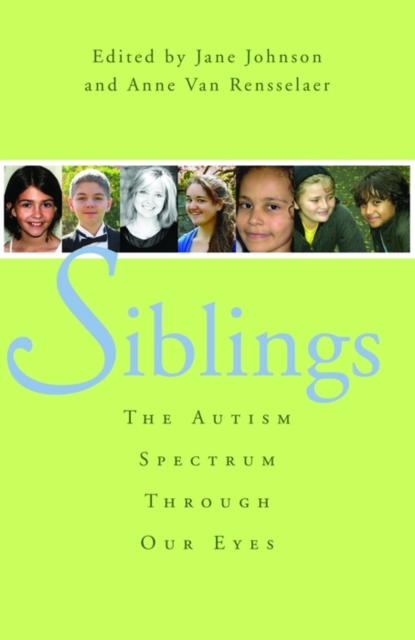
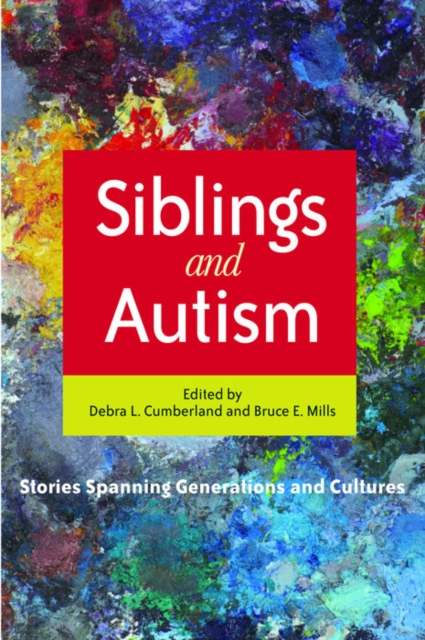
Growing up with a sibling on the autistic spectrum can be difficult, and the needs of a child with autism often overwhelm a family, leaving neurotypical children feeling overshadowed.
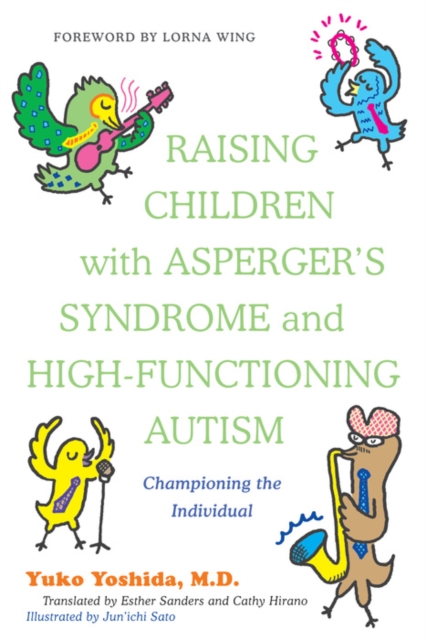
If you have a child with Asperger's syndrome (AS) or high-functioning autism, conventional parenting principles will often prove insufficient and unproductive.
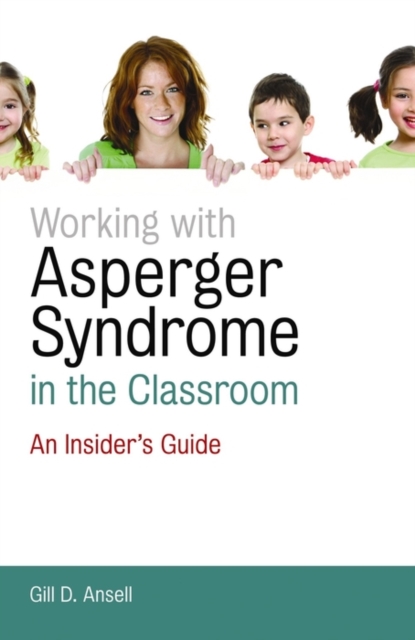
Having an array of effective strategies at your fingertips and understanding exactly why they work makes supporting children with Asperger Syndrome in the classroom a whole lot easier.