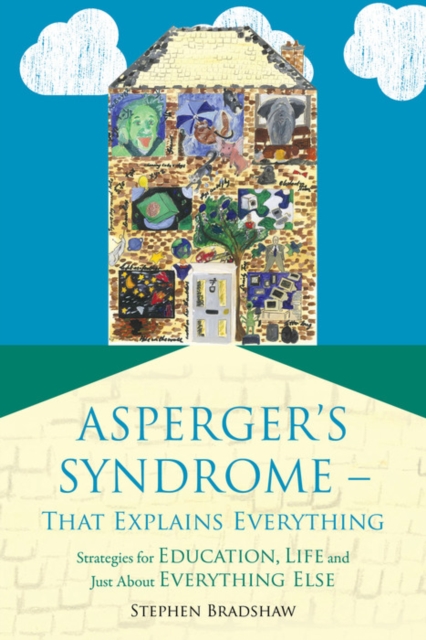
Students with Asperger's Syndrome (AS) frequently find the school environment challenging, despite often having a high level of academic ability, because their unique social and sensory difficulties are not fully understood or accommodated.
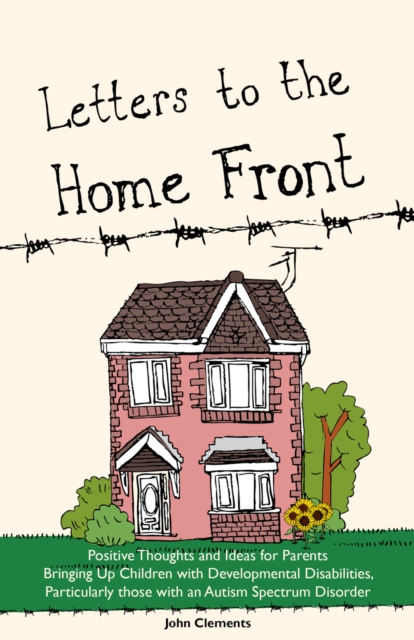
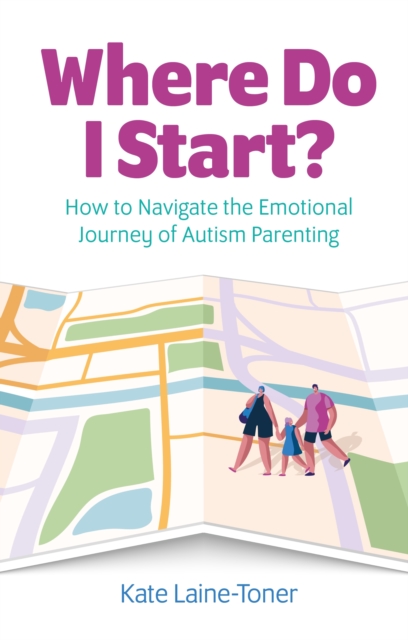
Bringing up a child with developmental disabilities, especially autism, presents many challenges for parents, and the focus of attention is almost invariably on the child.
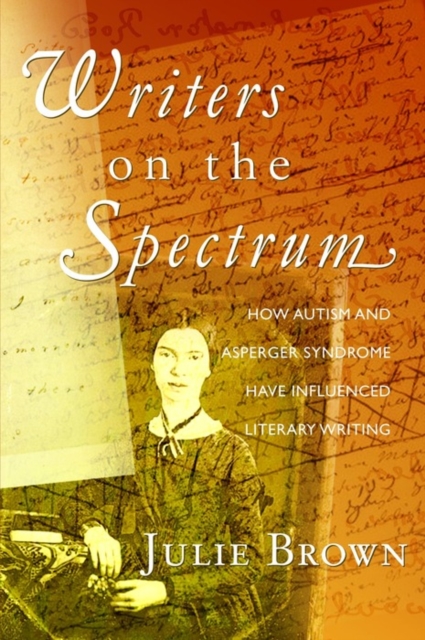
From Hans Christian Andersen's fairytale characters to Lewis Carroll's Wonderland and Emily Dickinson's poetic imagery, the writings and lives of some of the world's most celebrated authors indicate signs of autism and Asperger's Syndrome.
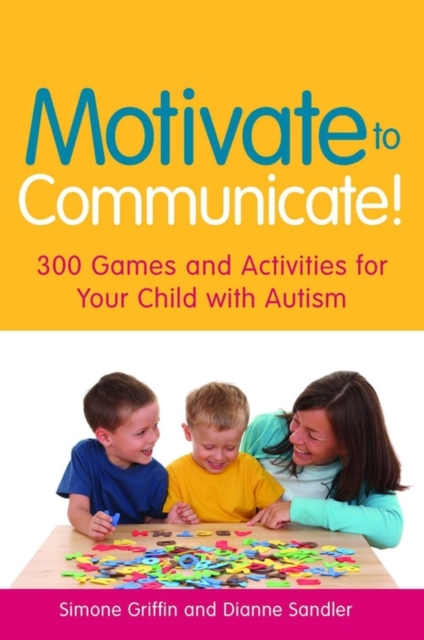
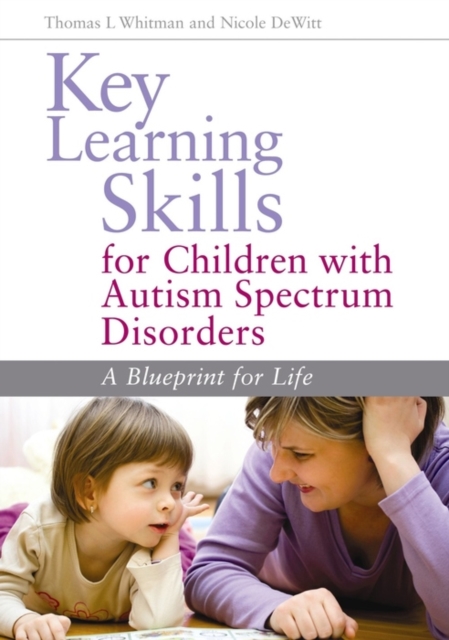
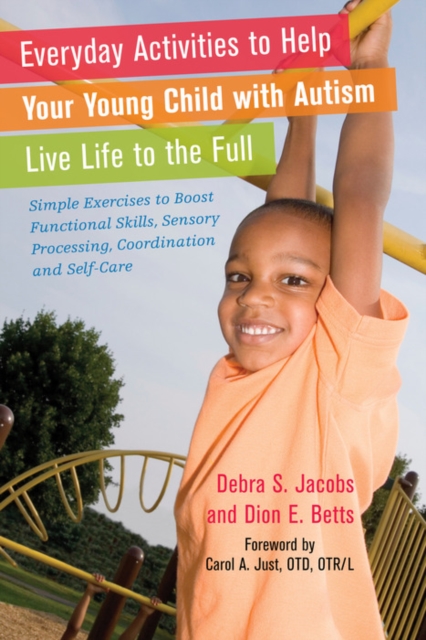
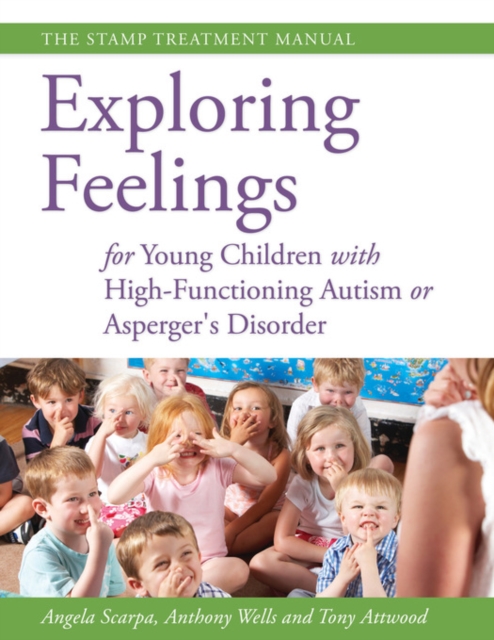
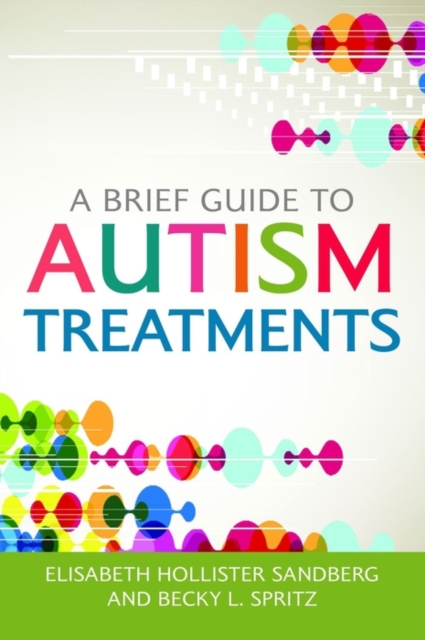
Finding a way of simultaneously addressing the sensory, motor, emotional, communicative, cognitive and social needs of children on the autism spectrum can be a real challenge, and choosing from the vast array of options available is a daunting task.
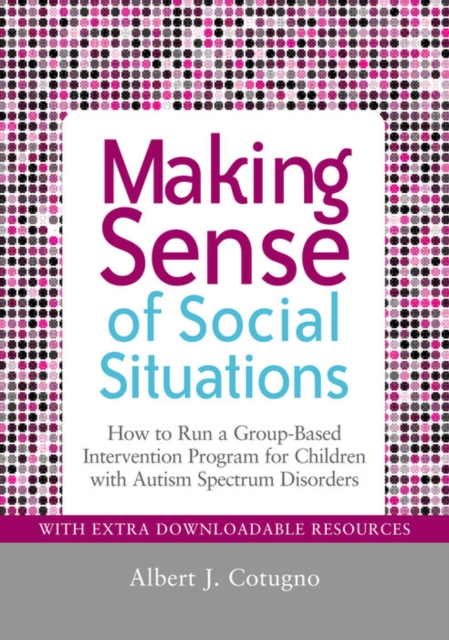
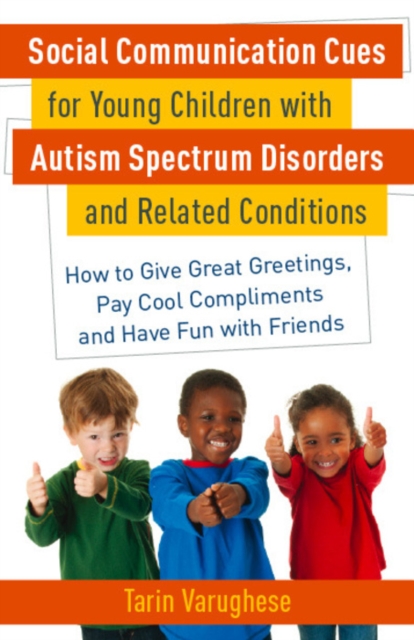
Children with Autism Spectrum Disorders (ASD) often demonstrate significant deficiencies in social interaction and social communication skills, so it is critical to understand and develop interventions which directly address these needs.
Intensive interaction is a valuable approach, with the potential to radically enhance the well-being of difficult-to-reach individuals, such as those with profound and severe learning disabilities, autistic spectrum conditions and emotional problems.
Children with pervasive developmental disorders often do not learn from conventional methods, which can result in social isolation, behavior problems, limitations in communication, and slow academic growth.
Life with Asperger's Syndrome can be a challenge at the best of times, and trials and tribulations that neurotypicals take in their stride can leave Aspies perplexed and unsure of how best to solve problems and keep themselves safe, both physically and emotionally.
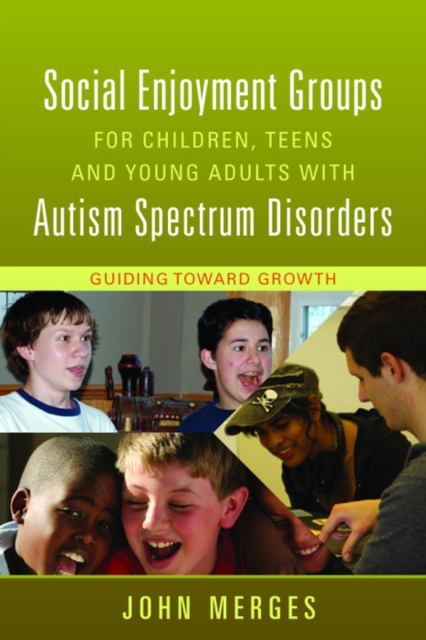
Young people with autism spectrum disorders (ASD) often feel uncomfortable and anxious in social situations, but socializing with classmates and colleagues can be made easier - and more enjoyable - with Guiding Toward Growth group sessions.
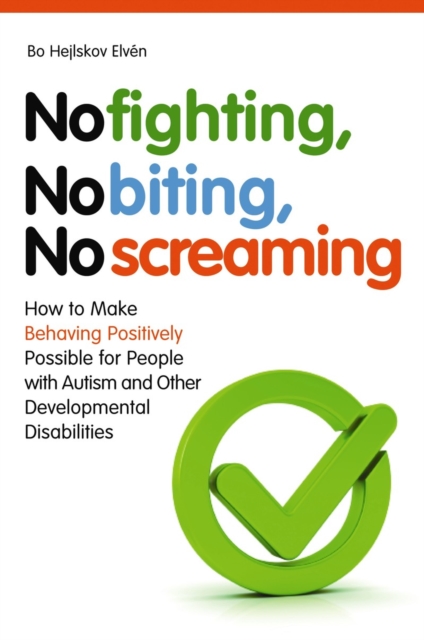
Fighting, biting, screaming and other behaviours that challenge the people dealing with them are often triggered by unsuitable surroundings or unrealistic demands.
Based on Nick Dubin's own experience, and drawing on the extensive knowledge of Dr Tony Attwood and Dr Isabelle Henault, this important book addresses the issues surrounding the autism spectrum, sexuality and the law.
Potty training a child with developmental disorders can be a real challenge, and sometimes the extra difficulties make you feel as though you've tried everything, and failed.
* Gold Medal Winner in the Psychology / Mental Health Category of the 2011 IPPY Awards ** Silver Medal Winner in the 2010 BOTYA Awards Psychology Category *Savant syndrome is a rare condition in which individuals with developmental disorders, including autism spectrum disorders, have one or more areas of expertise, ability, or brilliance - "e;islands of genius"e; - that exist in contrast with their overall limitations.
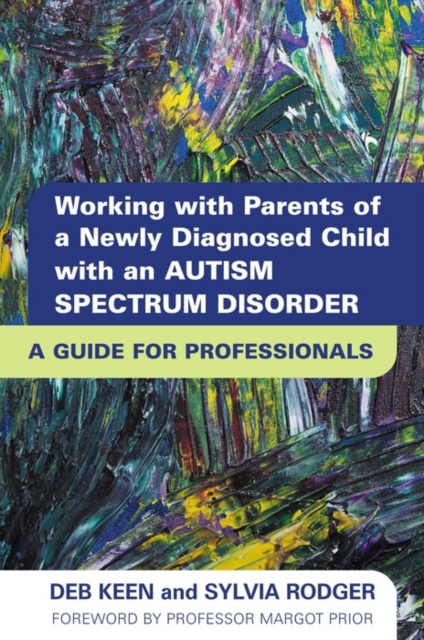
Finding out that a child has an autism spectrum disorder (ASD) can put an enormous strain on families, and the quality of support offered by professionals at this time can make a huge difference to how they adjust to the news.
*Gold Medal Winner in the Sexuality / Relationships Category of the 2011 IPPY Awards** Honorary Mention in the 2010 BOTYA Awards Women's Issues Category *Girls with Asperger's Syndrome are less frequently diagnosed than boys, and even once symptoms have been recognised, help is often not readily available.
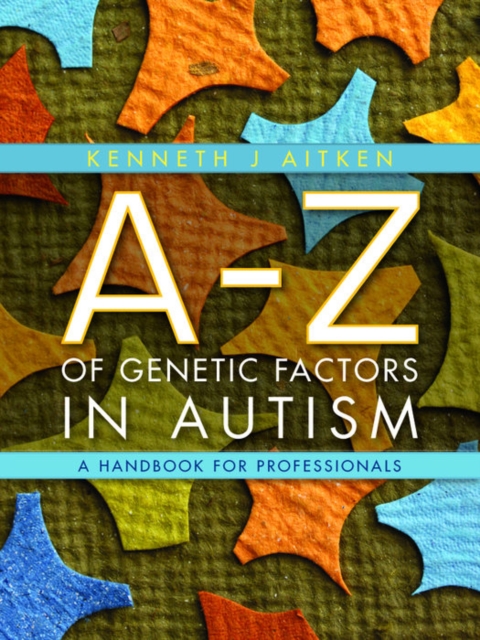
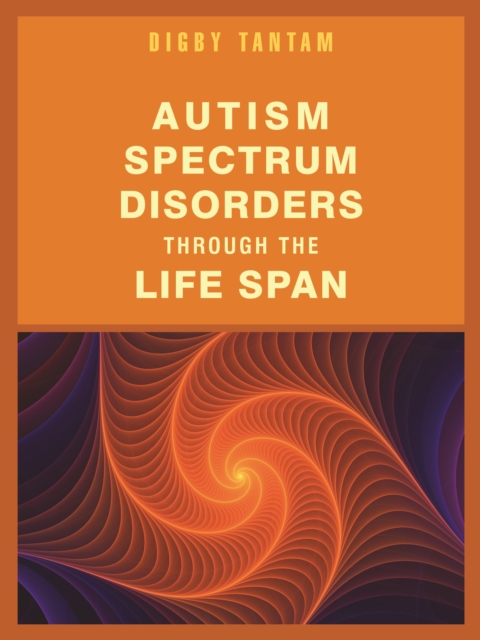
This professional text covers every aspect of Autistic Spectrum Disorders (ASD), from science to services, from the most disabling Kanner's syndrome to the most high-functioning Asperger syndrome, and from birth to old age.
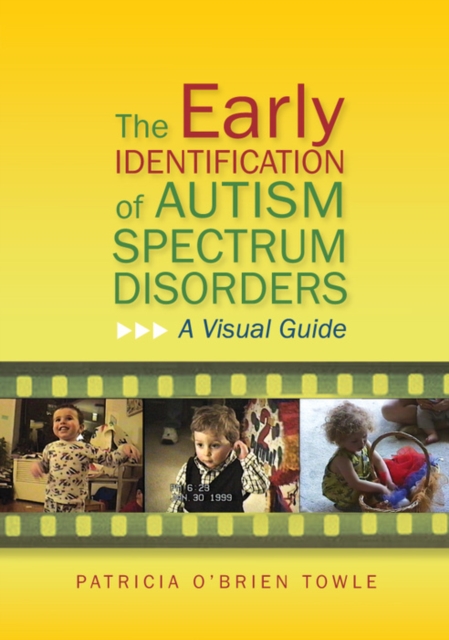
Identifying Autism Spectrum Disorder (ASD) as early as possible can have a significant, positive impact on the child's journey to adaptation and independence.
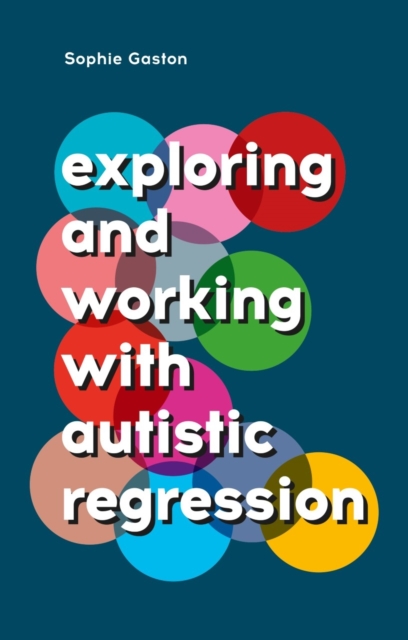
In this honest, poignant depiction of autistic regression, Sophie Gaston explores the unexpected joys and challenges of having a child that regresses and surveys the historic and latest professional perspectives on the causes of this little-understood occurrence.
In this honest, poignant depiction of autistic regression, Sophie Gaston explores the unexpected joys and challenges of having a child that regresses and surveys the historic and latest professional perspectives on the causes of this little-understood occurrence.
*Gold Medal Winner in the Sexuality / Relationships Category of the 2011 IPPY Awards** Honorary Mention in the 2010 BOTYA Awards Women's Issues Category *Girls with Asperger's Syndrome are less frequently diagnosed than boys, and even once symptoms have been recognised, help is often not readily available.
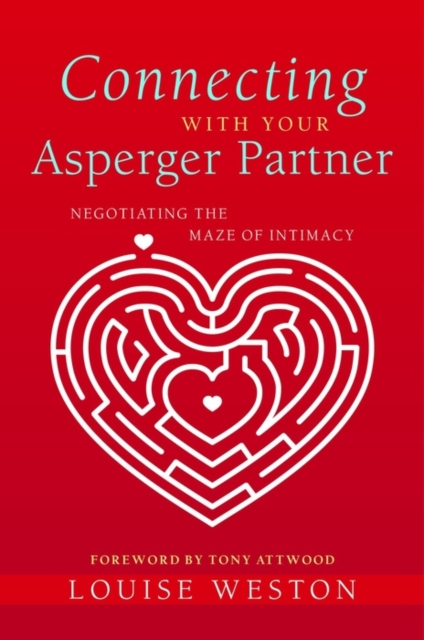
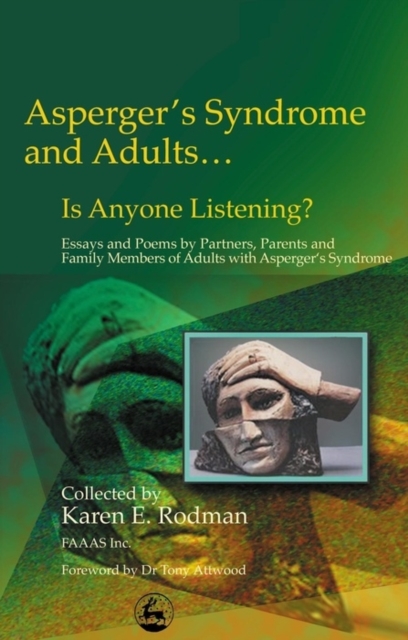
This short book, a collection of essays and poems, looks at the loneliness, frustration and sadness experienced, not by the person with the syndrome, but by their partners, parents and other family members: it is they who have to cope with the absence of communication, affection and empathy expected from a reciprocal loving relationship.
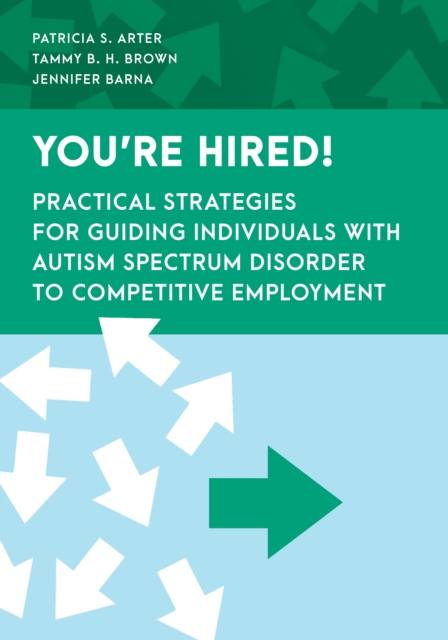
Despite having marketable skills, individuals with Autism Spectrum Disorder (ASD) have one of the highest unemployment and under-employment rates of all disability groups.
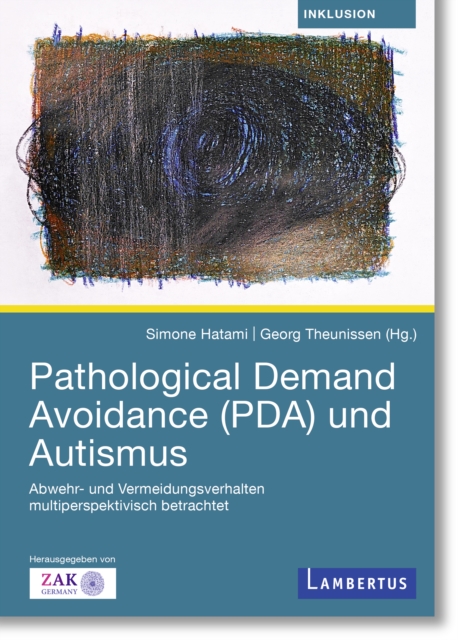
In den letzten Jahren sorgt der Begriff PDA für zunehmende Aufmerksamkeit: Kinder und Jugendliche mit besonders stark ausgeprägtem Vermeidungs- und Abwehrverhalten werden unter diesem Leitbegriff immer häufiger einem neuen Autismus-Subtyp zugeordnet.
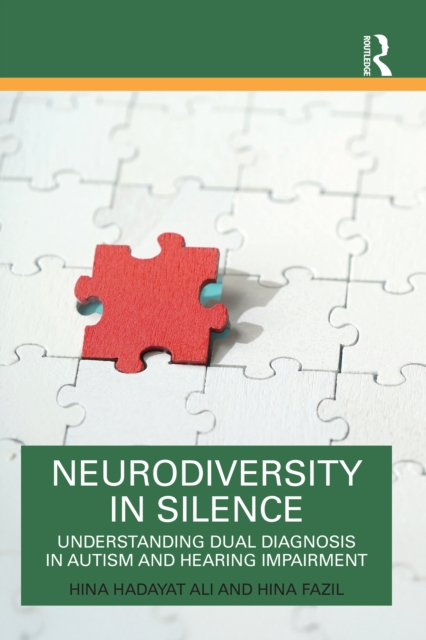
In a world built for words, Neurodiversity in Silence reveals the powerful, often invisible experiences of children and adults living with both Autism Spectrum Disorder (ASD) and hearing impairment.
In a world built for words, Neurodiversity in Silence reveals the powerful, often invisible experiences of children and adults living with both Autism Spectrum Disorder (ASD) and hearing impairment.