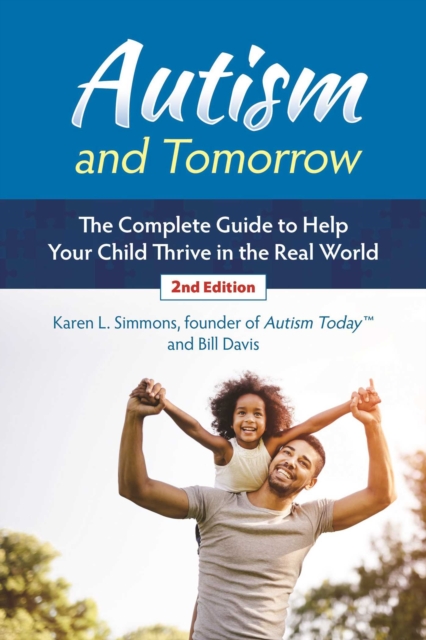
Looking Ahead to the Future of Autism Study and CareAutism and Tomorrow is a comprehensive resource that addresses many parents' questions pertaining to their child with autism, such as financial planning, long-term care, employment options, and employer relationships, community resources, education, bullying, puberty, doctor visits, sex, nutrition, fitness, family relationships, and more.
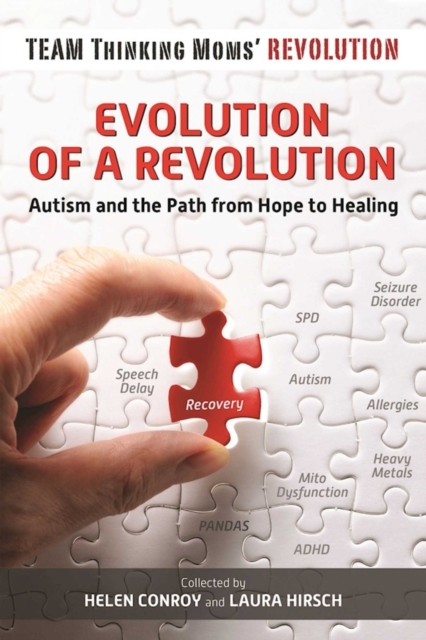
This book is a collection of stories about the real secret life of several autism mothers, detailing their stress, their joys, their tears, their laughter, and their disappointments.
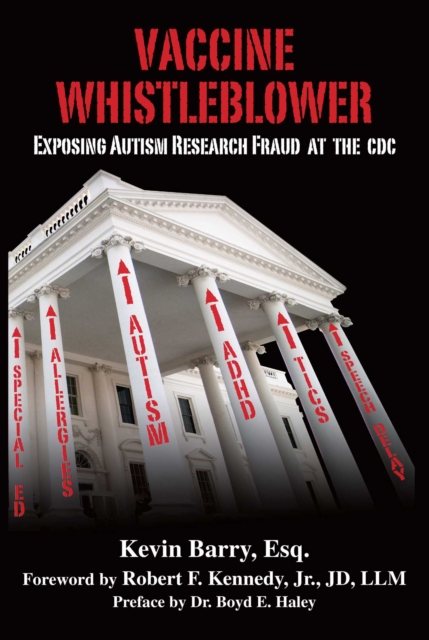
A Firsthand Account from a CDC Insider on the Link between Vaccines and AutismVaccine Whistleblower is a gripping account of four legally recorded phone conversations between Dr.
Hack your gut health and unlock a variety of benefits that a healthy gut brings with these 200 easy, accessible tips for promoting good bacteria, achieving balance in your gut microbiome, and feeling your best every day.
A ';beautiful and astonishing' (Walter Isaacson, # 1 New York Times bestselling author of The Code Breaker) narrative that examines the many ways to be fully human, told by the first young adult with autism to attend Oxford University as a Rhodes Scholar.
This ';comfortingthoughtful' (The Washington Post) guide to maintaining a high quality of lifefrom resilient old age to the first inklings of a serious illness to the final breathby the New York Times bestselling author of Knocking on Heaven's Door is a ';roadmap to the end that combines medical, practical, and spiritual guidance' (The Boston Globe).
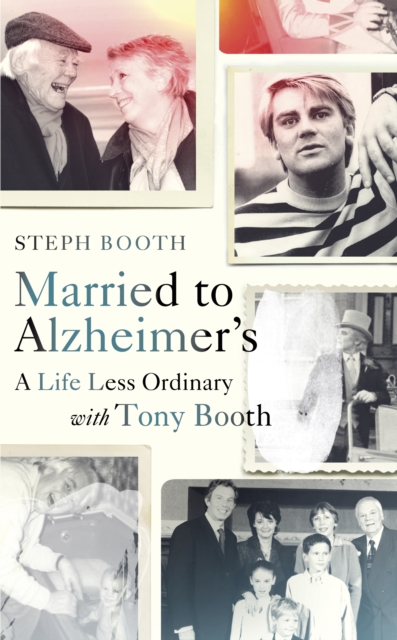
EXTRAORDINARY MEMOIR OF A LIFE AND LOVE TORN APART BY DEMENTIAWhen her husband Tony was diagnosed with Alzheimer s in 2004, Steph Booth had to say goodbye to life as she knew it.
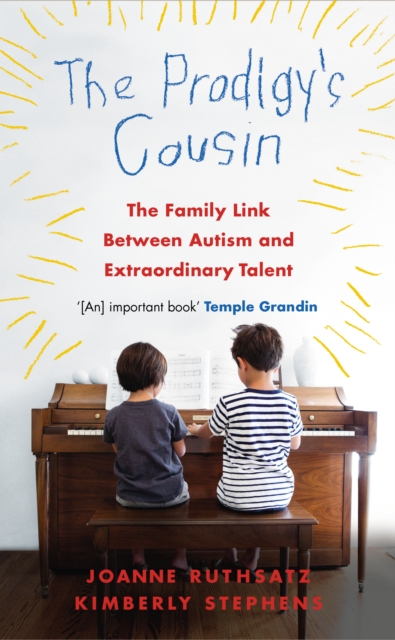
'[AN] IMPORTANT BOOK' TEMPLE GRANDINOver the course of her career, psychologist Joanne Ruthsatz has assembled the largest-ever research sample of child prodigies.
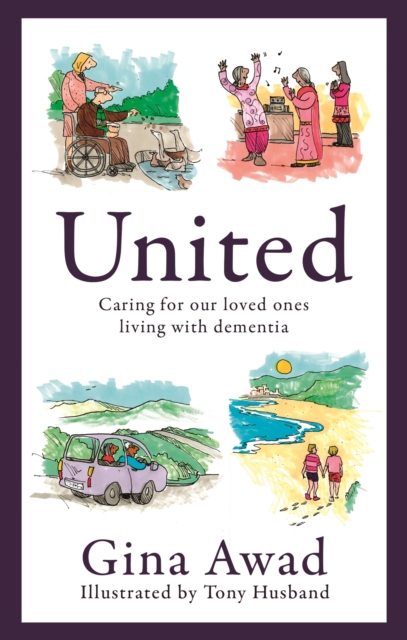
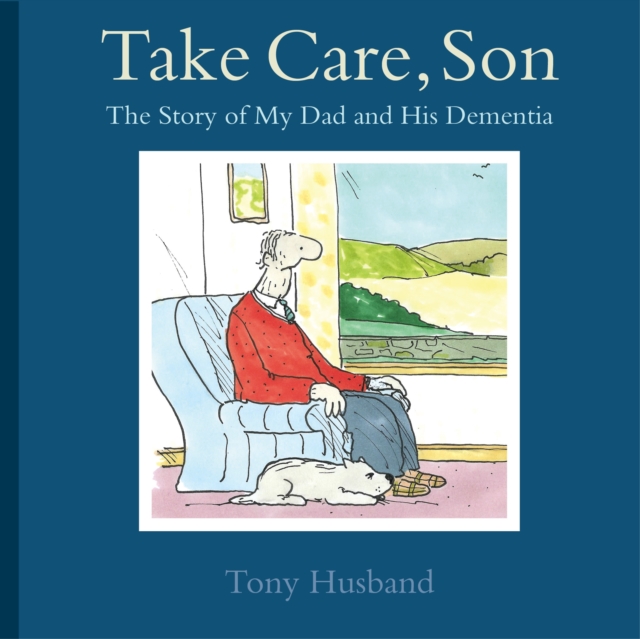
'A beautiful and moving book that vividly brings home the challenges faced by those with dementia and their carers' Sir Tony RobinsonA moving and beautifully illustrated book that captures the real life tales of people living with dementia, as told by their loved ones caring for them.
*As featured on Steven Bartlett's Diary of a CEO podcast* For those fascinated by neurology and for fans of The Man Who Mistook His Wife for a Hat comes a powerful exploration of the mind during night time.
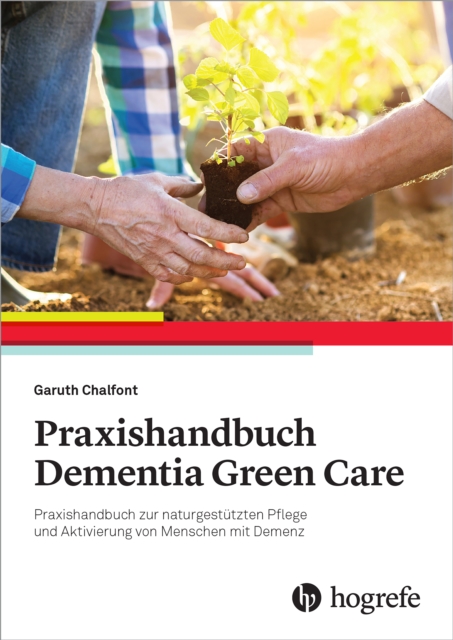
Das Dementia Green Care Praxishandbuch begründet und zeigt wie Auβenräume für Menschen mit dem Demenz gestaltet werden können, um deren Orientierung, Sinnerleben, Naturverbundenheit, Neugierde und Kognition zu fördern.
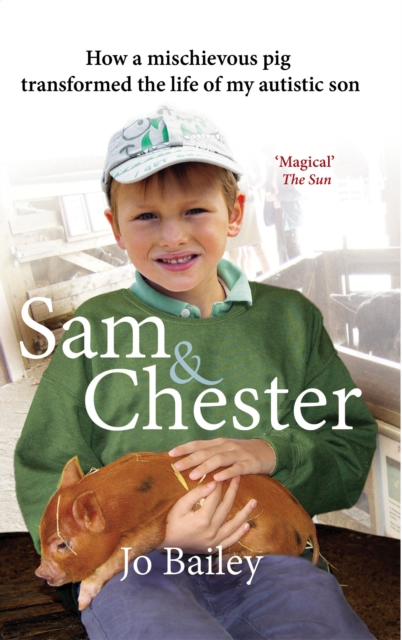
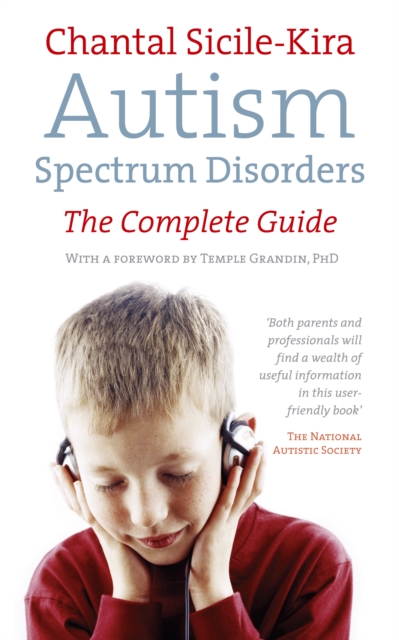
The National Autistic Society estimates that Autism Spectrum Disorders (ASD) now affects 500,000 families in the UK alone, while one in 86 children have an ASD-related special educational need.
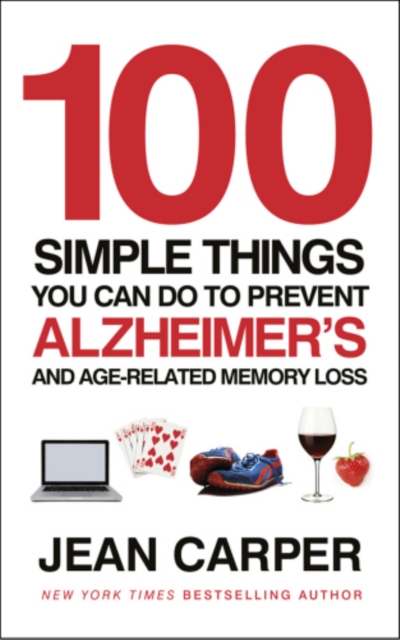
If you drink apple juice with cinnamon, look after your gums, read, dance and take an aspirin a day - you are well on your way to preventing Alzheimer's disease.
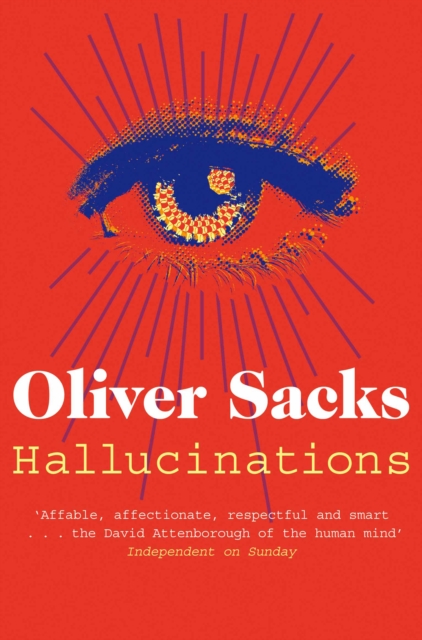
'A mine of treasures, a source of visions, a microcosm of human experience and suffering, the philosopher's stone: Migraine is a remarkable achievement' - Sunday Telegraph.
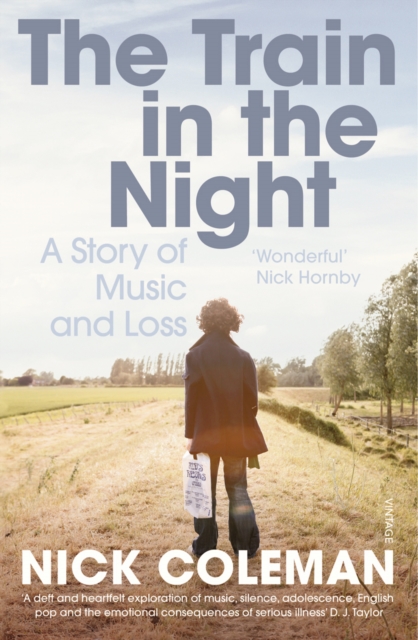
'A fine book' The Sunday Times 'Powerful' Guardian 'Wonderful' The Telegraph'Moving, funny, warm' Mail on Sunday'Brave, compassionate, tender and honest' Metro'This book began as an attempt to hold on to my witty, storytelling mother with the one thing I had to hand.