Posttraumatic Epilepsy: Basic and Clinical Aspects provides a synthesized resource on the recent basic and clinical science developments in the field of posttraumatic epilepsy.
Year One of Practice Transition: The Necessary Guide to Success is a practical guide for both established physicians transitioning from one practice opportunity to another, and those transitioning from formal residency or fellowship training.
Introduction to Deep Learning and Neural Networks with Python(TM): A Practical Guide is an intensive step-by-step guide for neuroscientists to fully understand, practice, and build neural networks.
Neurobiology of Brain Disorders: Biological Basis of Neurological and Psychiatric Disorders, Second Edition provides basic scientists a comprehensive overview of neurological and neuropsychiatric disease.
Covid-19 and Parkinsonism, Volume 165 in the International Review in Neurobiology series, highlights new advances in the field with this new volume presenting interesting chapters that cover a variety of topics, including Parkinsonism associated with viral infections, Covid-19 and nervous system pathology: bench to bedside, Prevalence of Covid-19 in Parkinson's Disease: acute settings and hospital, Covid-19 and Parkinson's Disease: clinical features, long COVID, Smell deficits in Covid-19 and possible links with Parkinson's Disease, Spotlight on non-motor symptoms and Covid-19, and a Summary of treatment paradigms in Parkinson's Disease patients and Covid-19.
Methodological Approaches for Sleep and Vigilance Research examines experimental procedures used to study the sleep-wake cycle, with topics covered by world leaders in the field.
The Neurobiology of the Gilles de la Tourette Syndrome and Chronic Tics, Volume Three reviews historical background and current nosology and guidelines.
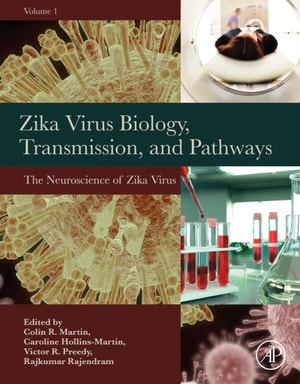
Zika Virus Biology, Transmission, and Pathways: The Neuroscience of Zika, Volume One provides a detailed introduction to the molecular biology of the Zika virus and its features, transmission, and impact on neurological systems.
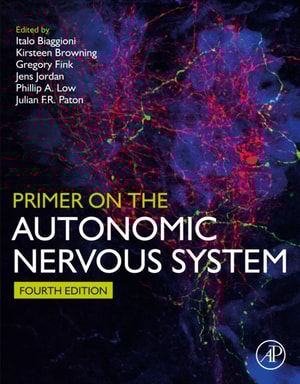
Primer on the Autonomic Nervous System, Fourth Edition provides a concise and accessible overview of autonomic neuroscience for students, scientists, and clinicians.
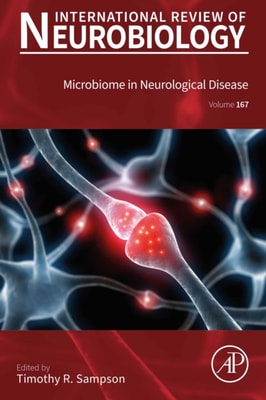
Microbiome in Neurological Disease, Volume 167 in the International Review of Neurobiology series, highlights new advances in the field, with this new volume presenting interesting chapters written by an international board of authors.
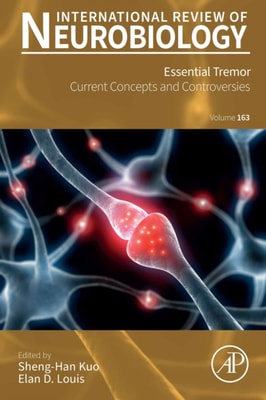
Tremors, Volume 163 in the International Review in Neurobiology serial highlights new advances in the field, with this new volume presenting interesting chapters.
An enthralling exploration that upends the prevailing view of consciousness and demonstrates how intelligence is literally embedded in the palms of our hands If you think that intelligence emanates from the mind and that reasoning necessitates the suppression of emotion, you’d better think again—or rather not “think” at all.
Effects of Peri-Adolescent Licit and Illicit Drug Use on the Developing CNS: Part II, Volume 161, in the International Review on Neurobiology serial highlights new advances, with this volume presenting chapters on topics including Introduction to Effects of Peri-Adolescent Licit and Illicit Drug Use on the Developing CNS, Peri-adolescent Exposure to (Meth)amphetamine in Animal Models, The Impact of Adolescent Nicotine Exposure on Alcohol Use During Adulthood: The Role of Neuropeptides, Cannabis Exposure During Adolescence: A uniquely Sensitive Period for Neurobiological Effects, The Stoned Age: Sex Differences in the Effects of Adolescent Cannabinoid Exposure on Prefrontal Cortex Structure and Function in Animal Models, and more.
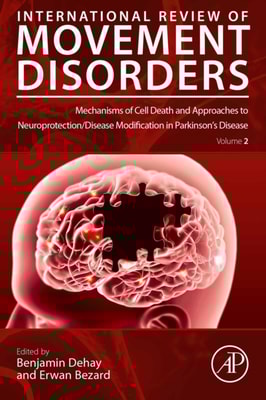
Mechanisms of Cell Death and Approaches to Neuroprotection/Disease Modification in Parkinson's Disease explores the results of numerous studies surrounding in vitro and animal model evidence that looks at the impact of a-synucleinopathy on neuronal dysfunction and behavioral impairments, (ii) how research in animal models supports the development of therapeutic strategies, and (iii) how findings in animal models might relate to the disease process in humans.
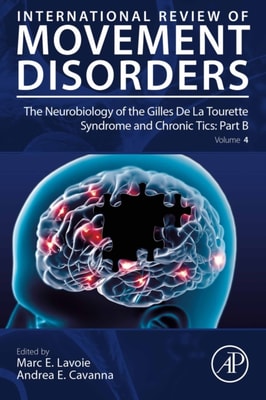
The Neurobiology of the Gilles de la Tourette Syndrome and Chronic Tics, Part B, Volume Four reviews historical background, current nosology and guidelines.
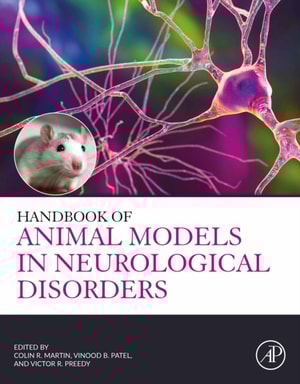
Handbook of Animal Models in Neurological Disorders will better readers' understanding of a large variety of animal models and their applicability in studying a number of neurological disorders.
Epilepsy, Part II, Treatment, Volume 108, provides a full description of epilepsy pathology and etiology, antiepileptic drug treatment, the approach to surgical evaluation and alternative procedures to be considered, in both children and adults, as well as brain stimulation and diet treatment.
Disorders of the peripheral nervous system (PNS) are the cause of prominent neurological symptoms including weakness, sensory loss, pain and autonomic dysfunction associated with deficits, morbidity and mortality.
Epilepsy, Part I, Basic Principles and Diagnosis, Volume 107, in the Handbook of Clinical Neurology series offers a comprehensive review of our knowledge of the field today, including epidemiology, basic mechanisms, animal models, and topics of increasing interest such as the role of inflammation in epilepsy.
New Trends in Basic and Clinical Research of Glaucoma: A Neurodegenerative Disease of the Visual System is the latest volume from Progress in Brain Research focusing on new trends in basic and clinical research of glaucoma.
Neurobiology of Epilepsy: From Genes to Networks is the latest volume in the Progress in Brain Research series that focuses on new trends and developments.
The Handbook of Clinical Neurology volumes on Traumatic Brain Injury (TBI) provide the reader with an updated review of emerging approaches to TBI research, clinical management and patient rehabilitation.
With 1050+ practice case-based questions, this self-testing guide covers all the core concepts needed to study for the ABPMR examIdeal for both systematic and quick, last-minute studying, Principles of Rehabilitation Medicine: Case-Based Board Review distills the essential knowledge required to adequately prepare for the American Board of Physical Medicine and Rehabilitation board exam (ABPMR).
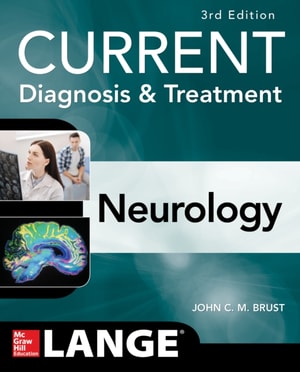
Practical, up-to-date strategies for assessing and managing the neurologic conditions most frequently seen in adults and children*Introductory chapters address specific symptoms and diagnostic procedures; subsequent chapters are disease specific and adhere to a standard format, beginning with Essentials of Diagnosis, followed by Clinical Findings, Differential Diagnosis, Treatment, and Prognosis*Coverage of disorders in both adults and children*Thorough coverage of diagnostic tests and the very latest pharmacologic treatments*Practical information on common conditions such as headaches, movement disorders, and central nervous system infections*Valuable to anyone who sees patients with neurologic complaints, whether in primary care or the neurology clinic*Expert help with ischemic and hemorrhagic stroke, epilepsy, sleeping disorders, dizziness, hearing loss, dementia and memory loss, and more*Each chapter written by experts in that area, without losing readability or coherence
Publisher's Note: Products purchased from Third Party sellers are not guaranteed by the publisher for quality, authenticity, or access to any online entitlements included with the product.
Get the latest evidence-based methods for diagnosing and treating neurologic disorders in infants, children, and adolescentsA practical, up-to-date, well-referenced guide to the wide range of neurological diseases that impact infants, children, and adolescents with detailed descriptions and safe, effective diagnostic procedures and treatmentsNearly 50 chapters covering the full spectrum of pediatric neurologic conditions, including cardinal manifestations of neurologic disease, developmental disorders, pain and other disorders of somatic sensation, epilepsy and disorders of consciousness, major categories of neurologic disease, and diseases of the spinal cord, peripheral nerve and muscleSummaries of the latest guidelines and treatment recommendations for all pediatric neurology diseases and disordersInvaluable for rotations and board exam preparationAddresses many of the new advances in pediatric neurology, while also remaining relevant to trainees and general practitioners to be used as a quick reference guide on treating patientsEach chapter is written by experts in their own subspecialtyA wealth of tables and figures provides quick access to important informationLANGE Presented in the consistent, easy-to-follow, time-saving CURRENT format: Problem, Essentials of Diagnosis, Clinical Findings, Differential Diagnosis, Treatment, and PrognosisIdeal for medical students, residents, pediatricians, and neurologistsBrief overviews, highlighted areas of importance, and multiple choice questions for better board prep reviewStrikes the perfect balance between brevity and depth
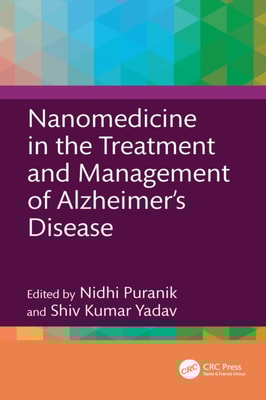
This book aims to discuss the various drug delivery approaches of neuroprotective medicines via nanoparticles, such as enzymes, monoclonal antibodies, neurotrophic factors, pharmaceutical drugs, and nucleic acid-based medication, to manage Alzheimer's disease.
Positive Behaviour Support Strategies for Students with Oppositional and Defiant Behaviours equips parents, educators and professionals with the knowledge and skills to assess, manage and prevent challenging behaviours in children who have been diagnosed with anA OppositionalA and Defiant Disorder or are showing signs ofA oppositionalA and defiant behaviour persistently.