Neuropathology of Drug Addictions and Substance Misuse, Volume 2: Stimulants, Club and Dissociative Drugs, Hallucinogens, Steroids, Inhalants and International Aspects is the second of three volumes in this informative series and offers a comprehensive examination of the adverse consequences of the most common drugs of abuse.
Forensic Pathology is a comprehensive reference that uses a case-oriented format to address, explain and guide the reader through the varied topics encountered by forensic pathologists.
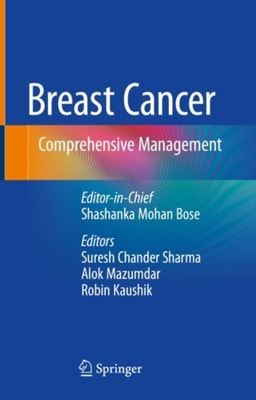
The book provides detailed information on breast cancer and covers all the aspects of this rapidly spreading disease, such as applied anatomy and physiology, causative factors, various Investigations to reach a concise, definitive and complete diagnosis.
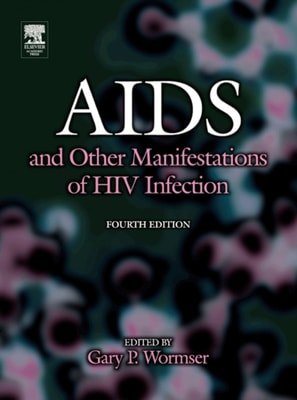
Extensively revised and updated, the new edition of AIDS and Other Manifestations of HIV Infection is an essential reference resource providing a comprehensive overview of the biological properties of this etiologic viral agent, its clinicopathological manifestations, the epidemiology of its infection, and present and future therapeutic options.
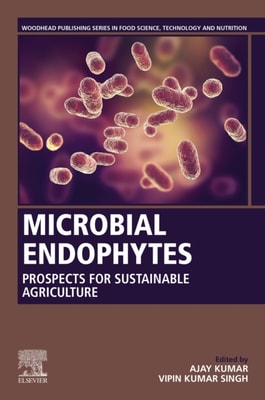
Microbial Endophytes: Prospects for Sustainable Agriculture discusses the practical and theoretical aspects regarding the use of endophytic microorganisms in agriculture, providing insights on the biotechnological applications associated with long-term crop production.
Volume thirty-nine in the internationally acclaimed Advances in Clinical Chemistry, contains chapters submitted from leading experts from academia and clinical laboratory science.
This book addresses practical issues that reflect the current landscape of GI pathology practice and is organized in such a way that fits the fast-pacing daily life of practicing pathologists.
Current cancer therapies are focused on three general strategies: modifying intrinsic radiosensitivity via molecular targeting, manipulating microenvironmental factors to enhance tumor susceptibility to radiation, and improving delivery of radiation to critical tumor locations while sparing normal tissues.
The molecular age has brought about dramatic changes in medical microbiology, and great leaps in our understanding of the mechanisms of infectious disease.
This updated second edition of Molecular Typing in Bacterial Infections, presented in two volumes, covers both common and neglected bacterial pathogenic agents, highlighting the most effective methods for their identification and classification in the light of their specific epidemiology.
This objective of this atlas is to serve as an updated diagnostic resource that allows pathologists to diagnose interstitial lung disease (ILD) when they encounter it in biopsies.
This book provides an ample overview of the current state of research on nutrition's influence on the human microbiome and how it can be leveraged in personalized diets.
This book highlights cutting-edge studies in the development of cell-inspired biomaterials and synthetic materials that manipulate cell functions and provide the next generation with contemporary tools for treating complex human diseases.