Psychoses provides a unique perspective on the challenges associated with understanding and treating psychoses, bringing together insights and developments from medicine and psychology to give a full and balanced overview of the subject.
Psychoses provides a unique perspective on the challenges associated with understanding and treating psychoses, bringing together insights and developments from medicine and psychology to give a full and balanced overview of the subject.
Integrating Psychological and Pharmacological Treatments for Addictive Disorders distills the complex literature on addiction, offering a curated toolbox of integrated pharmacological and psychotherapeutic treatments in chapters authored by leading experts.
Integrating Psychological and Pharmacological Treatments for Addictive Disorders distills the complex literature on addiction, offering a curated toolbox of integrated pharmacological and psychotherapeutic treatments in chapters authored by leading experts.
A concise, highly-illustrated guide to the underlying neurobiology, genetic predisposition and management of aggressive behaviours in patients with psychiatric disorders.
A concise, highly-illustrated guide to the underlying neurobiology, genetic predisposition and management of aggressive behaviours in patients with psychiatric disorders.
An evidence-based approach to psychopharmacology addressing the questions of optimal first line interventions, maintenance pharmacotherapy and management of treatment-refractory patients.
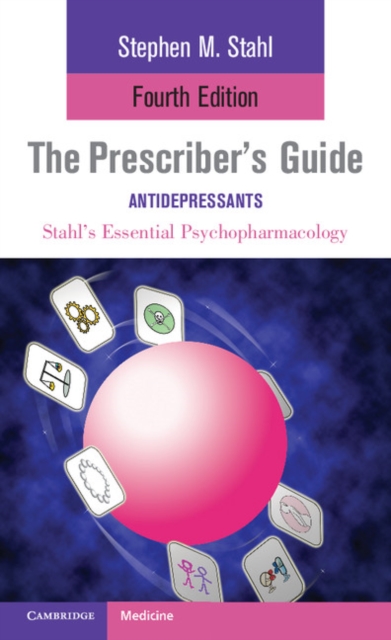
Concepts are illustrated by full-color images that will be familiar to all readers of Stahl''s Essential Psychopharmacology, 3rd Edition and The Prescriber''s Guide.
Covers the latest developments in our understanding of post-traumatic stress disorder and anxiety, with a specific focus on the implications for military populations.
Concepts are illustrated by full-color images that will be familiar to all readers of Stahl''s Essential Psychopharmacology, 3rd Edition and The Prescriber''s Guide.
An evidence-based approach to psychopharmacology addressing the questions of optimal first line interventions, maintenance pharmacotherapy and management of treatment-refractory patients.
Concepts are illustrated by full-color images that will be familiar to all readers of Stahl''s Essential Psychopharmacology, 3rd Edition and The Prescriber''s Guide.
Covers the latest developments in our understanding of post-traumatic stress disorder and anxiety, with a specific focus on the implications for military populations.
Concepts are illustrated by full-color images that will be familiar to all readers of Stahl''s Essential Psychopharmacology, 3rd Edition and The Prescriber''s Guide.
Explore and understand new approaches in Borderline therapy Borderline Personality Disorder (BPD) lags far behind other disorders such as schizophrenia in terms of research and treatment interventions.
Explore and understand new approaches in Borderline therapy Borderline Personality Disorder (BPD) lags far behind other disorders such as schizophrenia in terms of research and treatment interventions.
Consistent with previous editions, this book assembles in a single volume summaries of the treatment literature and treatment procedures of the most common childhood behavior disorders facing persons who practice in applied settings clinics, schools, counseling centers, psychiatric hospitals, and residential treatment centers.
Consistent with previous editions, this book assembles in a single volume summaries of the treatment literature and treatment procedures of the most common childhood behavior disorders facing persons who practice in applied settings clinics, schools, counseling centers, psychiatric hospitals, and residential treatment centers.
Over the past two decades, the use of medication combined with psychotherapy or psychoanalysis has shifted from an infrequent occurrence to common practice.
Over the past two decades, the use of medication combined with psychotherapy or psychoanalysis has shifted from an infrequent occurrence to common practice.
Integrating Psychotherapy and Psychopharmacology: A Handbook for Clinicians is a practical guide for the growing number of mental-health practitioners searching for information on treatments that combine psychopharmacology, psychotherapy, and psychosocial rehabilitation.
Integrating Psychotherapy and Psychopharmacology: A Handbook for Clinicians is a practical guide for the growing number of mental-health practitioners searching for information on treatments that combine psychopharmacology, psychotherapy, and psychosocial rehabilitation.
Written by father-daughter psychologists Nick and Janet Cummings, this text provides proven patient-responsive interventions by practitioners who together have nearly a century of hands-on practice and innovation between them.
Written by father-daughter psychologists Nick and Janet Cummings, this text provides proven patient-responsive interventions by practitioners who together have nearly a century of hands-on practice and innovation between them.
Psychotic Symptoms in Children and Adolescents demystifies the interviewing diagnostic process of psychosis in children and adolescents and provides a valuable resource for treatment.
Psychotic Symptoms in Children and Adolescents demystifies the interviewing diagnostic process of psychosis in children and adolescents and provides a valuable resource for treatment.
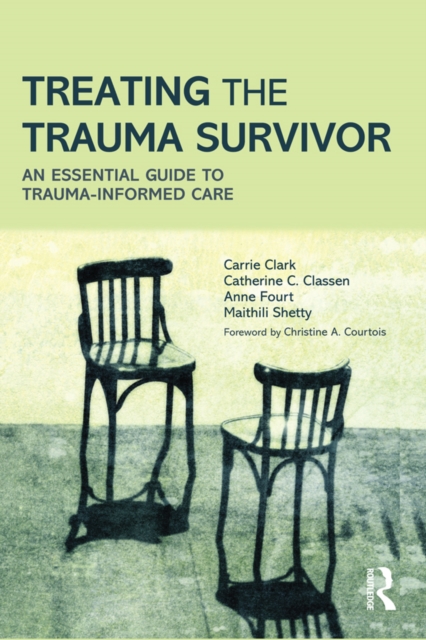
Treating the Trauma Survivor is a practical guide to assist mental health, health care, and social service providers in providing trauma-informed care.
Treating the Trauma Survivor is a practical guide to assist mental health, health care, and social service providers in providing trauma-informed care.
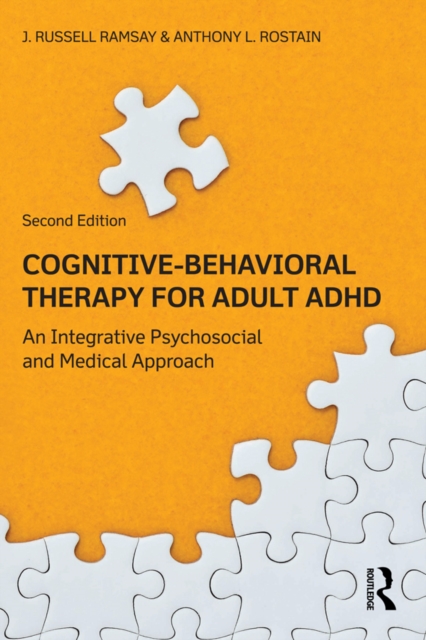
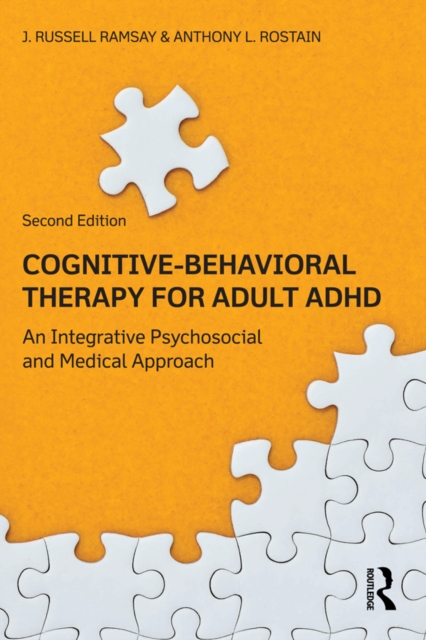
Cognitive Behavioral Therapy for Adult ADHD: An Integrative Psychosocial and Medical Approach has been revised, updated, and expanded for this second edition and remains the definitive book for clinicians seeking to treat adults with ADHD.
Cognitive Behavioral Therapy for Adult ADHD: An Integrative Psychosocial and Medical Approach has been revised, updated, and expanded for this second edition and remains the definitive book for clinicians seeking to treat adults with ADHD.
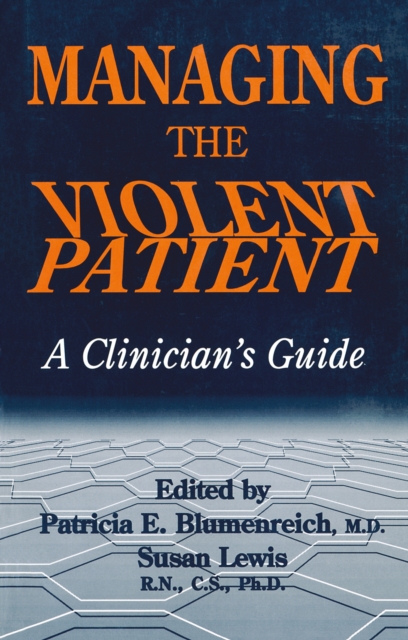
This important book equips mental health professionals with sound and practical strategies for responding effectively to disruptive or violent patients.