Herbal Simples Approved for Modern Uses of Cure, Second Edition considers the medical nature of herbal simples based on accurate and precise chemical analysis.
Analytical Methods for Pesticides, Plant Growth Regulators, and Food Additives, Volume II: Insecticides contains detailed analytical procedures for analysis of 47 widely used insecticides.
Analytical Methods for Pesticides, Plant Growth Regulators, and Food Additives, Volume V: Additional Principles and Methods of Analysis covers the major advances in the analytical techniques used for the qualitative and quantitative determinations of minute amounts of pesticide and plant growth regulator residues in foods and crops.
Analytical Methods for Pesticides, Plant Growth Regulators, and Food Additives, Volume 1: Principles, Methods, and General Applications provides information on analytical techniques useful for the determination of pesticides, plant growth regulators, and food additives.
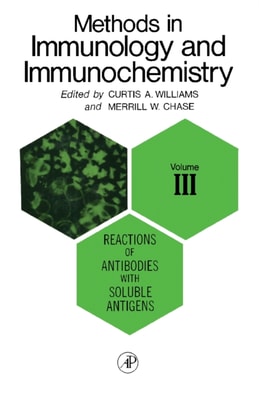
Methods in Immunology and Immunochemistry, Volume III: Reactions of Antibodies with Soluble Antigens provides information pertinent to antigen-antibody and hapten-antibody reactions in vitro, in free solution and in gels.
Hypnotic Suggestion: Its Role in Psychoneurotic and Psychosomatic Disorders outlines the theories and methods of treatment by hypnotic suggestion, emphasizing its role in the etiology and treatment of psychoneuroses and psychosomatic disorders.
Massage and Remedial Exercises: In Medical and Surgical Conditions describes the principles of certain forms of massage and remedial exercises for specific medical and surgical condition.
Hydrotherapy and Physiotherapy for Bath Attendants, Nurses and Biophysical Assistants considers the general principles and practice of hydrology and physiotherapy.
Progress in Chemical Toxicology, Volume 5 covers topics on the improved isolation and detection procedures and quantitation methods for volatile poisons, stimulants, hallucinogenic drugs, and marihuana.
Progress in Chemical Toxicology, Volume 4 covers the capabilities of paper and thin-layer chromatography to separate closely resembling drugs and some of their metabolites.
Progress in Chemical Toxicology, Volume 1 covers the developments in toxicology, including the usefulness of the developed techniques and methods with necessary modifications for toxicological studies.
Methods in Toxicology, Volume 2: Mitochondrial Dysfunction provides a source of methods, techniques, and experimental approaches for studying the role of abnormal mitochondrial function in cell injury.
Methods in Toxicology, Volume 1: In Vitro Biological Systems, Part A provides basic techniques employed by widely recognized scientists to prepare and maintain the biological components of in vitro model systems.
Essays in Toxicology, Volume 6 approaches toxicology by very different routes; two essays with materials (plastics and tobacco alkaloids), one deals with the effects of abnormal pressure, one considers the biochemistry of the lung, and one discusses poison control centers and other mechanisms for limiting the injury done by toxic materials.
Essays in Toxicology, Volume 4 covers three essays on habituating drugs, on the kinetics of the active-site-directed irreversible inhibition, and the hidden effects of trace elements.
An Introduction to Mechanisms in Pharmacology and Therapeutics aims to provide some extra information and background reading on modes of action of drugs, but it is not meant to replace existing pharmacology textbooks.
Handbook of Dental Pharmacology and Therapeutics is a supplement to lectures given in dental schools on the subject of pharmacology in dental practice.
Advances in Behavioral Pharmacology, Volume 3 covers papers dealing with various aspects of the ways in which drug effects are related to and perhaps modified by the rate of responding.
Advances in Behavioral Pharmacology, Volume 2 covers papers on the evidence of the broadening scope and the practical implications of behavioral pharmacology.
Advances in Behavioral Pharmacology, Volume 1 provides synthetic and analytic reviews of significant areas of behavioral pharmacology, particularly the behavioral mechanisms of drug action.
Anatomical Atlas of Chinese Acupuncture Points: The Cooperative Group of Shandong Medical College and Shandong College of Traditional Chinese Medicine covers the common points with their relations to human anatomical structures and the locations of points and indications.
Advances in Steroid Biochemistry and Pharmacology, Volume 4 provides information pertinent to the fundamental aspects of steroid biochemistry and pharmacology.
Microbial Toxins, Volume VI: Fungal Toxins covers information on the evaluation of the chemical, biological, and biomedical aspects of the fungal toxins.
The Quinolones covers reviews on the history, chemistry and mechanism of action, in vitro properties, pharmacokinetics, clinical overview, toxicity, adverse effects and drug interactions, and future prospects of the 4-quinolones.
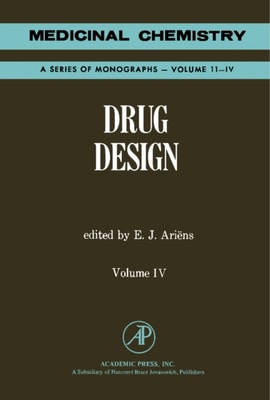
Drug Design, Volume IV covers the pharmaceutical phase of drug action, with emphasis on those aspects that are of importance in the design of optimally effective drug products.
Drug Design, Volume VI covers practical approaches to the development of bioactive compounds, with focus on antiradiation agents, organ-imaging radiopharmaceuticals, X-ray contrast media, proteinase inhibitors, and pesticide formulations.
Drug Design, Volume VII covers the design of agents such as blood substitutes, pesticides derived from insect pheromones, and herbicides related to the auxin-type plant hormones.
Drug Design, Volume VIII covers a critical review and new extensions of quantitative methods in drug design, the design of particular types of agents, such as synthetic sweeteners, and selective ion binding compounds.
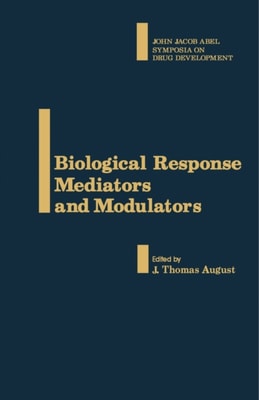
Biological Response Mediators and Modulators explains that the behavior of a cell depends upon the absorption of the ligand, the quantity of functional receptors existing for ligand recognition and binding, and the transduction of the signal through successive intercellular events.
Register for Recording Purchases and Supplies of Dangerous Drugs is a list of registration forms for use by qualified medical practitioners, dentists, veterinarians, who can possess, supply or prepare dangerous drugs in exercise of their professions.
Precious Stones: For Curative Wear; and Other Remedial Uses presents the different gem stones that is regarded as a powerful tool to cure the ailing in ancient times.
Saline Therapy: Clinical Treatises on the Pathology and Therapy of Disorders of Metabolism and Nutrition presents the influence of the sodium chloride waters on the digestion in conditions of disturbed gastric secretion as well as in diabetes, gout, and other diseases of nutrition.
Biotechnological Innovations in Health Care provides insight and information on how modern biotechnology may be applied to produce useful medicinal products.