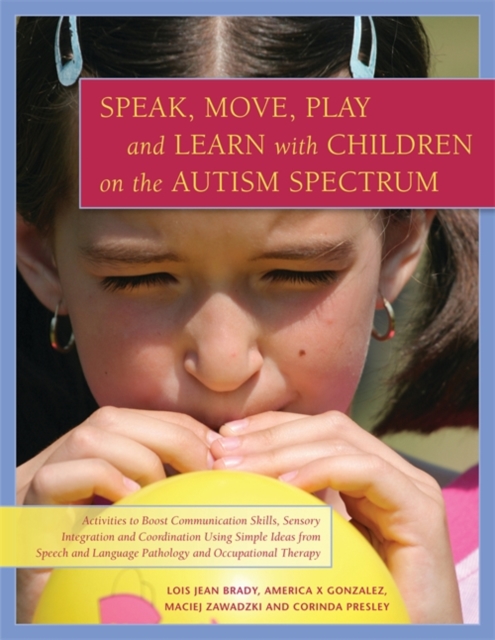
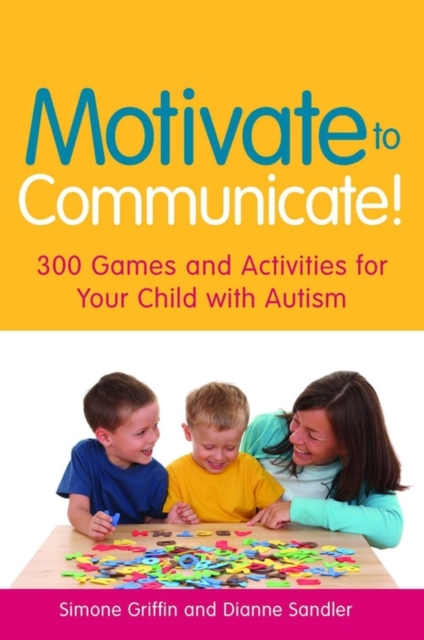
This practical resource is brimming with ideas and guidance for using simple ideas from speech and language pathology and occupational therapy to boost communication, sensory integration, and coordination skills in children on the autism spectrum.
Recognising that problems with body image are often the lead cause of eating disorders, therapists are increasingly looking for innovative and effective ways to address these issues with clients.
People living with eating disorders find it hard to take the step of choosing recovery, often because the disorder has developed as a way of `coping' with problems or stresses in the their life.
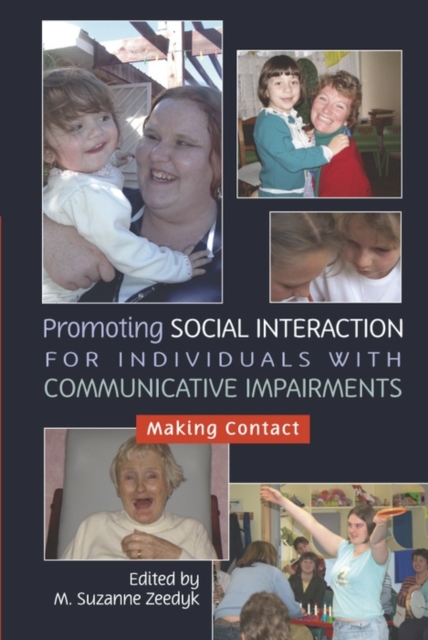
All humans have an innate need and ability to communicate with others, and this book presents successful approaches to nurturing communicative abilities in people who have some type of communication impairment.
Let Go of Emotional Overeating and Love Your Food is for anyone who would like to eat whatever they like, yet stop just at the point of satisfaction without overeating.
So nehmen Sie die Hürde: Das für Psychotherapeuten noch ungewohnte Thema Qualitätsmanagement (QM) anschaulich, nachvollziehbar und umsetzbar aufbereitet!
Die Therapie des Facio-Oralen Trakts, von Kay Coombes entwickelt, wird in der Behandlung von Patienten mit erworbenen Hirnschädigungen sehr erfolgreich eingesetzt.
Das Lehrbuch Selbstmanagement-Therapie hat mittlerweile seinen festen Platz als Standardwerk in der verhaltenstherapeutischen Ausbildung - als Basisliteratur oder als Nachschlagewerk für spezielle Themen und Fragestellungen.
Let Go of Emotional Overeating and Love Your Food is for anyone who would like to eat whatever they like, yet stop just at the point of satisfaction without overeating.
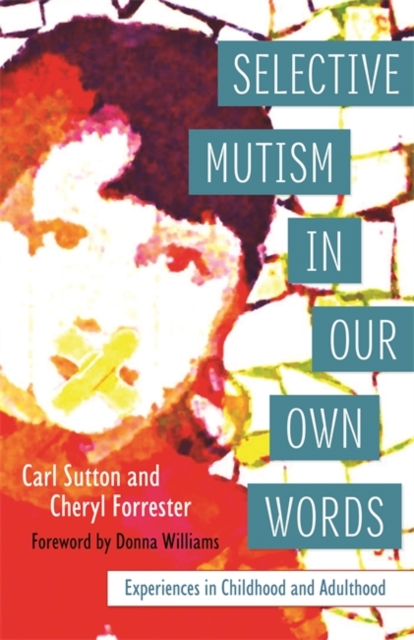
An eye-opening and enlightening collection of stories from people living with Selective Mutism (SM), this book provides a much-needed platform for people with SM to share experiences of the condition in their own words.
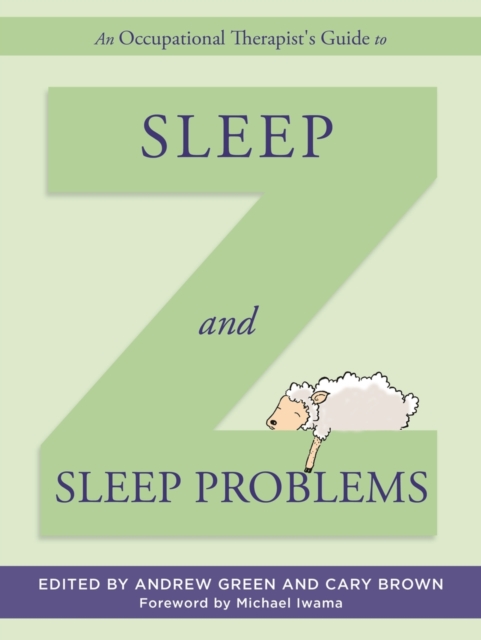
The first book written specifically on clinical applications of sleep and sleep disorder theory for occupational therapists, this book bridges the research to practice gap.
Increasing numbers of children and young people are presenting for treatment of an eating disorder, but there are many different types and they are often confused, making it difficult to know what support to offer.
An eye-opening and enlightening collection of stories from people living with Selective Mutism (SM), this book provides a much-needed platform for people with SM to share experiences of the condition in their own words.
Increasing numbers of children and young people are presenting for treatment of an eating disorder, but there are many different types and they are often confused, making it difficult to know what support to offer.
The first book written specifically on clinical applications of sleep and sleep disorder theory for occupational therapists, this book bridges the research to practice gap.
Traumatic events are more than a narrative or singular event in a person's life; the body remembers traumatic events and can experience them over and over, even after many years have passed.
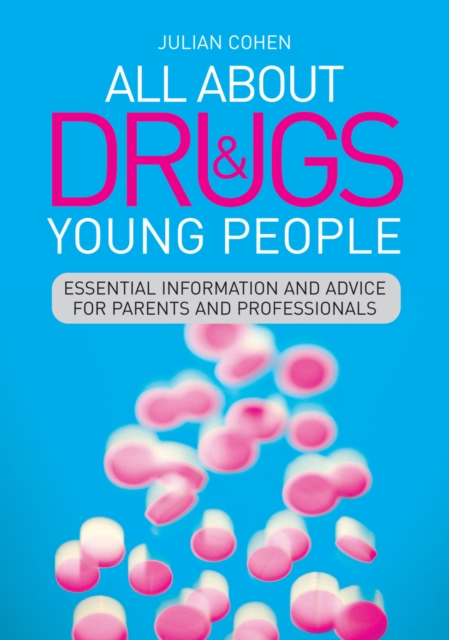
Packed with information, advice and learning activities, this book tells you what you need to know about drugs, young people's drug use, and how you can help them stay safe.
Psychodrama and other action methods are especially helpful in the treatment of the classic eating disorders as well as dieting struggles, body dissatisfaction and associated issues of fear, sadness, silence and shame.
Combining years of experience as certified speech-language pathologists and as qualified yoga teachers, the authors of this pioneering book explain how yoga can be used to aid speech-language development in children up to age 12.
Children, particularly those on the autism spectrum, are able to acquire communication skills much more easily when their learning incorporates movement.
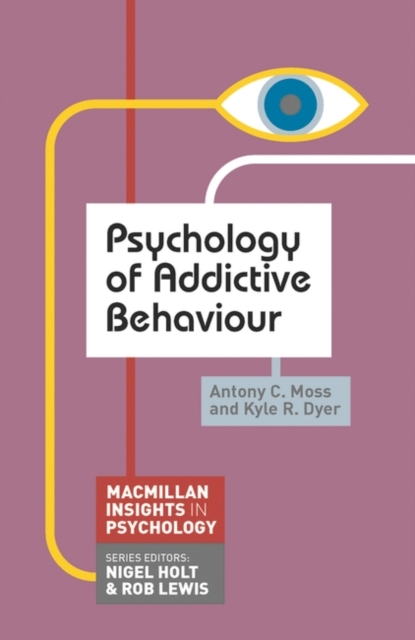
Part of the Palgrave Insights in Psychology series, this highly accessible text presents the main theories, evidence and ideas in psychology, pharmacology and medicine most useful for learning about the psychological and physical experience of addictive behaviours.
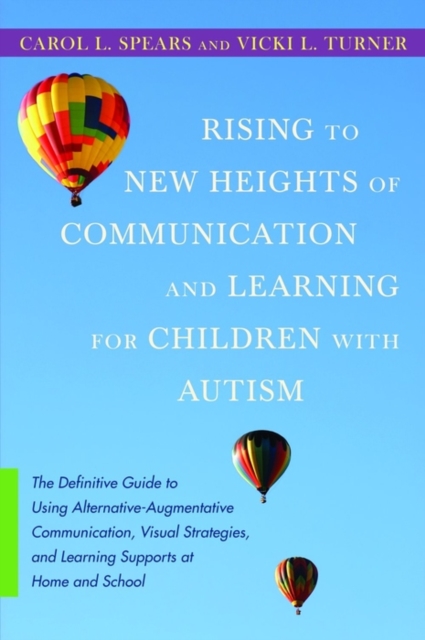
Children with pervasive developmental disorders often do not learn from conventional methods, which can result in social isolation, behavior problems, limitations in communication, and slow academic growth.