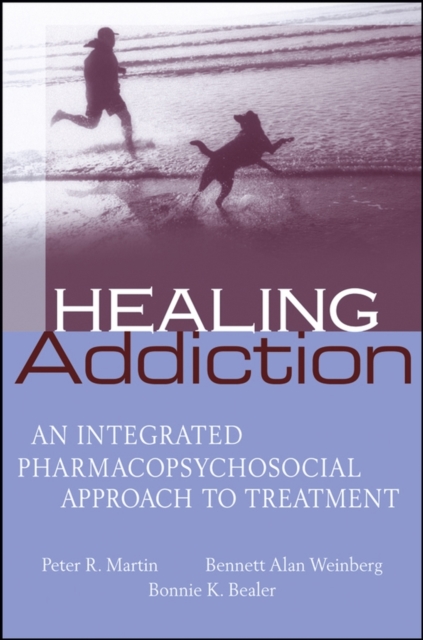
Filled with helpful resources and illuminating case studies, Healing Addiction provides you with an integrative guide to understanding and treating addiction that brings together the latest neuroscience, pharmacology, social understanding, and psychological research.
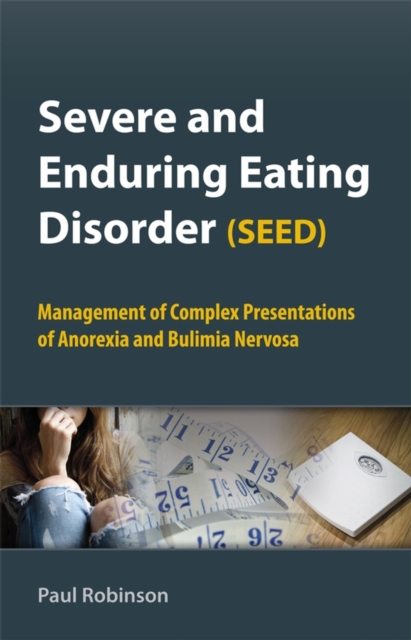
The book explores the clinical challenge of long-term eating disorders and examines the physical and psychological problems, family issues and difficulties in day-to-day living that patients with SEED can experience.
Based on a five-year research project, Therapeutic Groups for Obese Women introduces an innovative approach to overcoming the growing socio-economic burden of morbidity and mortality resulting from emotionally-driven female obesity.
Treating individuals with a substance misuse problem can be challenging, especially if clients present with multiple problems related to the main addiction.
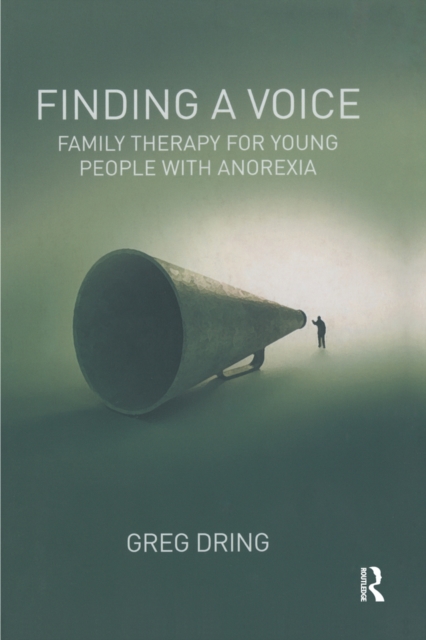
Research suggests that anorexia nervosa and other eating disorders, whilst not prevalent in the population, have the highest mortality rate of all psychological problems.
Language and Social Disadvantage critically analyses and reviews the development of language in direct relation to social disadvantage in the early years and beyond.
This is the third book in the series Children s Speech and Literacy Difficulties and is based on research and practice with school-age children with persisting speech and associated difficulties.
Previously published as two separate books for Speech and Language Therapists and for Physiotherapists, Occupational Therapists and Rehabilitation Nursing, this book has now been updated and expanded and combines the two first editions into one.
This is a concise paperback version of the authoritative and comprehensive Handbook of Eating Disorders, Second Edition, focusing on the most practical elements from that volume.
Neuroscience for Addiction Medicine: From Prevention to Rehabilitation - Methods and Interventions is the latest volume from Progress in Brain Research focusing on new trends and developments in addiction research.
Neuroscience for Addiction Medicine: From Prevention to Rehabilitation: Constructs and Drugs is the latest volume from Progress in Brain Research focusing on new trends and developments in addiction research.
Leadership in Drug and Alcohol Abuse Prevention blends the wisdom of numerous long-term professionals addressing drug and alcohol issues with helpful strategies and current science.
Leadership in Drug and Alcohol Abuse Prevention blends the wisdom of numerous long-term professionals addressing drug and alcohol issues with helpful strategies and current science.
Originally published in 1987, Aphasia Therapy surveys the approaches to aphasia treatment from throughout the world that have been taken both in the past and in the present day.
Originally published in 1987, Aphasia Therapy surveys the approaches to aphasia treatment from throughout the world that have been taken both in the past and in the present day.
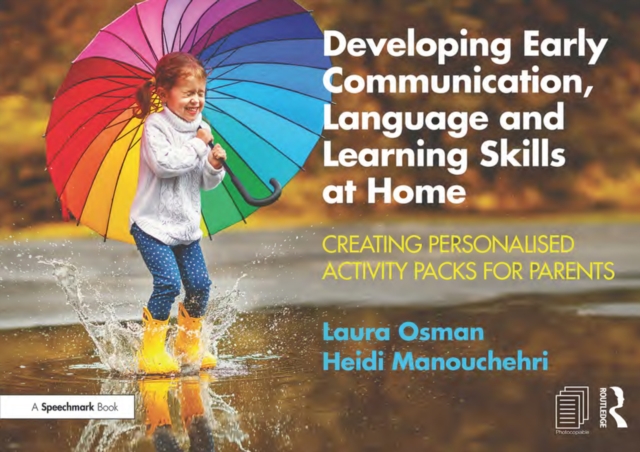
Developing Early Communication, Language and Learning Skills at Home is full of tried-and-tested, practical activities for children developing their communication, language and learning skills including those with special educational needs and disabilities.
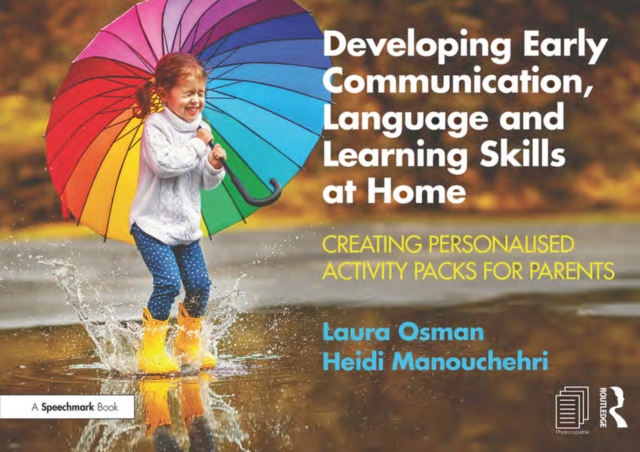
Developing Early Communication, Language and Learning Skills at Home is full of tried-and-tested, practical activities for children developing their communication, language and learning skills including those with special educational needs and disabilities.
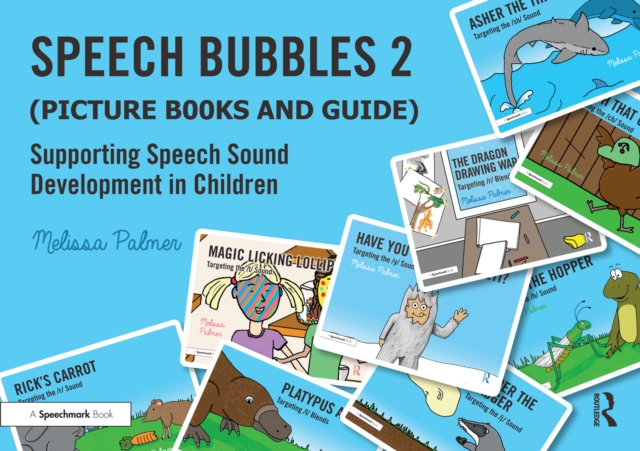
Speech Bubbles 2 is the second set in a series of picture books designed to be used by those working with children who have delayed or disordered speech sound development, children receiving speech therapy or those wanting to provide sound awareness activities for children.
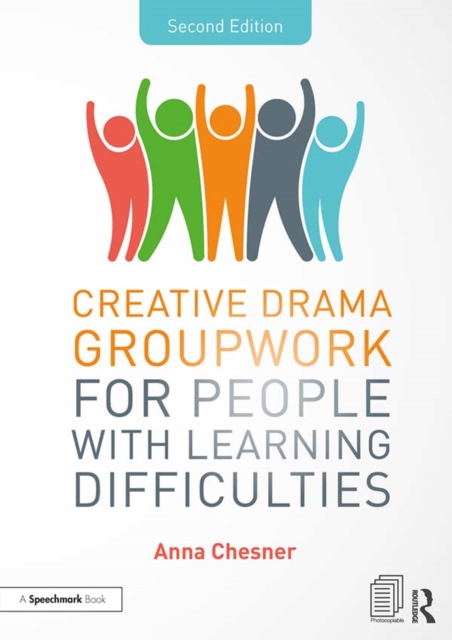
The revised second edition of this practical manual is filled with easy-to-follow exercises and activities designed to facilitate creative drama sessions for people with learning difficulties.
The revised second edition of this practical manual is filled with easy-to-follow exercises and activities designed to facilitate creative drama sessions for people with learning difficulties.
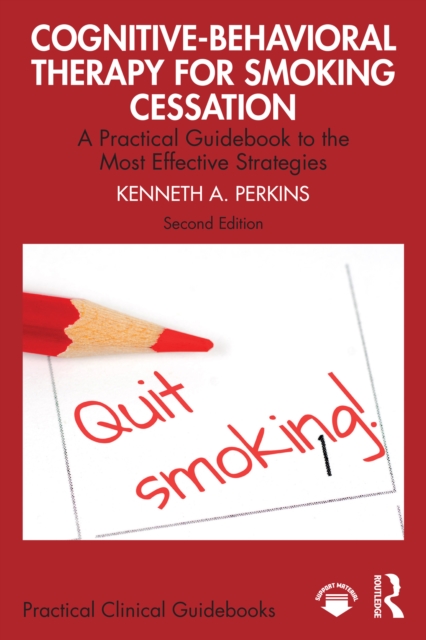
Cognitive-Behavioral Therapy (CBT) for Smoking Cessation is an essential resource for healthcare providers assisting patients in quitting tobacco smoking, presenting a structured approach that utilizes key components of CBT.
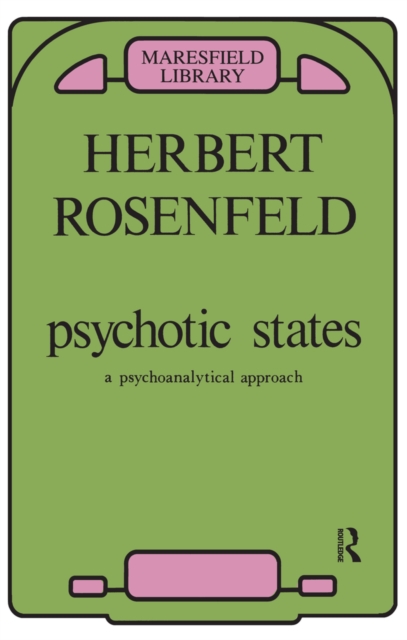
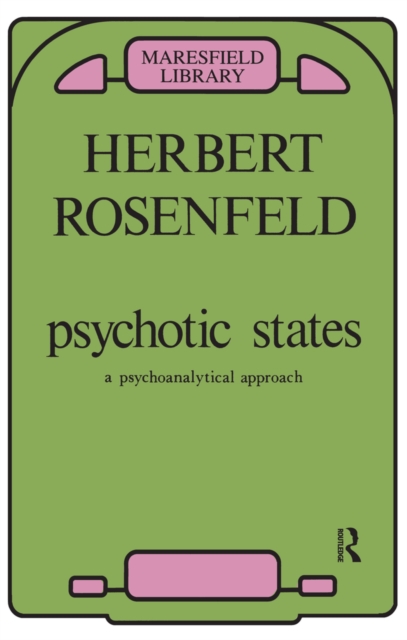
Psychotic States brings together a number of the author's papers written between 1946 and 1964 dealing with the psychopathology and treatment of various psychotic and borderline conditions from a psychoanalytic viewpoint.
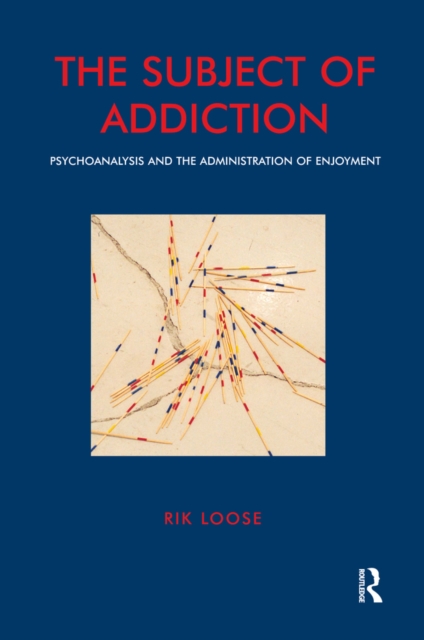
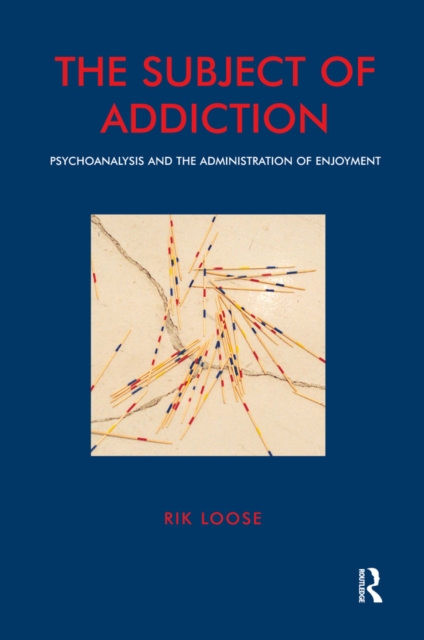
With chapters from Rik Loose, Fabian Naparstek, Patricia Gherovici, Bruce Fink, Thomos Svolos and many others, the anthology is for people interested in the topic of addictions, or in Lacanian psychoanalysis, and especially for those interested in how the two intersect.
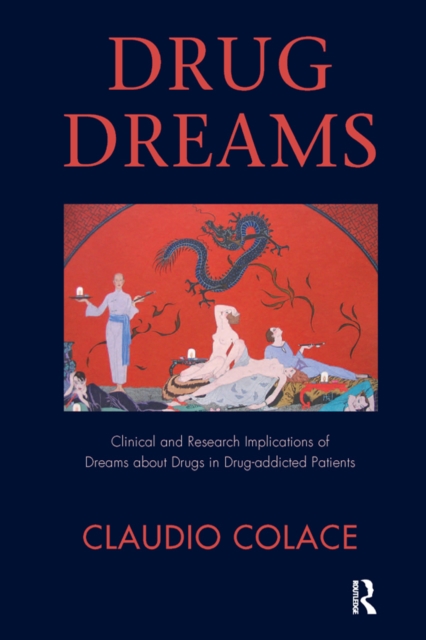
This book completes a series of clinical and experimental observations on dreams about drugs of drug-addicted patients, providing a systematic and comprehensive discussion on drug dreams that involves various fields of study and, ideally, to suggest future clinical and research applications.
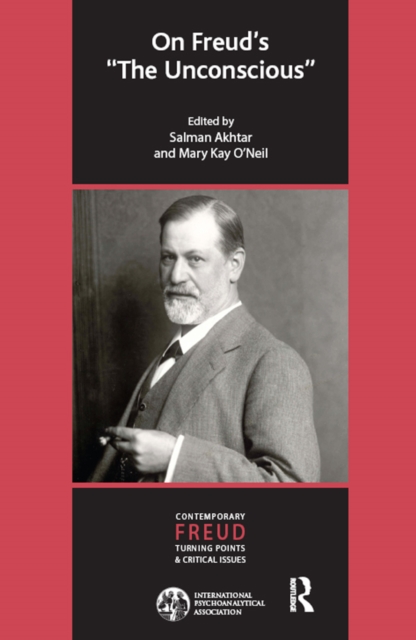
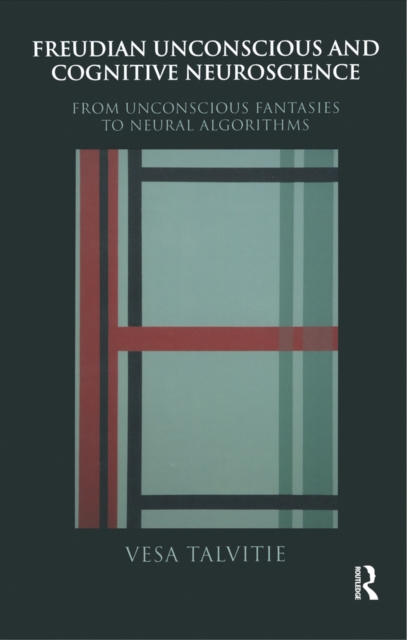
The aim of Freudian Unconscious and Cognitive Neuroscience is to create a conception of the "e;Freudian things"e; around the unconscious that takes seriously both the clinical data gathered in the scope of psychoanalytic clinical practice during the past 110 years, and the empirical and theoretical achievements of cognitive neuroscience and evolutionary theory.
This outstanding book is an important collection of papers from the 2013 John Bowlby Memorial Conference by accomplished clinicians from different modalities who share their experience of working with people with different kinds of addiction.
Psychotic States brings together a number of the author's papers written between 1946 and 1964 dealing with the psychopathology and treatment of various psychotic and borderline conditions from a psychoanalytic viewpoint.
With chapters from Rik Loose, Fabian Naparstek, Patricia Gherovici, Bruce Fink, Thomos Svolos and many others, the anthology is for people interested in the topic of addictions, or in Lacanian psychoanalysis, and especially for those interested in how the two intersect.
The aim of Freudian Unconscious and Cognitive Neuroscience is to create a conception of the "e;Freudian things"e; around the unconscious that takes seriously both the clinical data gathered in the scope of psychoanalytic clinical practice during the past 110 years, and the empirical and theoretical achievements of cognitive neuroscience and evolutionary theory.