Mental health systems are in a crucial transition period, thanks to the increasing prominence of health promotion theory and a corresponding shift toward emphasizing wellness and empowerment, holistic and family-friendly design, and empirically supported treatment.
Mental Health Informatics offers a comprehensive examination of contemporary issues in mental health that focuses on the innovative use of computers and other information technology in support of patient care, education, services delivery, and research in the field of mental health services.
Assessing, Diagnosing, and Treating Serious Mental Disorders uniquely provides information that is useful across mental health, psychopathology, practice, and human behavior and development classes, particularly for psychopathology and advanced mental health practice courses.
Though recent legislation embedded with the No Child Left Behind Act and the Individuals with Disabilities Improvement Act mandates the use of evidence in school-based practice to demonstrate positive outcomes for all students, school social workers - especially those long out of school - often lack the conceptual tools to locate, evaluate, and apply evidence in order to demonstrate the effectiveness of their work.
Borderline personality disorder (BPD) has been widely viewed as a chronic disorder, which has led many clinicians to avoid treating patients with this diagnosis.
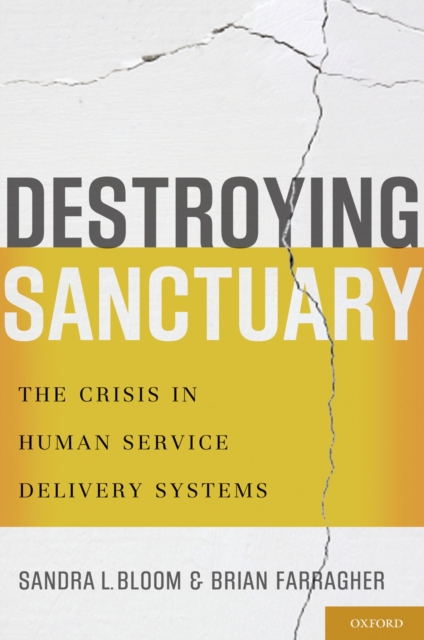
For the last thirty years, the nation's mental health and social service systems have been under relentless assault, with dramatically rising costs and the fragmentation of service delivery rendering them incapable of ensuring the safety, security, and recovery of their clients.
The growing geriatric population in the United States has created an increasing need for palliative medicine services across the range of medical and surgical specialties.
Mental health practices and programs around the world face growing criticism from policymakers, consumers, and service providers for being ineffective, overly reliant on treatment by professionals, and overly focused on symptoms.
First published in 1976, You and Your Aging Parent is a classic--the first book to shed light on the challenging relationship between adult children and their aging parents, illuminating the emotional, health, and financial difficulties that elderly parents and their children face during the senior years.
Depression has become the single most commonly treated mental disorder, amid claims that one out of ten Americans suffer from this disorder every year and 25% succumb at some point in their lives.
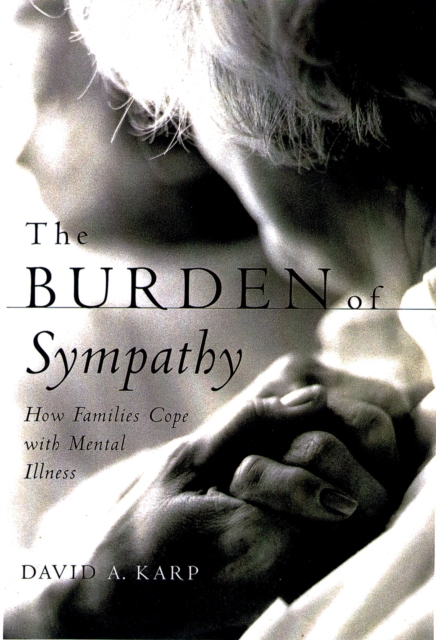
Millions of people and their families are affected by mental illness; it causes untold pain and severely impairs their ability to function in the world.
Families today often face a range of urgent problems, and practitioners need to intervene with the most effective methods possible, methods which have been tested and that have proven clinical utility.
Nancy Andreasen, a leading neuroscientist who is also Editor-in-Chief of the prestigious American Journal of Psychiatry as well as the winner of the illustrious National Medal of Science, offers here a state-of-the-art look at what we know about the human brain and the human genome--and shows how these two vast branches of knowledge are coming together in a boldly ambitious effort to conquer mental illness.
Traditional approaches to vocational rehabilitation, such as skills training classes, job clubs, and sheltered employment, have not been successful in helping people with severe mental illness gain competitive employment.
This handbook provides a comprehensive discussion of the key elements which should be part of any successful program tailored to the needs of children with diagnosable mental, behavioral, or emotional disorders.
Revered by Buddhists in the United States and China, Master Sheng-yen shares his wisdom and teachings in this first comprehensive English primer of Chan, the Chinese tradition of Buddhism that inspired Japanese Zen.
This book draws on fields as diverse as biochemistry, physiology, pharmacology, psychology, psychiatry, and ethology, to form a fascinating synthesis of information on the nature of fear and of panic and anxiety disorders.
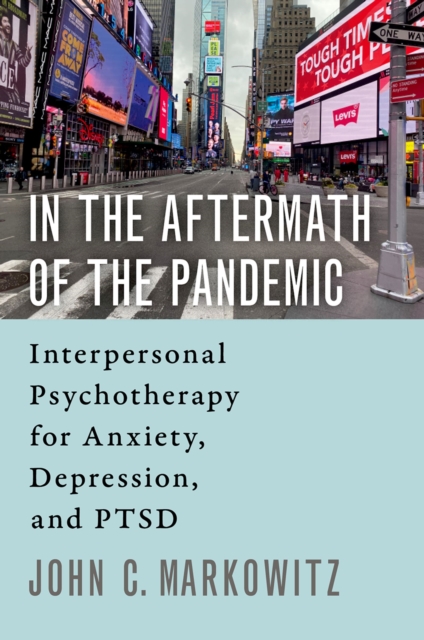
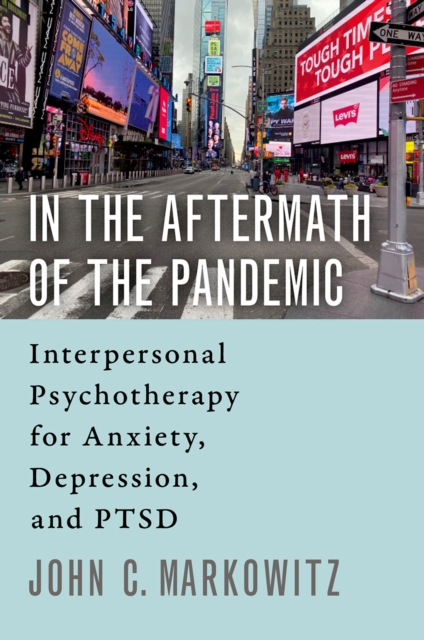
In the Aftermath of the Pandemic is an accessible treatment manual enabling psychotherapists to use Interpersonal Psychotherapy (IPT) to address the psychological consequences of the COVID-19 pandemic and other large-scale disasters.
In the Aftermath of the Pandemic is an accessible treatment manual enabling psychotherapists to use Interpersonal Psychotherapy (IPT) to address the psychological consequences of the COVID-19 pandemic and other large-scale disasters.
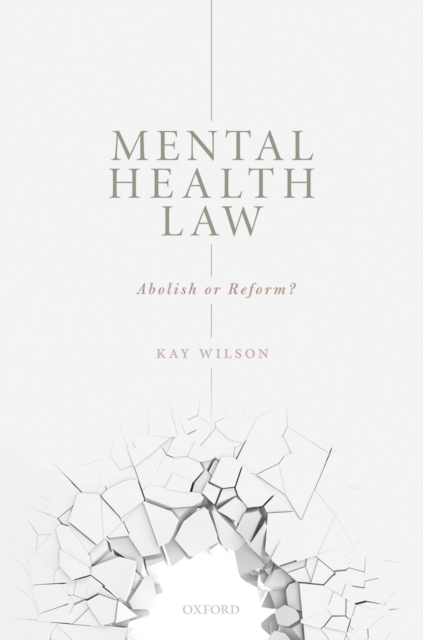
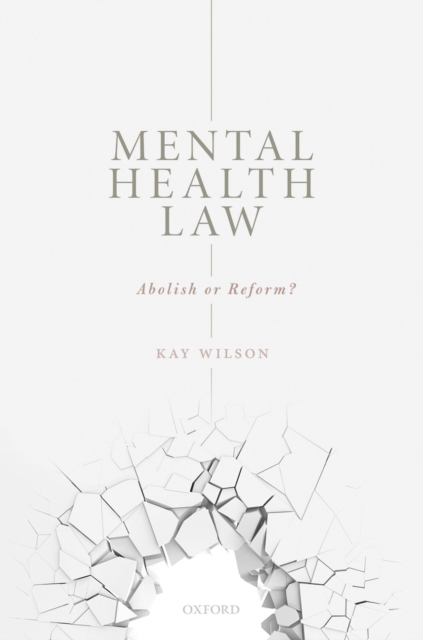
The debate about whether mental health law should be abolished or reformed emerged during the negotiations of the Convention on the Right of Persons with Disabilities (CRPD) and has raged fiercely for over a decade.
The debate about whether mental health law should be abolished or reformed emerged during the negotiations of the Convention on the Right of Persons with Disabilities (CRPD) and has raged fiercely for over a decade.
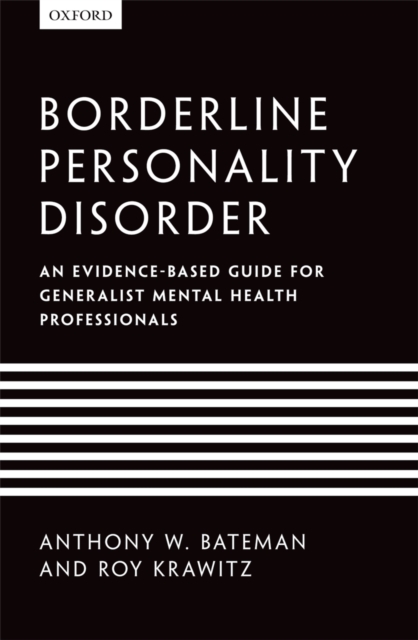
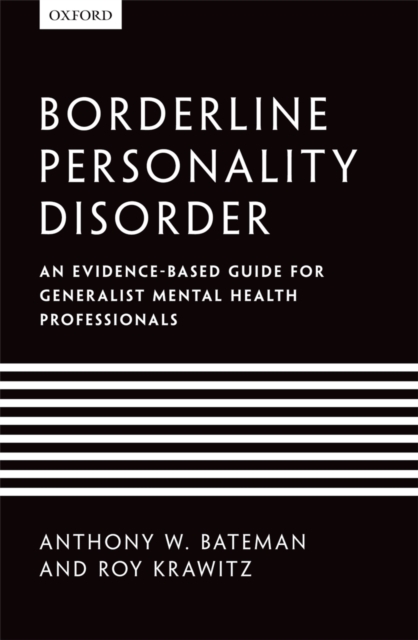
Over the past two decades considerable progress has been made in developing specialist psychosocial treatments for borderline personality disorder (BPD), yet the majority of people with BPD receive treatment within generalist mental health services, rather than specialist treatment centres.
Over the past two decades considerable progress has been made in developing specialist psychosocial treatments for borderline personality disorder (BPD), yet the majority of people with BPD receive treatment within generalist mental health services, rather than specialist treatment centres.
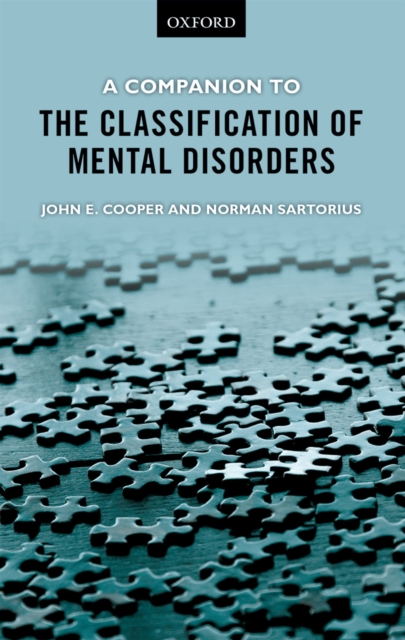
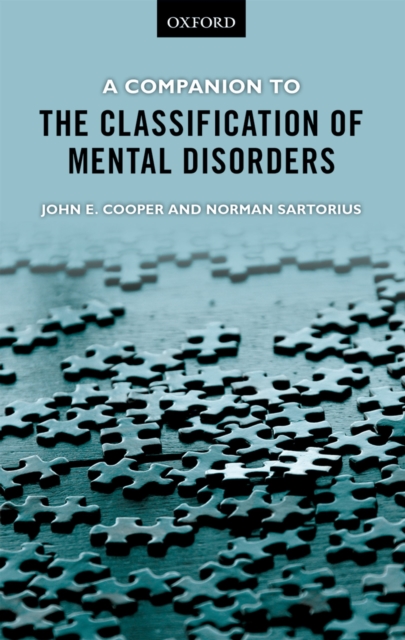
A Companion to the Classification of Mental Disorders provides essential reading as a background and supplement to both the recently produced DSM-5 and the forthcoming ICD-11.
A Companion to the Classification of Mental Disorders provides essential reading as a background and supplement to both the recently produced DSM-5 and the forthcoming ICD-11.
A Life Course Approach to Mental Disorders examines the interplay of social and biological factors in the production of a wide range of mental disorders throughout life, from the peri-natal period through to old age.
A Life Course Approach to Mental Disorders examines the interplay of social and biological factors in the production of a wide range of mental disorders throughout life, from the peri-natal period through to old age.