Today, under pressure from managed care companies as well as from patients who are demanding briefer and more focused treatments, therapists are creatively combining cognitive and psychodynamic approaches and obtaining unprecedented therapeutic results.
A comprehensive introduction to one of the most common psychiatric disorders, a condition that results in intrusive, irrational thoughts and/or repetitive, illogical physical or mental actions.
This book answers readers' most pressing questions about exercise and physical activity and will serve as a valuable resource to anyone interested in starting and maintaining healthy habits in this important area of health.
Written by two clinical psychologists with nearly a century of combined experience, this book explains how people who suffer from depression, anxiety, or undue anger can overcome these difficulties by allowing the normal process of grieving to occur.
Written by a clinical psychologist and illustrated with vignettes from the author's experience, this book offers a clear understanding of how suicidal thought develops, how we can help prevent death from suicide, and how suicidal people can recover and change their way of thinking.
Personality Disorder offers a comprehensive and accessible collection of papers that will be practically useful to practitioners working in secure and non-secure settings with patients who have personality disorders.
The overwhelming majority of children and young people in care today are fostered, but for some this only increases their problems through untreated trauma, ill-judged placements, poorly supported foster carersand multiple moves.
This accessible, interactive resource book encourages front-line staff working with dementia sufferers in nursing and residential settings to examine their working practice and modify it to where appropriate to meet best practice guidelines.
This comprehensive guide provides overviews of the key psychological processes affecting mental health, such as development, attachment, emotion regulation and attention, and draws out the implications for preventive measures and promotion of emotional well-being.
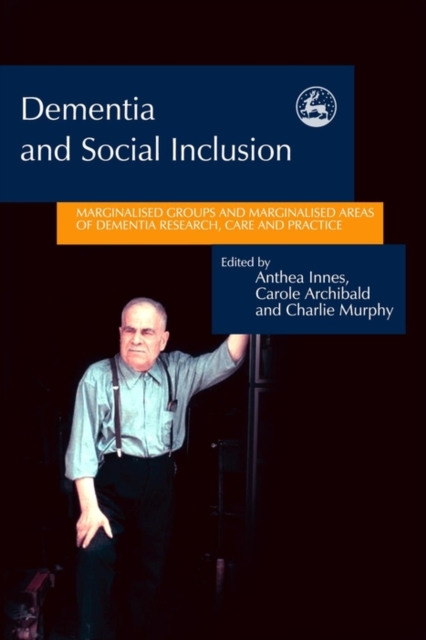
Examining important issues in dementia research and care that are often neglected or marginalized, the contributors to this book provide fresh perspectives on current practice.
As new techniques and approaches to supervision attract interest within therapy-related professions, the contributors to this informative book consider the nature of a supervision and examine the ways in which it can be further defined and developed.
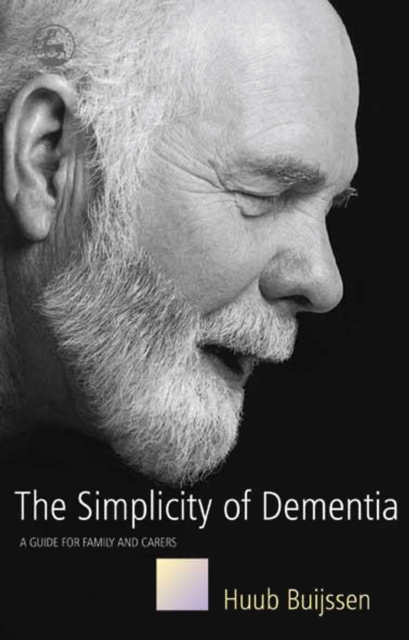
This book offers an accessible and sympathetic introduction for relatives, carers and professionals looking after or training to work with people with dementia.
The first book to address the increasingly urgent need for information about psychiatric problems in people with autism spectrum disorders (ASDs), Mental Health Aspects of Autism and Asperger Syndrome systematically explains the emotional and psychological difficulties that are often encountered with ASDs.
Offering practical advice for arts therapists and health care professionals, this book emphasizes the importance of putting the individual before the illness to provide holistic, person-centred support for people with dementia.
Spending a week doing nothing but exploring the possibilities of Lego, thereby risking yet another job; impulsively sinking all his savings into wildly impractical self-employment ventures; sleepless nights, gripped by the need to write - these are just some manifestations of the often damaging periods of manic, uninhibited energy Brian Adams has experienced since his mid-twenties.
Spirituality, religious belief and inclusive faith communities are important for mental well being but mental health practitioners have few guidelines for acknowledging these issues when working with service users.
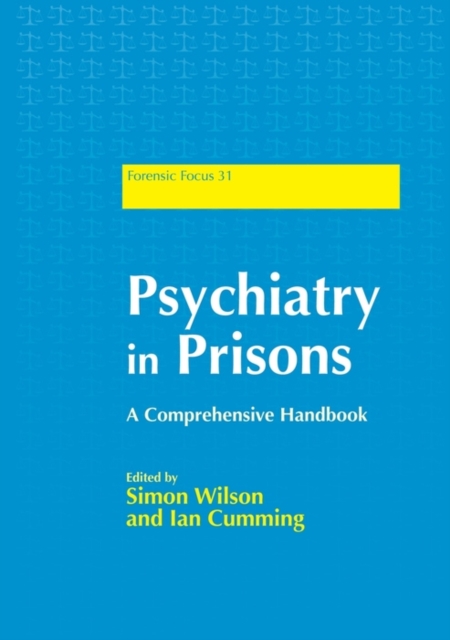
Psychiatry in Prisons provides a comprehensive overview of the history, problems and development of psychiatric health care in prisons, focusing particularly on the UK.
Psychiatry in Prisons provides a comprehensive overview of the history, problems and development of psychiatric health care in prisons, focusing particularly on the UK.
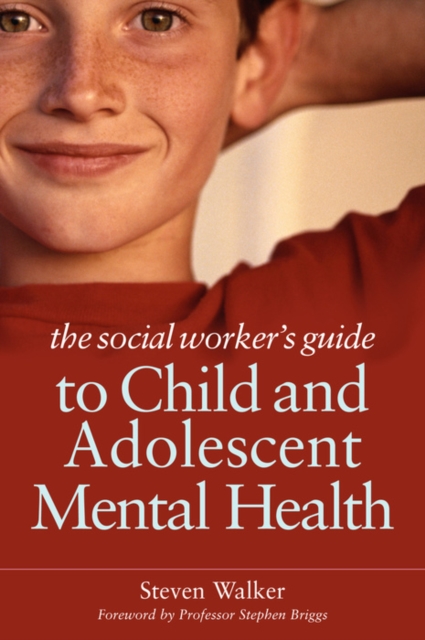
The Social Worker's Guide to Child and Adolescent Mental Health provides a comprehensive guide to working with children and young people who are experiencing mental health problems, and equips the reader with the knowledge and skills to provide the best service to these vulnerable young people.
Endangered Private Practice explains how health care reform, driven by the Affordable Health Care Act of 2010, affects and will be affecting those providers within the delivery system section of health care.
The Disappearing Male by Joan Lachkar, PhD, provides a psychoanalytic/psychodynamic description of eight different kinds of men who "e;disappear"e; from relationships without warning or explanation.
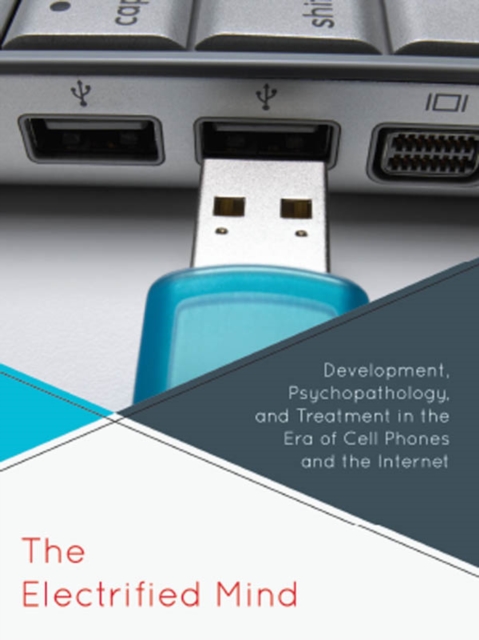
The Electrified Mind helps therapists understand and empathize with patients who rely heavily upon cell phones and the internet for the purposes of self-expression as well as for defensive avoidance of actual interpersonal contact.
Mental health is the one area of health care where people are often treated against their will, with the justification that it is in their own interest.
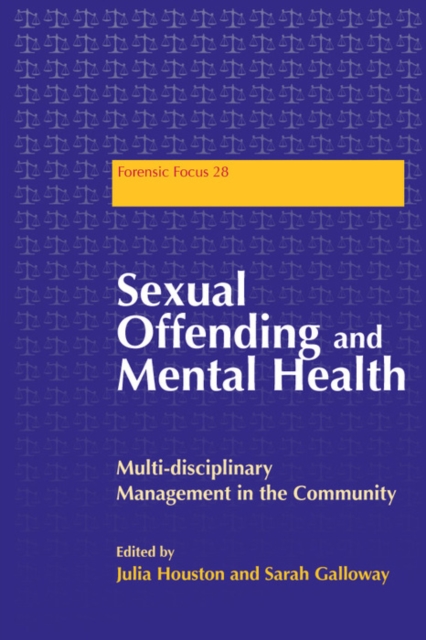
Sexual Offending and Mental Health draws together theoretical, clinical and mental health issues for the range of professionals working in the community and in-patient settings with sex offenders and those who have behaved in sexually inappropriate ways.
The correlation between 'disengagement' and illness in people with dementia living in long-term care settings is becoming more widely recognised, and developing and adapting front-line staff responses to the changing needs of individuals is a crucial factor in addressing this problem.
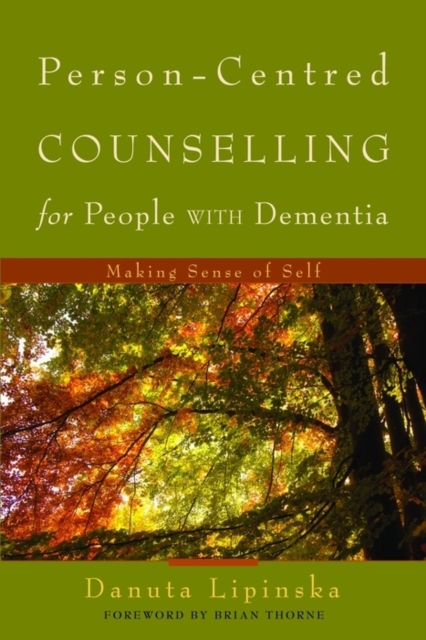
Although currently many people with dementia are not given the opportunity to receive professional counselling, this book explores the value of counselling for men and women living with this condition and how it enables them to make sense of their lives and their notions of themselves.
For the increasing number of people diagnosed with dementia each year, treatment in the early stages can make a significant difference to their quality of life.
Sexual Offending and Mental Health draws together theoretical, clinical and mental health issues for the range of professionals working in the community and in-patient settings with sex offenders and those who have behaved in sexually inappropriate ways.