First published in 1972, A History of the Mental Health Services is a revised and abridged version of both Lunacy, Law and Conscience and Mental Health and Social Policy, rewriting the material from the end of the Second World War to the passing of the Mental Health Act 1959, and adding a new section which runs from 1959 to the Social Services Act 1970.
First published in 1972, A History of the Mental Health Services is a revised and abridged version of both Lunacy, Law and Conscience and Mental Health and Social Policy, rewriting the material from the end of the Second World War to the passing of the Mental Health Act 1959, and adding a new section which runs from 1959 to the Social Services Act 1970.
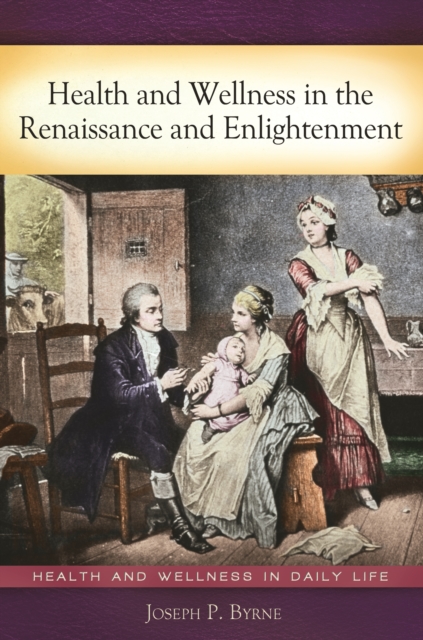
Examining a 300-year period that encompasses the Scientific Revolution, this engrossing book offers a fresh and clearly organized discussion of the human experience of health, medicine, and health care, from the Age of Discovery to the era of the French Revolution.
Profiling 60 medical innovations and milestones from the 11th through 21st centuries, this book highlights the people and stories behind these key moments while also exploring their historical context and enduring legacy.
This encyclopedia provides 300 interdisciplinary, cross-referenced entries that document the effect of the plague on Western society across the four centuries of the second plague pandemic, balancing medical history and technical matters with historical, cultural, social, and political factors.
Psychiatrie in der DDR wird bis heute widersprüchlich wahrgenommen: Während viele Patientinnen und Patienten ihre Behandlung als wenig individualisiert wahrnahmen, engagierten sich viele professionell Agierende im Klinikalltag, der häufig von einer desolaten materiellen Lage geprägt war, bis an ihre Grenzen.
The dark history of eugenic thought in Germany from the nineteenth century to todayand the courageous countervoicesBetween 1939 and 1945, Nazi genocide claimed the lives of nearly three hundred thousand people diagnosed with psychiatric illness or cognitive deficiencies.
A history of masks protecting against bad air-in cities, factories, hospitals, and war trenches-exploring how our identities and beliefs shape the decision to wear a mask For centuries, humans have sought to protect themselves from harmful air, whether from smoke, dust, vapors, or germs.
This unique, interdisciplinary book critically examines the important roles that witness accounts from healthcare professionals have played in testifying to historical instances of genocide, mass killing, epidemic disease, and natural disaster over the past century.
This book examines the global history of allegedly scientific "e;mechanical"e; cures commonly used to combat internal and chronic diseases and explores how and why the professional demarcation between orthodox and irregular medicine evolved.
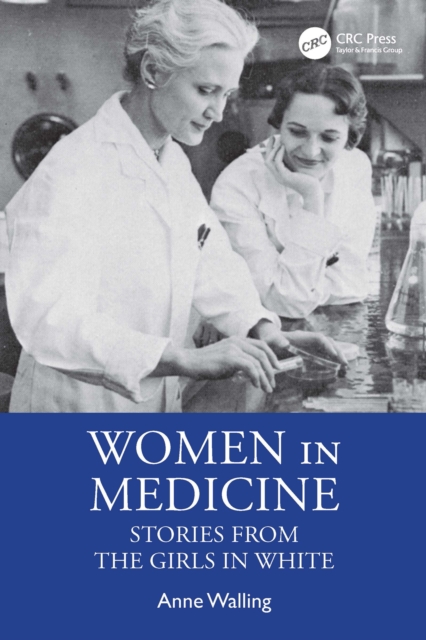
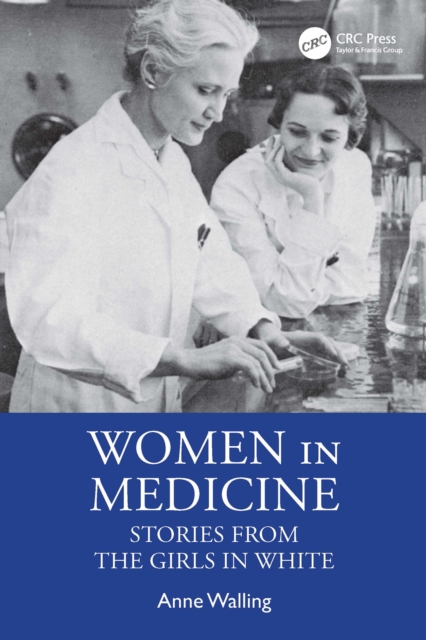
In telling the history of women in medicine, the pioneers (especially the turbulent ones) are rightly remembered and celebrated in books, articles, memorials, awards, names of buildings, and organizations - even in stone statues and memorials.
In telling the history of women in medicine, the pioneers (especially the turbulent ones) are rightly remembered and celebrated in books, articles, memorials, awards, names of buildings, and organizations - even in stone statues and memorials.
Fujimoto, Homei, and Nakamura bring together the perspectives of women engaging in professional medical work across the expanse of the modern Japanese Empire (1868-1945).
Das Organon der Heilkunst besteht in der sechsten Auflage von 1842 aus einem Vorwort Hahnemanns, einer Einleitung und 291 Paragraphen, in denen die Prinzipien des Heilens und der Homöopathie dargestellt werden.
Beim Affenprozess handelt es sich um einen Prozess vor einem Gericht in Dayton, Tennessee, im Jahr 1925, bei dem ein im selben Jahr verabschiedetes Gesetz getestet wurde, welches verbot, Theorien zu lehren, die der Bibel in Bezug auf die Entstehungsgeschichte der Menschheit widersprechen.
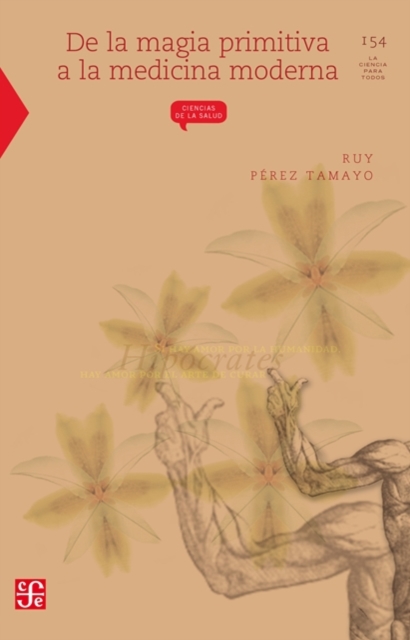
En esta documentada historia de la medicina, el doctor Ruy Pérez Tamayo se remonta a los pueblos más antiguos, en los que predominaba el pensamiento mágico y las enfermedades eran curadas por sacerdotes, brujos o chamanes.