The dark history of eugenic thought in Germany from the nineteenth century to todayand the courageous countervoicesBetween 1939 and 1945, Nazi genocide claimed the lives of nearly three hundred thousand people diagnosed with psychiatric illness or cognitive deficiencies.
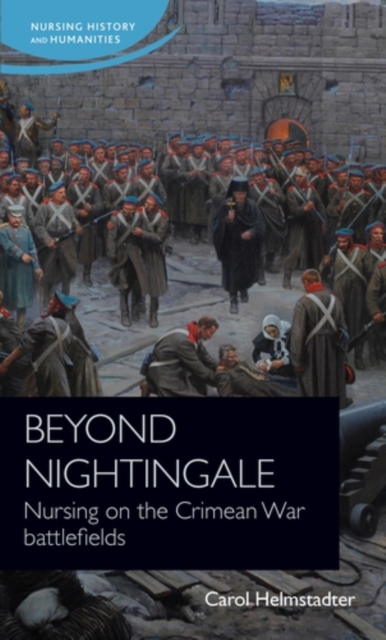
Beyond Nightingale is the first book to explore the inception of modern nursing from a transnational perspective, studying the development of the new military nursing in the five Crimean War armies.
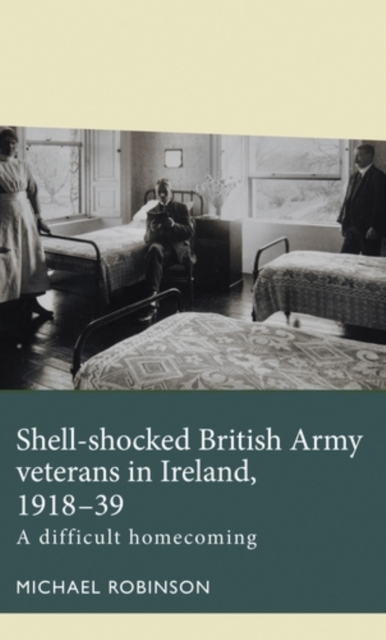
With a focus on mental illness, Shell-shocked British Army veterans in Ireland provides the first in-depth investigation of disabled Great War veterans in Ireland.
This book tells the story of German nurses who, directly or indirectly, participated in the Nazis' "e;euthanasia"e; measures against patients with mental and physical disabilities, measures that claimed well over 100,000 victims from 1939 to 1945.
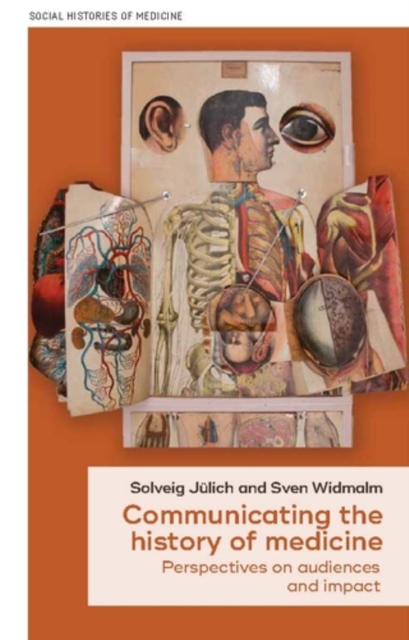
This book is situated in the field of medical humanities, and the articles continue the dialogue between the disciplines of literature and medicine that was initiated in the 1970s and has continued with ebbs and flows since then.
This ambitious book provides a comprehensive history of the World Health Organization (WHO) Global Programme on AIDS (GPA), using it as a unique lens to trace the global response to the AIDS pandemic.
This powerful history describes the daily progression of the Ebola outbreak that swept across West Africa and struck Europe and America from December 2013 to June 2016.
This book explores the treatment, administration, and experience of children and young people certified as insane in England during the nineteenth and early twentieth centuries.
Medieval Healthcare and the Rise of Charitable Institutions: The History of the Municipal Hospital examines the development of medieval institutions of care, beginning with a survey of the earliest known hospitals in ancient times to the classical period, to the early Middle Ages, and finally to the explosion of hospitals in the twelfth and thirteenth centuries.
Die Sexualgeschichte ist keine eigenständige Disziplin, sondern Teilaspekt natur-, geistes- und sozialwissenschaftlicher Fächer sowie häufiges Thema gesellschaftspolitischer Diskussionen.
This volume views the study of disease as essential to understanding the key historical developments underpinning the foundation of contemporary Indian Ocean World (IOW) societies.
This Brief takes the reader on a chemical journey by following the history for over two centuries of how an opiate became an opioid, thus spawning an empire and a series of crises.
Der Historiker Steffen Dörre hat im Rahmen eines Forschungsauftrags der DGPPN die Geschichte der psychiatrischen Fachgesellschaften in der Bundesrepublik und der DDR aufgearbeitet.
This book is an annotated translation of Xu Shuwei's (1080-1154) collection of 90 medical case records - Ninety Discussions of Cold Damage Disorders (shanghan jiushi lun ?
This short book argues for the relevance of historical perspectives on mental health, exploring how these histories can and should inform debates about mental healthcare today.
This book addresses fundamental issues about the last decades of Tsarist Russia, contributing significantly to current debates about how far and how successfully modernisation was being implemented by the Tsarist regime.
First published in 1947, Straight On is a first-hand account of the authors' work with the Red Cross in central and eastern Europe at the end of the Second World War, including their work providing medical care to survivors at Auschwitz and Belsen.
Neither Donkey nor Horse tells the story of how Chinese medicine was transformed from the antithesis of modernity in the early twentieth century into a potent symbol of and vehicle for China's exploration of its own modernity half a century later.
In recent years, emotions have become a major, vibrant topic of research not merely in the biological and psychological sciences but throughout a wide swath of the humanities and social sciences as well.
A combined history of commerce and disease, and their disturbing propensity for traveling togetherMuch as we take comfort in the belief that modern medicine and public health tactics can protect us from horrifying contagious diseases, such faith is dangerously unfounded.
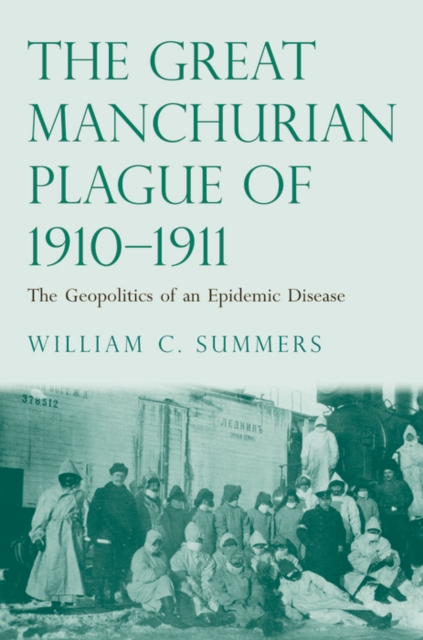
When plague broke out in Manchuria in 1910 as a result of transmission from marmots to humans, it struck a region struggling with the introduction of Western medicine, as well as with the interactions of three different national powers: Chinese, Japanese, and Russian.
This book brings together in one volume fifteen discoveries that have had a major impact upon medical science and the practice of medicine but where the scientists involved have not been awarded a Nobel Prize.
This fascinating book, which presents an early psychoanalyst’s session-by-session notes on a case of hysteria caused by severe sexual trauma and incest, offers a vivid portrait of psychoanalytic practice in the second decade of the twentieth century.
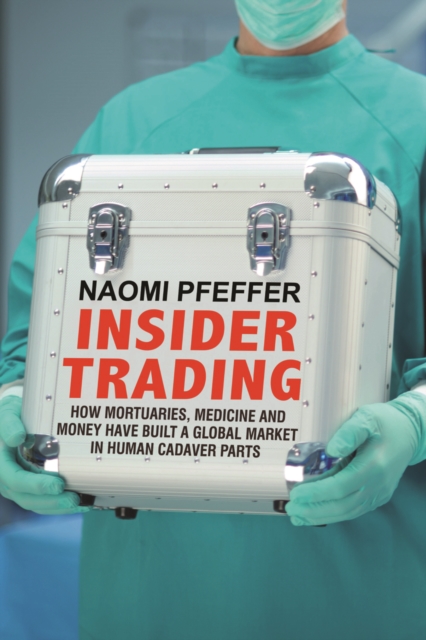
The cadaver industry in Britain and the United States, its processes and profits Except for organ transplantation little is known about the variety of stuff extracted from corpses and repurposed for medicine.
Over five centuries, a global archipelago of quarantine stations came to connect the world's oceans from the Mediterranean to the South Pacific, from Atlantic coasts to the Red Sea.