This book is an annotated translation of Xu Shuwei's (1080-1154) collection of 90 medical case records - Ninety Discussions of Cold Damage Disorders (shanghan jiushi lun ?
Medieval Healthcare and the Rise of Charitable Institutions: The History of the Municipal Hospital examines the development of medieval institutions of care, beginning with a survey of the earliest known hospitals in ancient times to the classical period, to the early Middle Ages, and finally to the explosion of hospitals in the twelfth and thirteenth centuries.
« Comme celui de Napoléon, l’art de Pasteur consistait à toujours livrer bataille au moment choisi, à l’endroit choisi, sur son terrain », déclarait François Jacob.
Grossesse, ménopause, malformations du fœtus, etc… : dans la vie d’une femme, nombreuses sont les annonces d’événements attendus ou non, parfois douloureux.
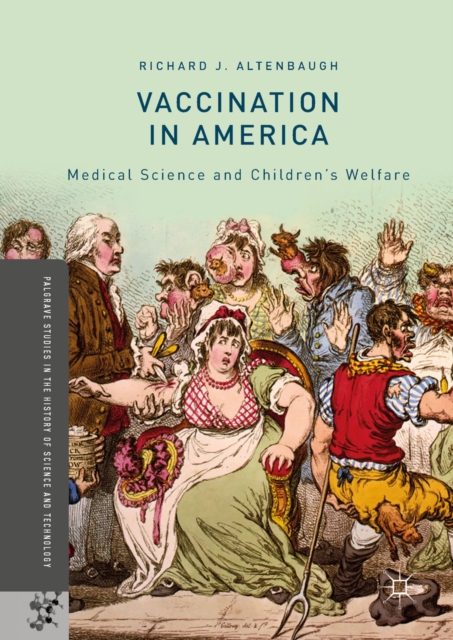
Traces the history of anti-vaxxers, from 19th-century opposition to Edward Jenner's smallpox vaccine to modern-day vaccine hesitancy and misinformation.
Extrait : "Parmi les maladies, il en est qui sont aussi individuelles que les plaies et les fractures, et qui se remarquent dans tous les temps et dans tous les lieux ; il en d'autres qui sont spéciales à certaines contrées, sans qu'il soit possible d'expliquer par quel concours de circonstances locales elles naissent dans tel district, et pourquoi elles n'en sortent pas.
Extrait : "L'histoire de la Médecine — pour répondre à l'état d'esprit actuel — ne peut plus être le récit des systèmes éphémères qui ont tour à tour gouverné l'art médical et qui représentent plutôt le tableau des variations doctrinales que celui de l'évolution progressive de la science.
Extrait : "Le Conseil supérieur de l'instruction publique, présidé par le Ministre, donne son avis sur les programmes, méthodes d'enseignement, modes d'examens, règlements administratifs et disciplinaires relatifs aux écoles publiques, le tarif des droits d'inscription d'examen et de diplôme à percevoir dans les établissements d'enseignement supérieur, chargés de la collation des grades, ainsi que les conditions d'âge pour l'admission aux grades.
In a fusion of fact and fiction, nineteenth-century women institutionalized as hysterics reveal what history ignoredCity of Incurable Women is a brilliant exploration of the type of female bodily and psychic pain once commonly diagnosed as hysteriaand the curiously hysterical response to it commonly exhibited by medical men.

This is the only handbook for hospice and palliative care professionals looking to enhance their care delivery or their programs with LGBTQ-inclusive care.

This innovative care program blends nursing care and meaningful activities to promote peaceful and relaxing end-of-life experiences for older adults with late-stage dementia.
"e;At a time when there is considerable interest in the palliative care needs of people with advanced dementia, this 'tour de force' on the development/psycho-metric testing of 11 tools (all included) will be invaluable to both researchers and practitioners wanting to develop better care.
Viet Nam may be the only war we ever fought, or perhaps that was ever fought, in which the heroism of the American soldier was accompanied by humanitarianism unmatched in the annals of warfare.
Since publication of the initial version of Plagues & Poxes in 1987, which had the optimistic subtitle "e;The Rise and Fall of Epidemic Disease,"e; the rise of new diseases such as AIDS and the deliberate modification and weaponization of diseases such as anthrax have changed the way we perceive infectious disease.
In the Arms of Morpheus is the shocking story of how a simple but bewitching substance touted as a miracle drug enslaved unwitting generations of nineteenth-century writers, artists and ordinary citizens.
Palliative Care: Learning in Practice is an interactive textbook based on models of open learning, action learning, work-based learning, critical companionship and reflective practice.
Baragwanath Hospital, Soweto illustrates how this rapidly growing, underfunded but surprisingly effective institution found the niche that allowed it to exist, to provide medical care to a massive patient body and at times even to flourish in the apartheid state.
Plague in the Early Modern World, now in a second edition, presents a broad range of primary source materials from Europe, the Middle East, North Africa, China, India, and North America that explore the nature and impact of plague and disease in the early modern world.
This book examines a selection of texts to discuss how midwifery, obstetrics and women's bodies were constructed during the (long) eighteenth century, and how these material-discursive entanglements between science, medicine, literature and culture have shaped society's views of pregnancy, childbirth and reproduction.