As scientists confidently look forward to average life expectancies hitting 100+ years in some Western societies, it's easy to forget how precarious our grasp on good health has been.
A Sunday Times Book of the Year As featured on the BBC Radio 2 Book Club Dr James Barry: Inspector General of Hospitals, army surgeon, duellist, reformer, ladykiller, eccentric.
Literary muses meet medical complaints in this marvellous look at the Bard, the Bronts, Milton, Swift, Joyce, and moreThe doctor suddenly appeared beside Will, startling him.
This book examines the global history of allegedly scientific "e;mechanical"e; cures commonly used to combat internal and chronic diseases and explores how and why the professional demarcation between orthodox and irregular medicine evolved.
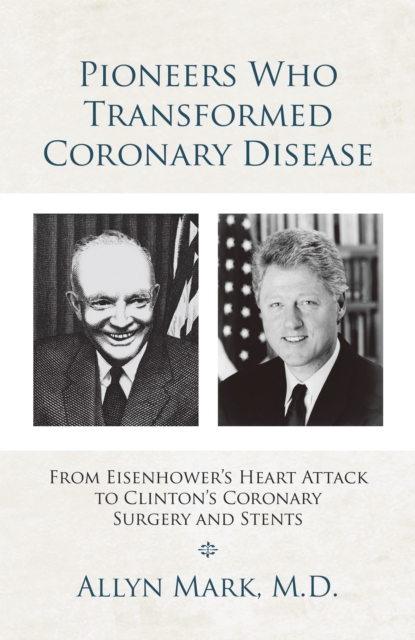
In 1955 at a time when the cold war was tense, President Eisenhower suffered a massive acute myocardial infarction (heart attack) while on vacation in Denver.
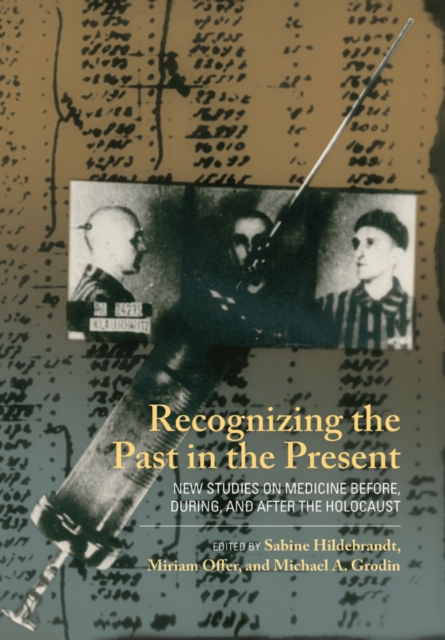
Following decades of silence about the involvement of doctors, medical researchers and other health professionals in the Holocaust and other National Socialist (Nazi) crimes, scholars in recent years have produced a growing body of research that reveals the pervasive extent of that complicity.
Although Canadian history has no shortage of stories about disasters and accidents, the phenomena of risk, upset, and misfortune have been largely overlooked by historians.
This edited volume focuses on social welfare and medicine within the French Empire and brings together important currents in both imperial history and the history of medicine.
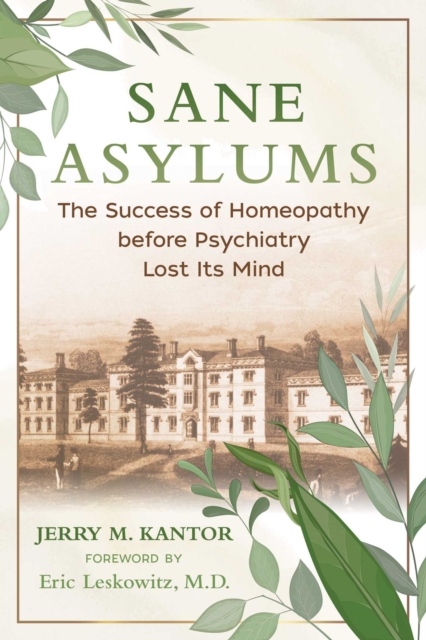
Examines the success of homeopathic psychiatric asylums in the United States from the 1870s until 1920 Focuses on New Yorks Middletown State Homeopathic Hospital for the Insane, which had a treatment regime with thousands of successful outcomes Details a homeopathic blueprint for treating mental disorders based on Talcotts methods, including nutrition and side-effect-free homeopathic prescriptions In the late 1800s and early 1900s, homeopathy was popular across all classes of society.
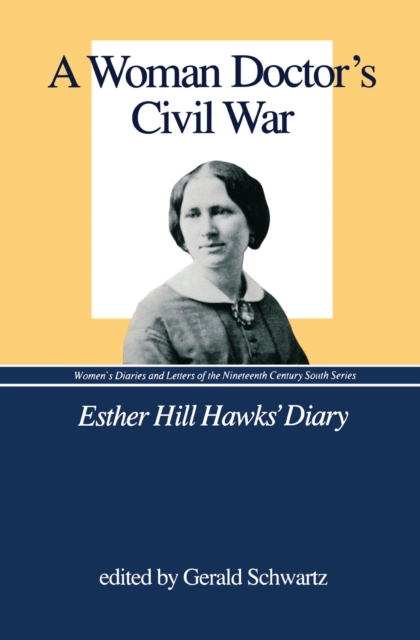
A physician, a Northerner, a teacher, a school administrator, a suffragist, and an abolitionist, Esther Hill Hawks was the antithesis of Southern womanhood.
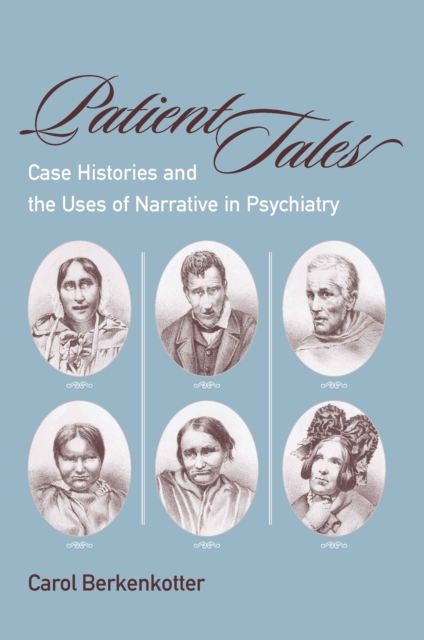
A look into communicating psychiatric patient histories, from the asylum years to the clinics of todayIn this engrossing study of tales of mental illness, Carol Berkenkotter examines the evolving role of case history narratives in the growth of psychiatry as a medical profession.
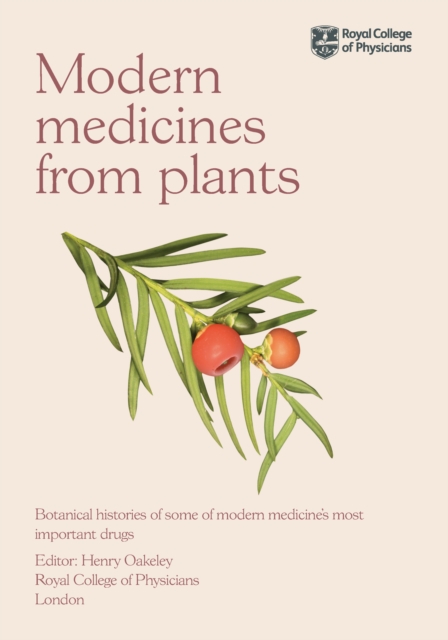
The full colour, beautifully illustrated Modern Medicines from Plants: Botanical histories of some of modern medicine's most important drugs features information on plants from which we obtain modern prescription medicines.
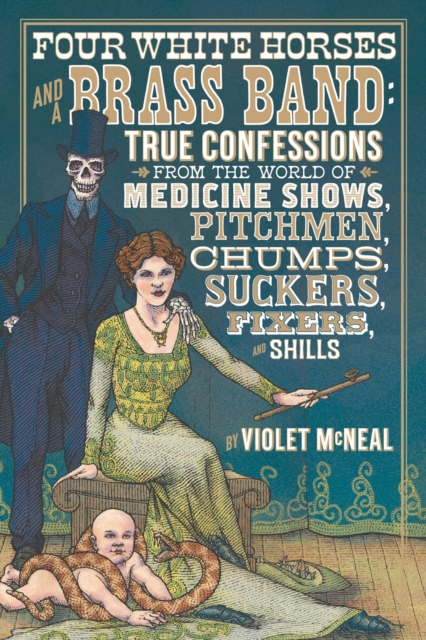
Violet McNeal ran away from her family's rural Minnesota farm in the late 1880s and fell under the spell of conman and patent medicine "e;doctor"e; Will Archimbauld who hooked her on opium and promises of fame and fortune.
No matter where you are in treatment, what side effects you may be experiencing, or your general fitness level, Pilates is a safe and effective way to help you regain flexibility, power, and endurance while relieving treatment side effects such as lymphedema, fatigue, depression, peripheral neuropathy, osteoporosis, and upper extremity impairment.
Filled with practical tips, resources and personal stories, an empowering and candid guide to dealing with cancer as a single person/p> Diagnosed with a rare form of ovarian cancer seven years ago, Tracy Maxwell understands the unique swirl of hopes and fears, insecurities and triumphs of a single person with cancer.
This monograph begins with a puzzle: a Babylonian text from late 5th century BCE Uruk associating various diseases with bodily organs, which has evaded interpretation.
This monograph begins with a puzzle: a Babylonian text from late 5th century BCE Uruk associating various diseases with bodily organs, which has evaded interpretation.
Composed while its author was the ruler of Tibet, Mirror of Beryl is a detailed account of the origins and history of medicine in Tibet through the end of the seventeenth century.
Society was not prepared in 1981 for the appearance of a new infectious disease, but we have since learned that emerging and reemerging diseases will continue to challenge humanity.
This biography of an early twentieth-century South Carolina doctor sheds light on his pioneering work with the mentally ill to combat a public health scourge.
A Family Practice is the sweeping saga of four generations of doctors, Russell men seeking innovative ways to sustain themselves as medical practitioners in the American South from the early nineteenth to the latter half of the twentieth century.
Offering an entryway into the distinctive worlds of sexual health and a window onto their spillover effects, sociologist Steven Epstein traces the development of the concept and parses the debates that swirl around it.
Teaching Clinical Research Methodology by Example has two principal objectives: (1) to tell the story of the research process in action and to provide a glimpse into the minds of the researchers responsible for some of the major advances (and setbacks) in modern medicine; (2) to explain the principles of evidence-based medicine by reviewing the research methods required to prove or disprove a theory.
The Little Book of Medical Breakthroughs explains over 100 seminal discoveries, inventions and theories that have shaped the history of medical practice.
In their efforts to utilize their medical skills and training in the service of their country, women physicians fought not one but two male-dominated professional hierarchies: the medical and the military establishments.
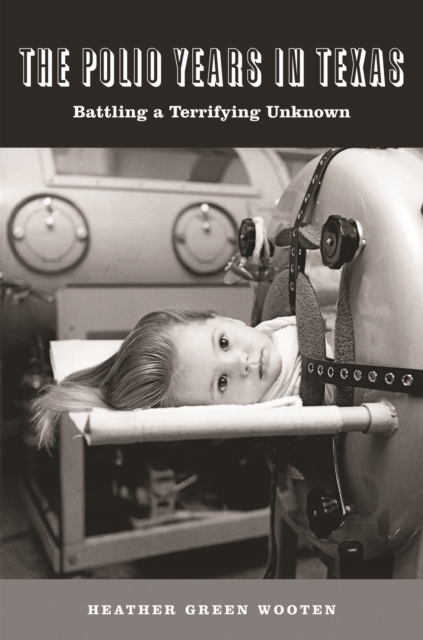
From the 1930s to the 1950s, in response to the rising epidemic of paralytic poliomyelitis (polio), Texas researchers led a wave of discoveries in virology, rehabilitative therapies, and the modern intensive care unit that transformed the field nationally.
Explore the many forms of complementary and alternative medicine (CAM) practiced today and discover their histories, guiding principles, purported benefits, and potential risks.
The American Board of Psychiatry and Neurology: Looking Back and Moving Ahead honors the 75th anniversary of the ABPN by reviewing the Board's history and evolution, describing the subspecialties and the role that certification plays in their practice, explaining the current status of the ABPN's programs, and exploring future directions.