This first Western-language translation of one of the great books of the Daoist religious tradition, the Taiping jing, or "e;Scripture on Great Peace,"e; documents early Chinese medieval thought and lays the groundwork for a more complete understanding of Daoism's origins.
This study of the Employee Retirement Income Security Act of 1974 (ERISA) explains in detail how public officials in the executive branch and Congress overcame strong opposition from business and organized labor to pass landmark legislation regulating employer-sponsored retirement and health plans.
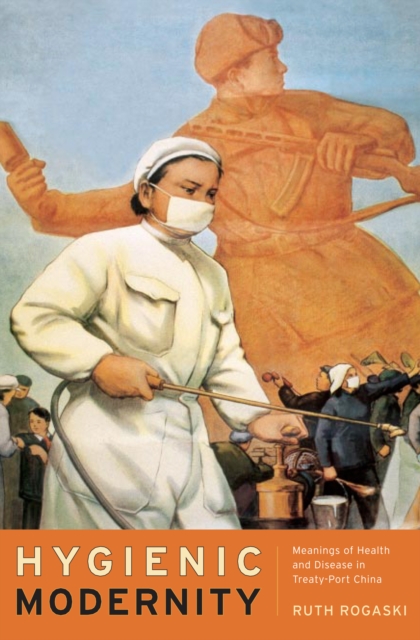
Placing meanings of health and disease at the center of modern Chinese consciousness, Ruth Rogaski reveals how hygiene became a crucial element in the formulation of Chinese modernity in the nineteenth and twentieth centuries.
Shane Crotty's biography of David Baltimore details the life and work of one of the most brilliant, powerful, and controversial scientists of our time.
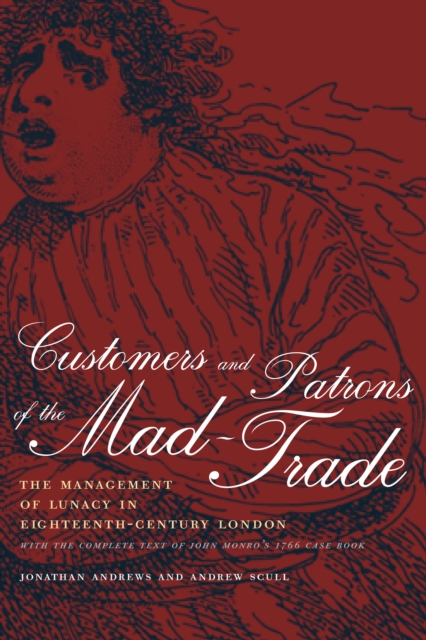
This book is a lively commentary on the eighteenth-century mad-business, its practitioners, its patients (or "e;customers"e;), and its patrons, viewed through the unique lens of the private case book kept by the most famous mad-doctor in Augustan England, Dr.
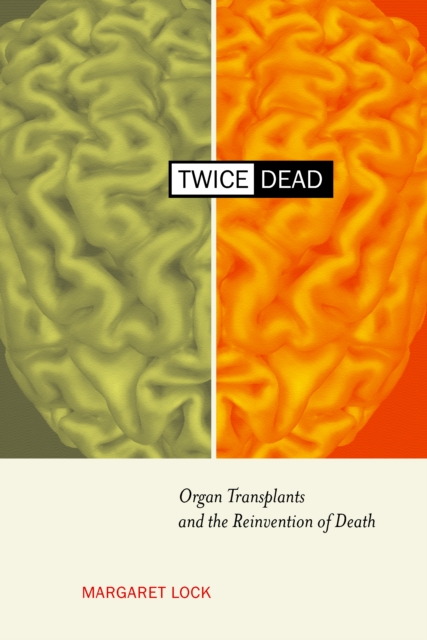
Tales about organ transplants appear in mythology and folk stories, and surface in documents from medieval times, but only during the past twenty years has medical knowledge and technology been sufficiently advanced for surgeons to perform thousands of transplants each year.
Focusing on the history of one medical field-rehabilitation medicine-this book provides the first systematic analysis of the underlying forces that shape medical specialization, challenging traditional explanations of occupational specialization.
A lively account of fluoridation and its discontents Since its first implementation in Grand Rapids, Michigan, in 1945, public drinking water fluoridation and its attendant conflicts, controversies, and conspiracy theories serve as an object lesson in American science, public health, and policymaking.
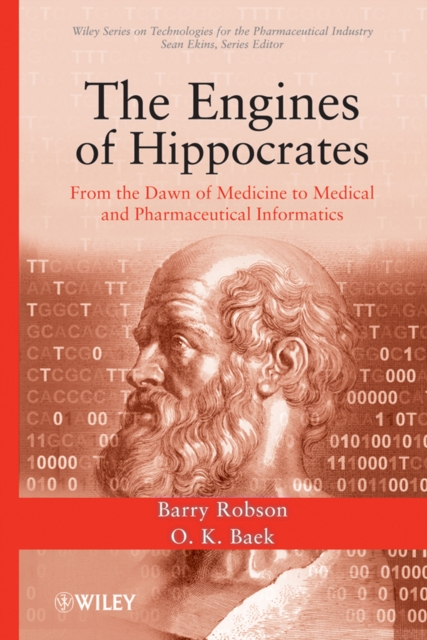
A unique, integrative look at information-based medicine The convergence of medical science, biology, pharmacology, biomedical engineering, healthcare, and information technology is revolutionizing medical and scientific practice, and has broader social implications still being understood.
If the twenty-first century seems an unlikely stage for the return of a 14th-century killer, the authors of Return of the Black Death argue that the plague, which vanquished half of Europe, has only lain dormant, waiting to emerge again—perhaps, in another form.
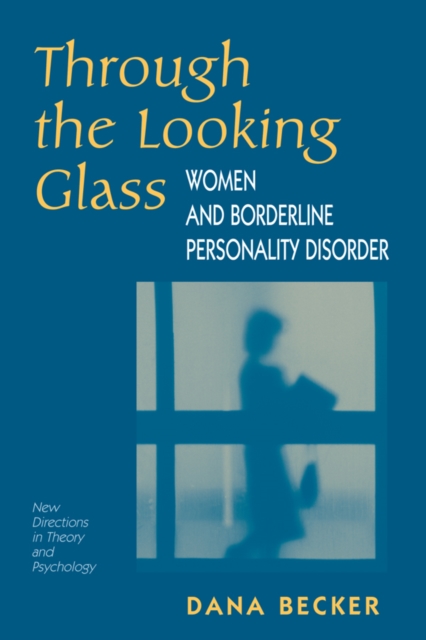
This book offers a comprehensive exploration of the relationship between gender, the experience of psychological distress that we currently call borderline personality disorder, and the borderline diagnosis as a classification of psychiatric disorder.
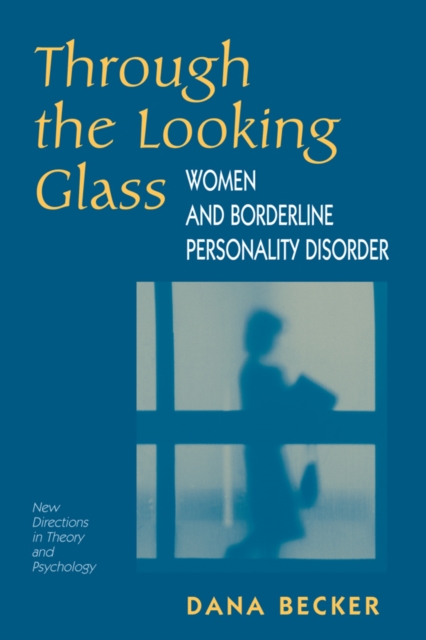
This book offers a comprehensive exploration of the relationship between gender, the experience of psychological distress that we currently call borderline personality disorder, and the borderline diagnosis as a classification of psychiatric disorder.
Originally published in 1987, Aphasia Therapy surveys the approaches to aphasia treatment from throughout the world that have been taken both in the past and in the present day.
Originally published in 1987, Aphasia Therapy surveys the approaches to aphasia treatment from throughout the world that have been taken both in the past and in the present day.
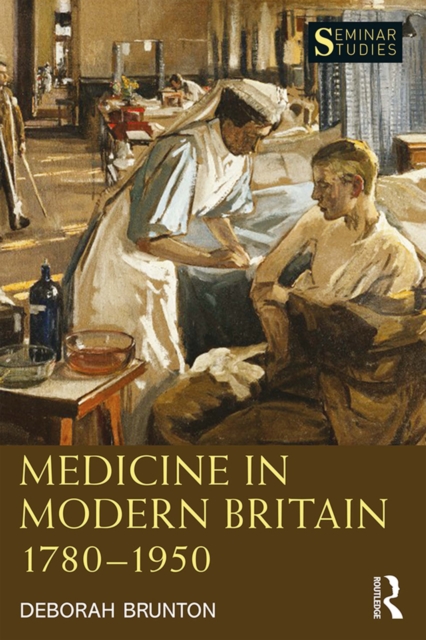
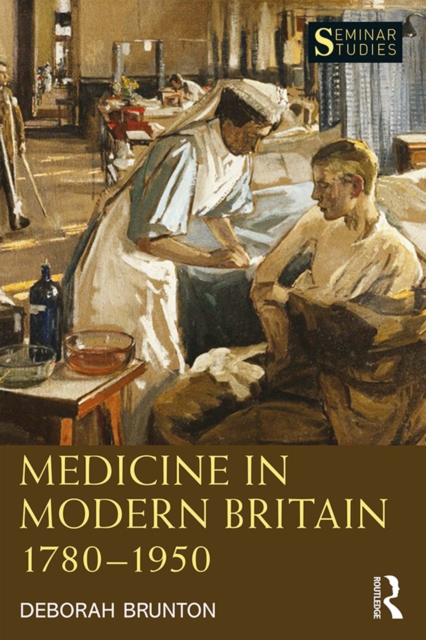
Medicine in Modern Britain 1780-1950 provides an introduction to the development of medicine - scientific and heterodox, domestic and professional - in Britain from the end of the early modern period and through modern times.
Medicine in Modern Britain 1780-1950 provides an introduction to the development of medicine - scientific and heterodox, domestic and professional - in Britain from the end of the early modern period and through modern times.
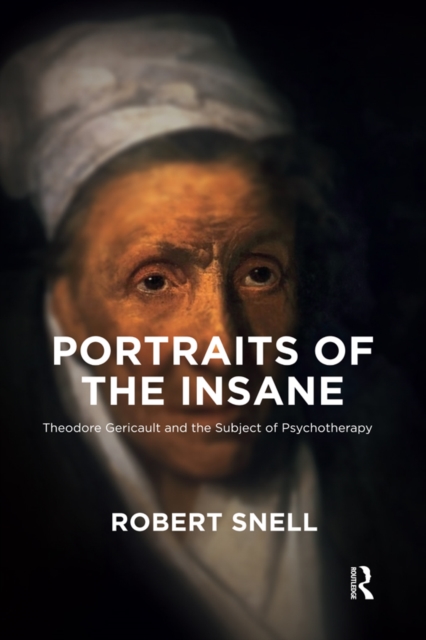
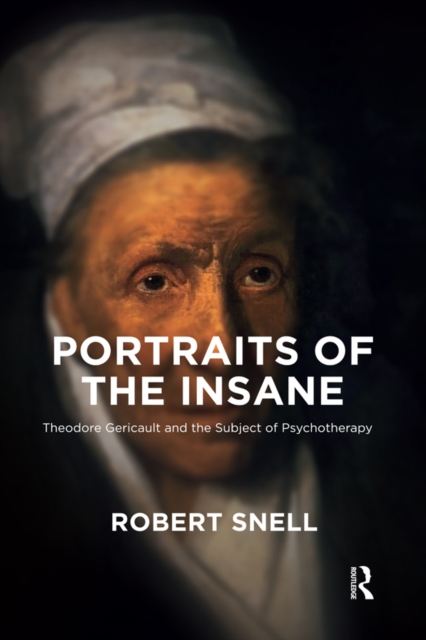
In the early 1820s, in the gloomy aftermath of the 1789 Revolution and the Napoleonic wars, the French Romantic painter Theodore Gericault (1791-1824) made five portraits of patients in an asylum or clinic.
This volume gathers a selection of psychoanalytic and group analytic essays by Trigant Burrow (1875-1950), precursor of group analysis and co-founder of the American Psychoanalytic Association.
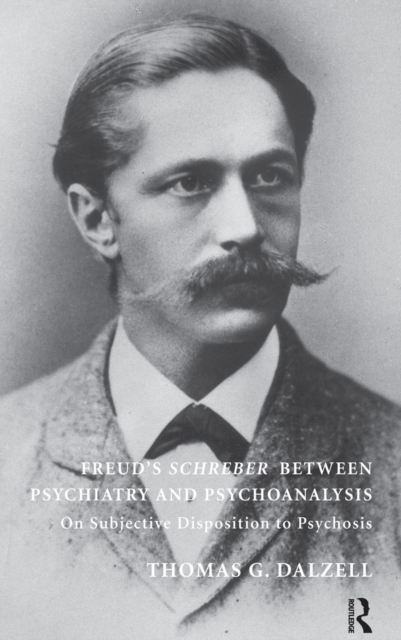
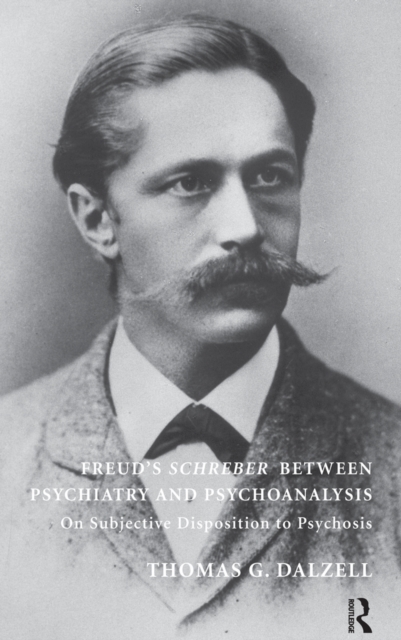
This book investigates what was distinctive about the predisposition to psychosis Freud posited in Daniel Paul Schreber, a presiding judge in Saxony's highest court.
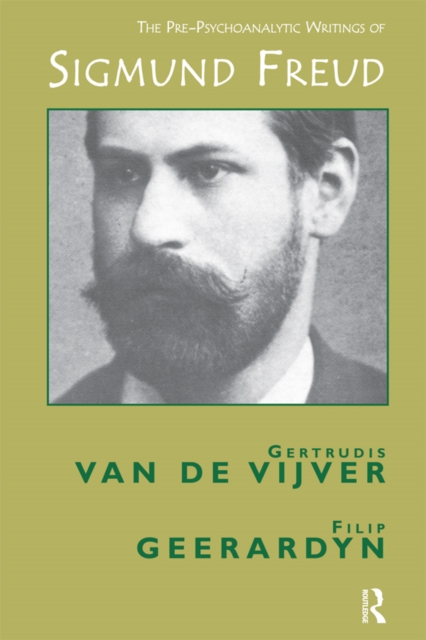
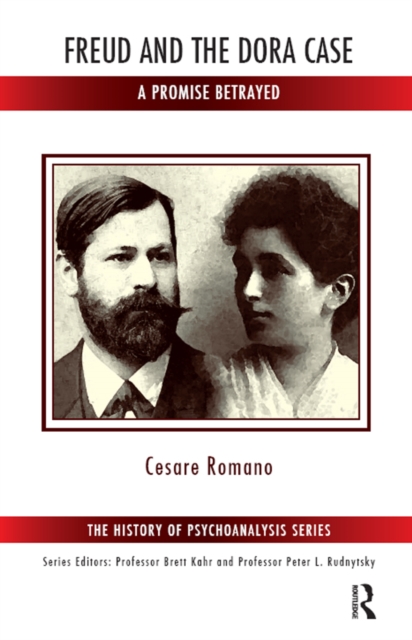
The traditional dating of the origin of psychoanalysis to 1900, when Freud published The Interpretation of Dreams, ignores the massive body of work he produced well before this date.
In the early 1820s, in the gloomy aftermath of the 1789 Revolution and the Napoleonic wars, the French Romantic painter Theodore Gericault (1791-1824) made five portraits of patients in an asylum or clinic.
This volume gathers a selection of psychoanalytic and group analytic essays by Trigant Burrow (1875-1950), precursor of group analysis and co-founder of the American Psychoanalytic Association.
This book investigates what was distinctive about the predisposition to psychosis Freud posited in Daniel Paul Schreber, a presiding judge in Saxony's highest court.
Empires of Knowledge charts the emergence of different kinds of scientific networks - local and long-distance, informal and institutional, religious and secular - as one of the important phenomena of the early modern world.
Empires of Knowledge charts the emergence of different kinds of scientific networks - local and long-distance, informal and institutional, religious and secular - as one of the important phenomena of the early modern world.
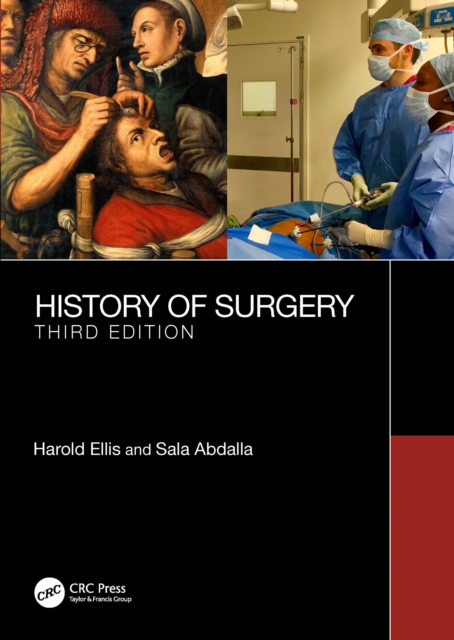
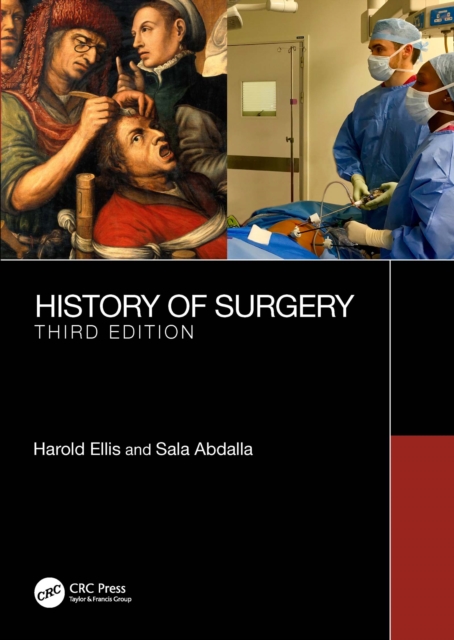
Written in a personal and engaging style, this book provides a fascinating and informative introduction to the development of surgery through the ages.
Written in a personal and engaging style, this book provides a fascinating and informative introduction to the development of surgery through the ages.
First published in 1999, this rewarding volume offers a close and systematic analysis of the General Infirmary at Bath, which was founded in 1739 to grant 'lepers and cripples, and other indigent strangers' access to the spa waters.
First published in 1999, this rewarding volume offers a close and systematic analysis of the General Infirmary at Bath, which was founded in 1739 to grant 'lepers and cripples, and other indigent strangers' access to the spa waters.
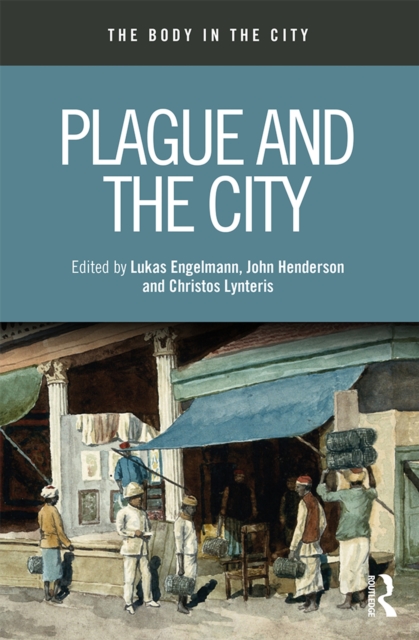
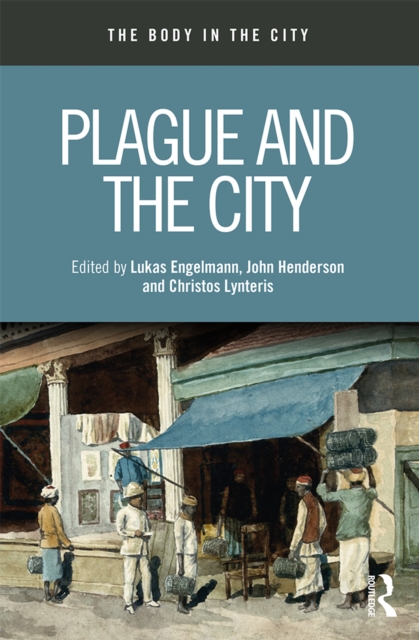
Plague and the City uncovers discourses of plague and anti-plague measures in the city during the medieval, early modern and modern periods, and explores the connection between plague and urban environments including attempts by professional bodies to prevent or limit the outbreak of epidemic disease.
Plague and the City uncovers discourses of plague and anti-plague measures in the city during the medieval, early modern and modern periods, and explores the connection between plague and urban environments including attempts by professional bodies to prevent or limit the outbreak of epidemic disease.
First published in 1998, this volume considers the Nuremberg Code in light of new ethical grey areas which have become evident due to recent scientific advancements, particularly the questions of DNA and cloning.
First published in 1998, this volume considers the Nuremberg Code in light of new ethical grey areas which have become evident due to recent scientific advancements, particularly the questions of DNA and cloning.