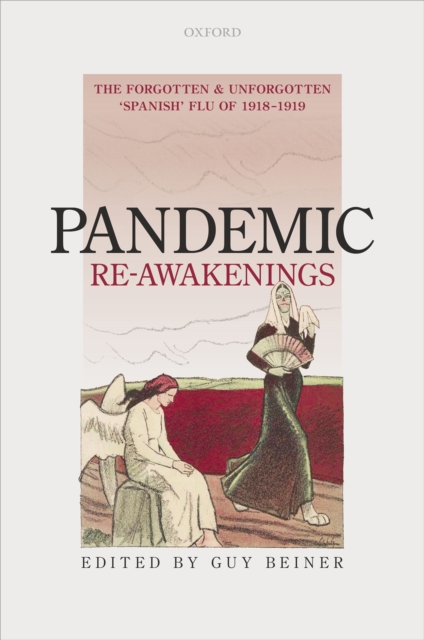
Pandemic Re-Awakenings offers a multi-level and multi-faceted exploration of a century of remembering, forgetting, and rediscovering the influenza pandemic of 1918-1919, arguably the greatest catastrophe in human history.
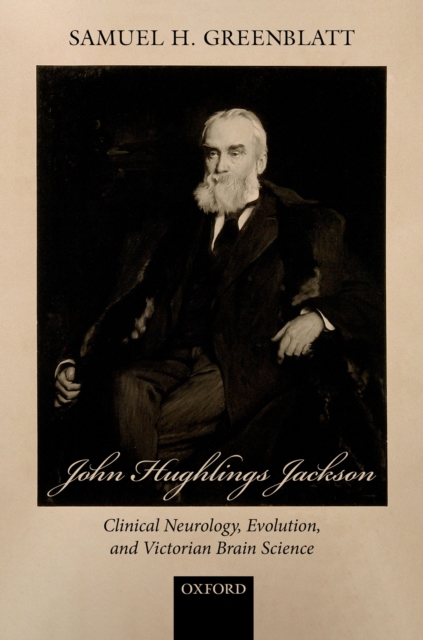
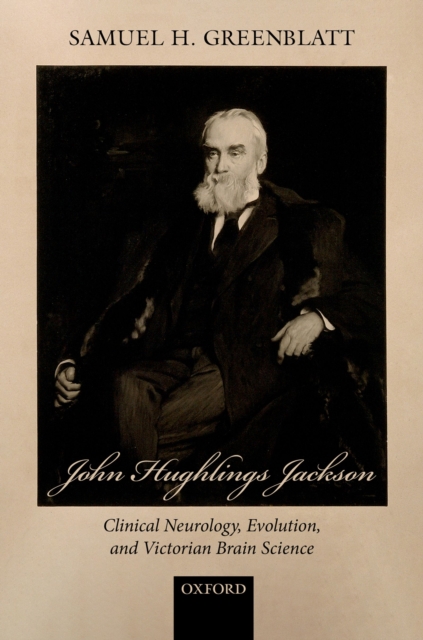
John Hughlings Jackson (1835-1911) was a preeminent British neurologist who is widely recognized today as one of the leading founders of modern clinical neurology and neuroscience.
John Hughlings Jackson (1835-1911) was a preeminent British neurologist who is widely recognized today as one of the leading founders of modern clinical neurology and neuroscience.
"e;Why I Became an Occupational Physician"e; and Other Occupational Health Stories brings together an edited collection of the short articles published in the journal Occupational Medicine between 2002 and 2018.
"e;Why I Became an Occupational Physician"e; and Other Occupational Health Stories brings together an edited collection of the short articles published in the journal Occupational Medicine between 2002 and 2018.
The Science of Starving in Victorian Literature, Medicine, and Political Economy is a reassessment of the languages and methodologies used, throughout the nineteenth century, for discussing extreme hunger in Britain.
The Science of Starving in Victorian Literature, Medicine, and Political Economy is a reassessment of the languages and methodologies used, throughout the nineteenth century, for discussing extreme hunger in Britain.
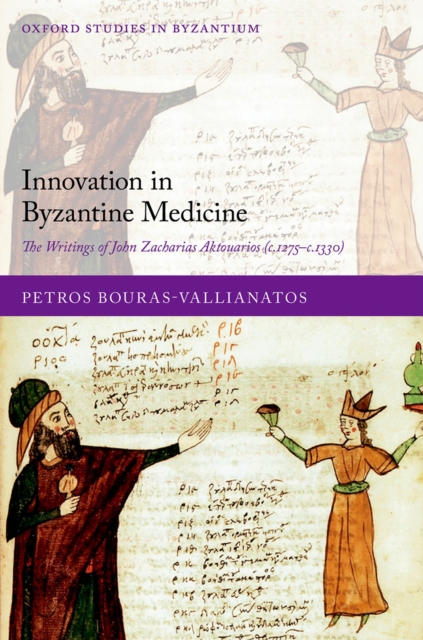
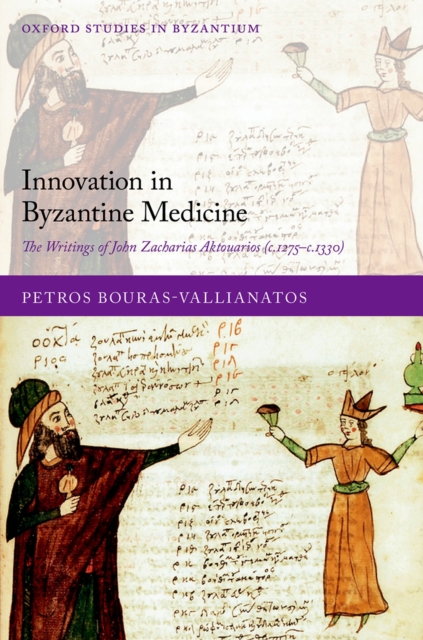
Byzantine medicine remains a little known and misrepresented field not only in the context of debates on medieval medicine, but also among Byzantinists themselves.
Byzantine medicine remains a little known and misrepresented field not only in the context of debates on medieval medicine, but also among Byzantinists themselves.
Franco Basaglia (1924-1980) was an Italian psychiatrist and activist who proposed the dismantling of psychiatric hospitals and pioneered new ideas about mental health and its treatment.
Franco Basaglia (1924-1980) was an Italian psychiatrist and activist who proposed the dismantling of psychiatric hospitals and pioneered new ideas about mental health and its treatment.
In a brilliant procession through the last 250 years, Ute Frevert looks at the role that public humiliation has played in modern society, showing how humiliation - and the feeling of shame that it engenders - has been used as a means of coercion and control, from the worlds of politics and international diplomacy through to the education of children and the administration of justice.
In a brilliant procession through the last 250 years, Ute Frevert looks at the role that public humiliation has played in modern society, showing how humiliation - and the feeling of shame that it engenders - has been used as a means of coercion and control, from the worlds of politics and international diplomacy through to the education of children and the administration of justice.
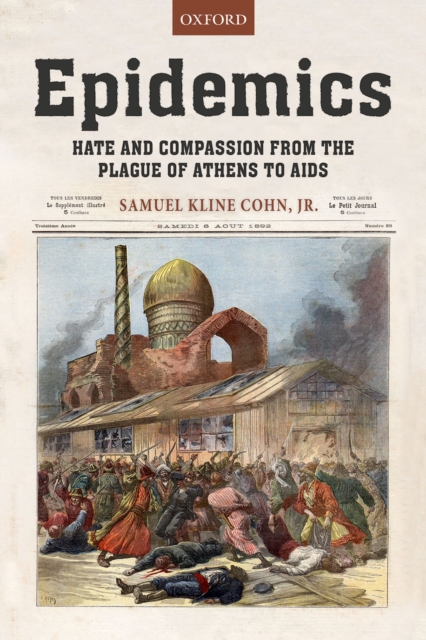
By investigating thousands of descriptions of epidemics reaching back before the fifth-century-BCE Plague of Athens to the distrust and violence that erupted with Ebola in 2014, Epidemics challenges a dominant hypothesis in the study of epidemics, that invariably across time and space, epidemics provoked hatred, blaming of the 'other', and victimizing bearers of epidemic diseases, particularly when diseases were mysterious, without known cures or preventive measures, as with AIDS during the last two decades of the twentieth century.
By investigating thousands of descriptions of epidemics reaching back before the fifth-century-BCE Plague of Athens to the distrust and violence that erupted with Ebola in 2014, Epidemics challenges a dominant hypothesis in the study of epidemics, that invariably across time and space, epidemics provoked hatred, blaming of the 'other', and victimizing bearers of epidemic diseases, particularly when diseases were mysterious, without known cures or preventive measures, as with AIDS during the last two decades of the twentieth century.
In recent decades, there has been considerable interest in writing histories of medicine that capture local, regional, and global dimensions of health and health care in the same frame.
In recent decades, there has been considerable interest in writing histories of medicine that capture local, regional, and global dimensions of health and health care in the same frame.
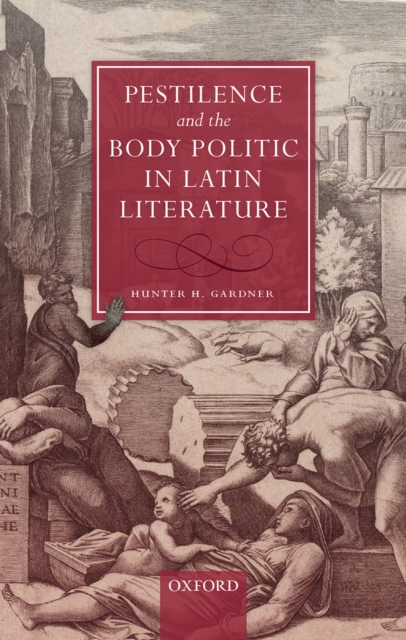
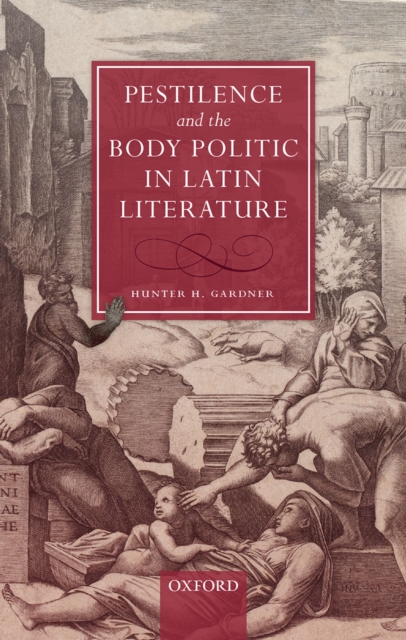
Scientists, journalists, novelists, and filmmakers continue to generate narratives of contagion, stories shaped by a tradition of disease discourse that extends to early Greco-Roman literature.
Scientists, journalists, novelists, and filmmakers continue to generate narratives of contagion, stories shaped by a tradition of disease discourse that extends to early Greco-Roman literature.
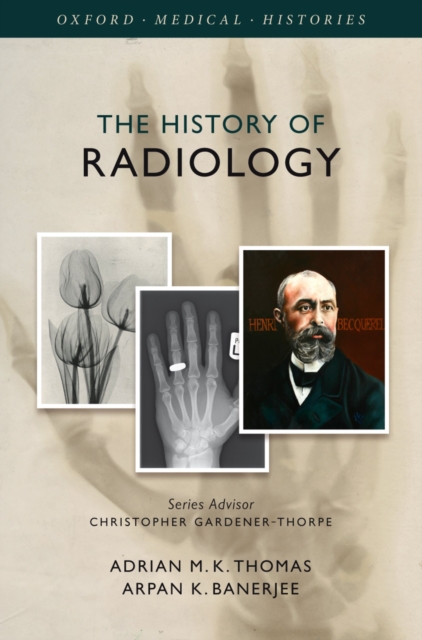
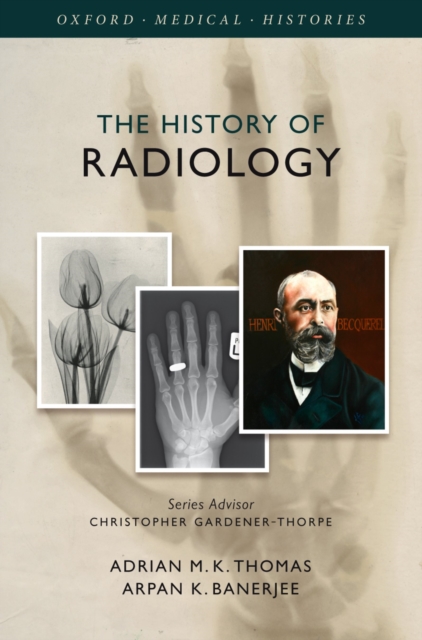
In 1890, Professor Arthur Willis Goodspeed, a professor of physics at Pennsylvania USA was working with an English born photographer, William N Jennings, when they accidentally produced a Rontgen Ray picture.
In 1890, Professor Arthur Willis Goodspeed, a professor of physics at Pennsylvania USA was working with an English born photographer, William N Jennings, when they accidentally produced a Rontgen Ray picture.
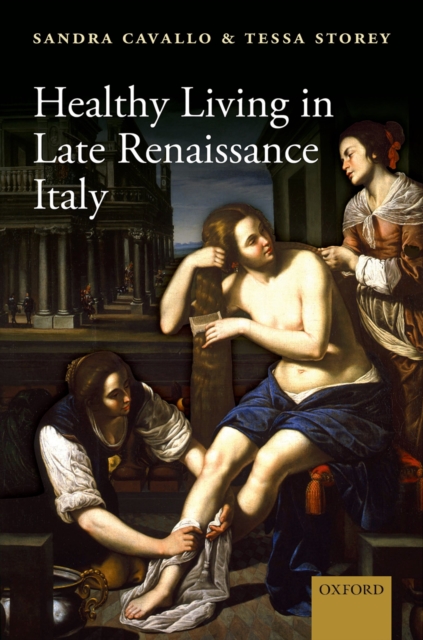
Healthy Living in Late Renaissance Italy explores in detail the efforts made by men and women in late Renaissance Italy to stay healthy and prolong their lives.
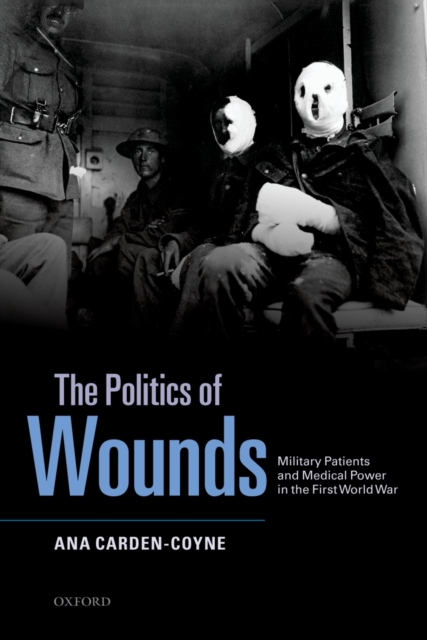
The Politics of Wounds explores military patients' experiences of frontline medical evacuation, war surgery, and the social world of military hospitals during the First World War.