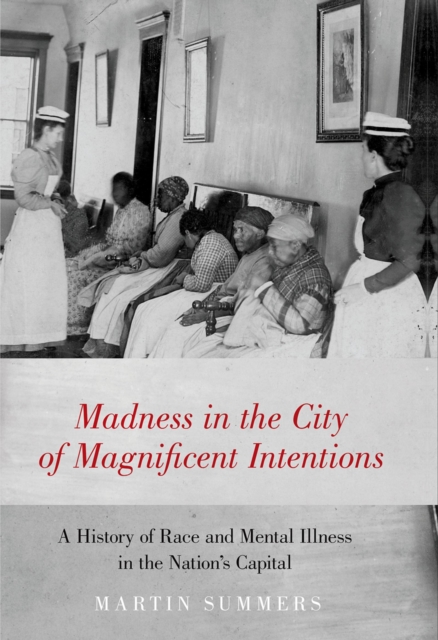
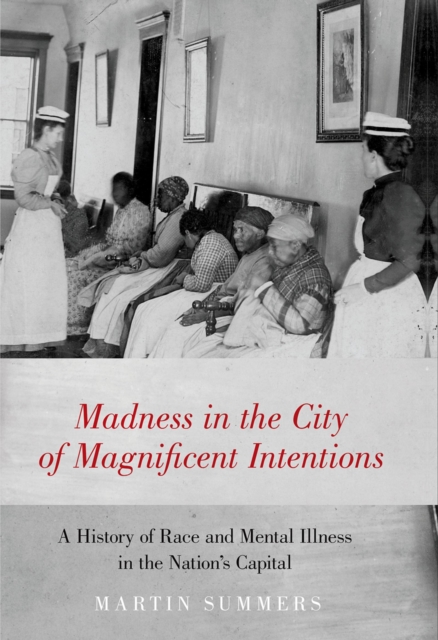
From the mid-nineteenth to the late twentieth centuries, Saint Elizabeths Hospital was one of the United States' most important institutions for the care and treatment of the mentally ill.
From the mid-nineteenth to the late twentieth centuries, Saint Elizabeths Hospital was one of the United States' most important institutions for the care and treatment of the mentally ill.
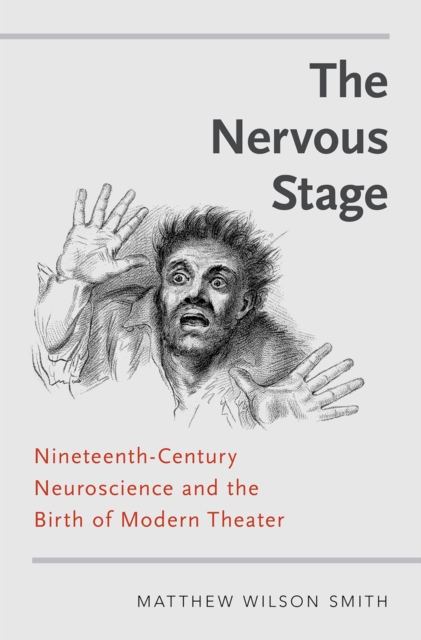
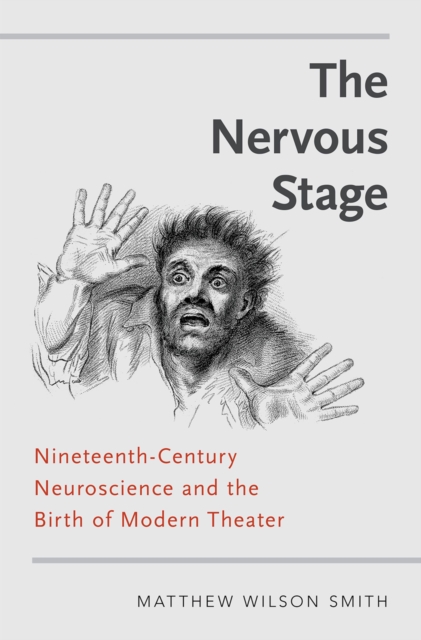
Nineteenth-century investigations into the nervous system produced extraordinary discoveries that changed ways of thinking far beyond the scientific community.
Nineteenth-century investigations into the nervous system produced extraordinary discoveries that changed ways of thinking far beyond the scientific community.
Biopolitics and posthumanism have been passe theories in the academy for a while now, standing on the unfashionable side of the fault line between biology and liberal thought.
Biopolitics and posthumanism have been passe theories in the academy for a while now, standing on the unfashionable side of the fault line between biology and liberal thought.
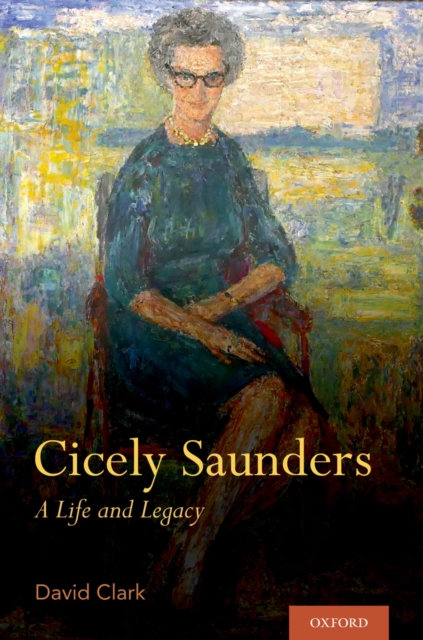
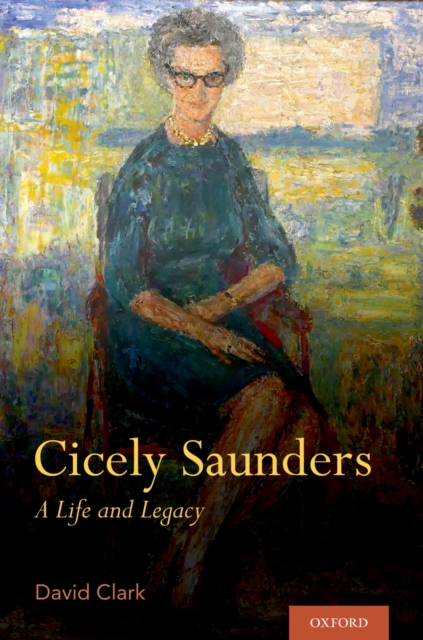
Born at the end of World War One into a prosperous London family, Cicely Saunders struggled at school before gaining entry to Oxford University to read Politics, Philosophy and Economics.
Born at the end of World War One into a prosperous London family, Cicely Saunders struggled at school before gaining entry to Oxford University to read Politics, Philosophy and Economics.
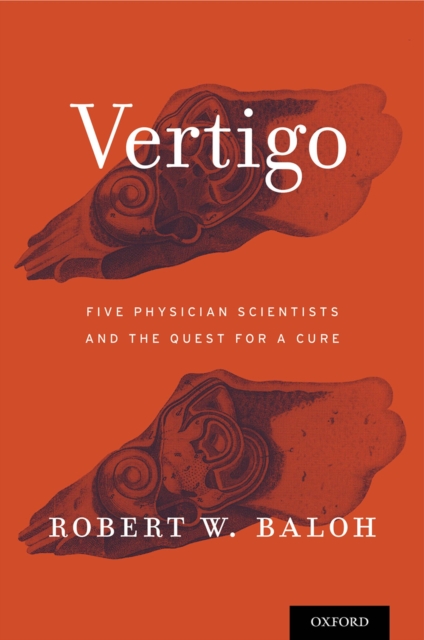
Benign paroxysmal positional vertigo (BPPV), the most common cause of vertigo, affects one in five people at some point during their lifetime, triggering the sudden feeling like one is moving or spinning when perfectly still.
Benign paroxysmal positional vertigo (BPPV), the most common cause of vertigo, affects one in five people at some point during their lifetime, triggering the sudden feeling like one is moving or spinning when perfectly still.
The Rhetoric of Medicine explores problems that confront medical professionals today by first examining similar problems that confronted physicians in ancient Greece.
The Rhetoric of Medicine explores problems that confront medical professionals today by first examining similar problems that confronted physicians in ancient Greece.
The sixth volume of The History of Neuroscience in Autobiography is a collection of autobiographical essays by notable senior scientists who discuss the major events that shaped their discoveries and their influences, as well as the people who inspired them and helped shape their careers as neuroscientists.
Joseph Babinski's contributions to French medicine have been well-documented, but there has yet to be a significant and an authoritative biography of him--until now.
In the maelstrom of current public health debate over the social determinants of health, this book offers a well-balanced discussion on the roots of prevalent strains of thought on the matter.
Relying on religious traditions that are as old as their faith itself, many devout Christians turn to prayer rather than medicine when their children fall victim to illness or injury.
In the late 1980s, a promising new treatment for breast cancer emerged: high-dose chemotherapy with autologous bone marrow transplantation or HDC/ABMT.
In the decade from 1935-1945, while the Second World War raged in Europe, a new class of medicines capable of controlling bacterial infections launched a therapeutic revolution that continues today.
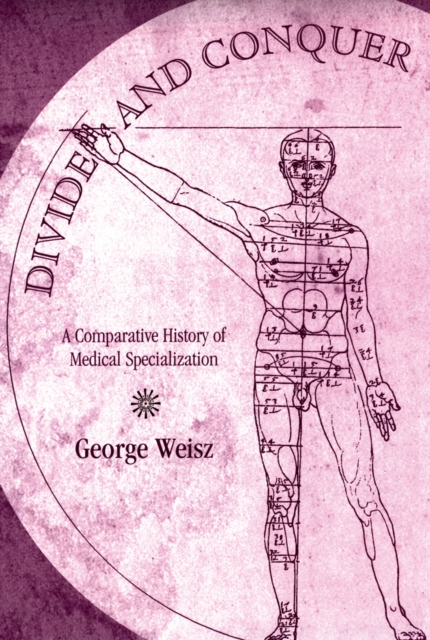
This wide-ranging book is the first to examine one of the most significant and characteristic features of modern medicine - specialization - in historical and comparative context.
From the gene that causes people to age prematurely to the "e;bitter gene"e; that may spawn broccoli haters, this book explores a few of the more exotic locales on the human genome, highlighting some of the tragic and bizarre ways our bodies go wrong when genes fall prey to mutation and the curious ways in which genes have evolved for our survival.
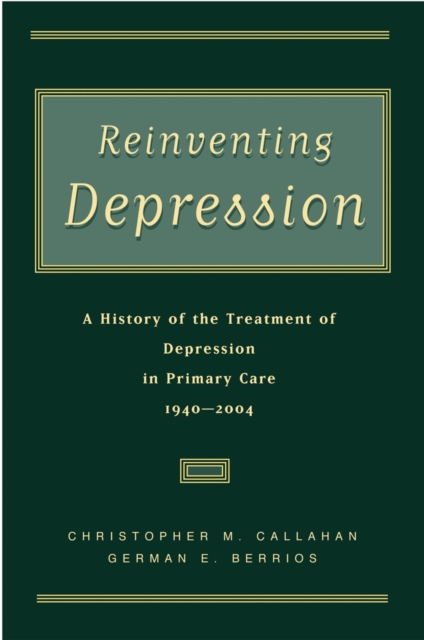
To inform future research, treatment, and policy decisions, this book traces the scientific and social developments that shaped the current treatment model for depression in primary care over the past half century.