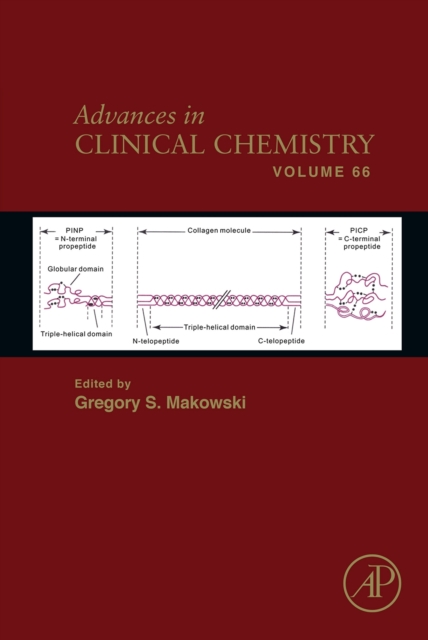
Volume 66 in the internationally acclaimed Advances in Clinical Chemistry contains chapters authored by world renowned clinical laboratory scientists, physicians and research scientists.
Volume 54 in the internationally acclaimed Advances in Clinical Chemistry contains chapters submitted from leading experts from academia and clinical laboratory science.
This practical, easy-to-use guide, named to Doody's Core Titles 2013, addresses interference issues in all laboratory tests, including patient epigenetics, process of specimen collection, enzymes, biomarkers.
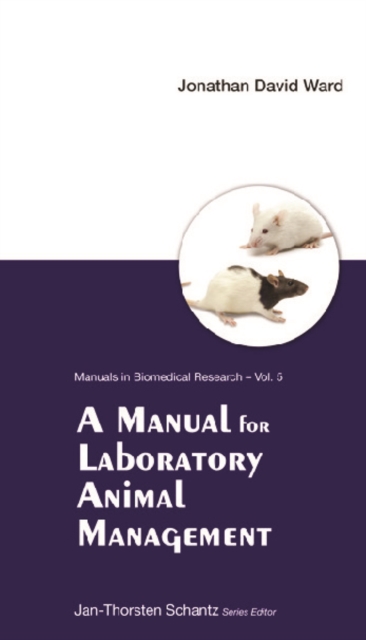
Notes in the Category C: Reflections on Laboratory Animal Care and Use addresses how to improve laboratory animal care and use, also characterizing the current state of the industry and speculating on its long-term future.
This book explains how SaaS works and lists and describes many common misconceptions and pitfalls that laboratories have about implementing Quality Management Systems (QMS).
The book's purpose is to help community-based primary care physicians and nurses, and laboratory-based microbiologists, better understand each other's requirements in collecting and interpreting specimens, and thus to improve the quality of patient care, while saving resources and reducing unnecessary antibiotic prescription.
Morphological Mouse Phenotyping: Anatomy, Histology and Imaging is an atlas of explanatory diagrams and text that guides the reader through normal mouse anatomy, histology, and imaging.
In Situ Molecular Pathology and Co-Expression Analyses explains, in easy-to-understand language, simplified ways of understanding and performing in situ hybridization and immunohistochemistry tests.
Laboratory Animals: Regulations and Recommendations for Global Collaborative Research is the only publication to offer a compilation of standards across the world in the care, welfare and use of animals in research.
Nonclinical Study Contracting and Monitoring: A Practical Guide offers a systematic and straightforward handbook for obtaining high quality preclinical Good Laboratory Practice (GLP) studies.
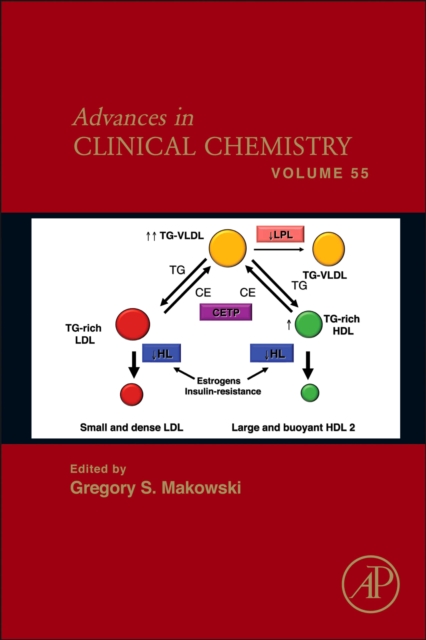
Volume 55 in the internationally acclaimed Advances in Clinical Chemistry contains chapters submitted from leading experts from academia and clinical laboratory science.
Volume 47 in the internationally acclaimed Advances in Clinical Chemistry contains chapters submitted from leading experts from academia and clinical laboratory science.
Volume 47 in the internationally acclaimed Advances in Clinical Chemistry contains chapters submitted from leading experts from academia and clinical laboratory science.
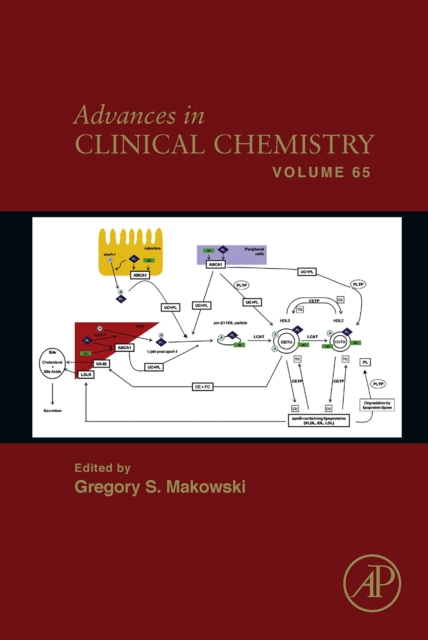
Volume 65 in the internationally acclaimed Advances in Clinical Chemistry contains chapters authored by world renowned clinical laboratory scientists, physicians and research scientists.
Volume 58 in the internationally acclaimed Advances in Clinical Chemistry contains chapters submitted from leading experts from academia and clinical laboratory science.
Volume 59 in the internationally acclaimed Advances in Clinical Chemistry contains chapters submitted from leading experts from academia and clinical laboratory science.
Volume 47 in the internationally acclaimed Advances in Clinical Chemistry contains chapters submitted from leading experts from academia and clinical laboratory science.
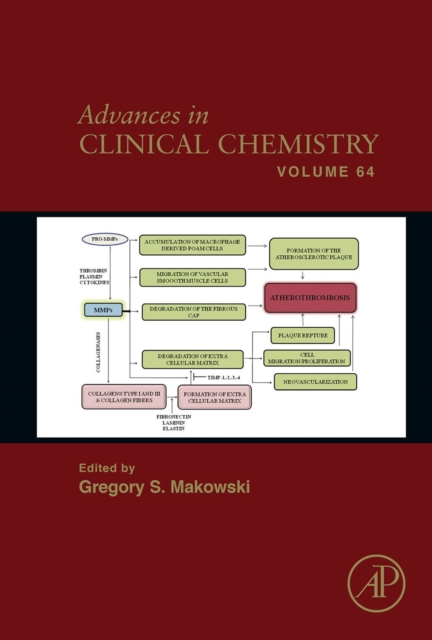
Volume 64 in the internationally acclaimed Advances in Clinical Chemistry contains chapters authored by world renowned clinical laboratory scientists, physicians and research scientists.
Volume 45 of the Advances in Clinical Chemistry series contains review articles of wide interest to clinical laboratory scientists and diagnostic adventurers.
In Vitro Percutaneous Absorption covers all major areas of interest in the rapidly expanding field of in vitro methods for percutaneous absorption studies.
Volume 47 in the internationally acclaimed Advances in Clinical Chemistry contains chapters submitted from leading experts from academia and clinical laboratory science.
Papers from the Second International Conference on TDM Toxicology (date and place not stated) describe research on various aspects of therapeutic monitoring pharmacology, selected high-performance liquid chromatographic methods, antiepileptics, substances subject to abuse, inorganics.
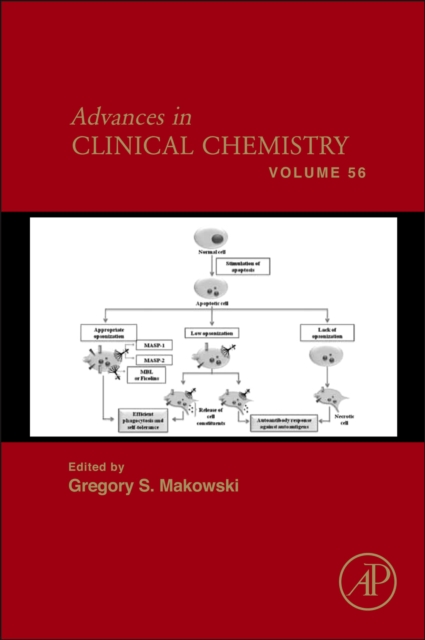
Volume 56 in the internationally acclaimed Advances in Clinical Chemistry contains chapters submitted from leading experts from academia and clinical laboratory science.
Placenta: A Neglected Experimental Animal covers the proceedings of the 1978 round table discussion on placenta held at Bedford College, University of London, under the auspices of the Special Commission on Internal Pollution.
Papers from the Second International Conference on TDM Toxicology (date and place not stated) describe research on various aspects of therapeutic monitoring pharmacology, selected high-performance liquid chromatographic methods, antiepileptics, substances subject to abuse, inorganics.
In Vitro Percutaneous Absorption covers all major areas of interest in the rapidly expanding field of in vitro methods for percutaneous absorption studies.
This book provides a practically directed basis for carrying out immunocytochemical methods with enough theoretical information to allow a newcomer to understand the whys and wherefores of the technique.
This book provides a practically directed basis for carrying out immunocytochemical methods with enough theoretical information to allow a newcomer to understand the whys and wherefores of the technique.
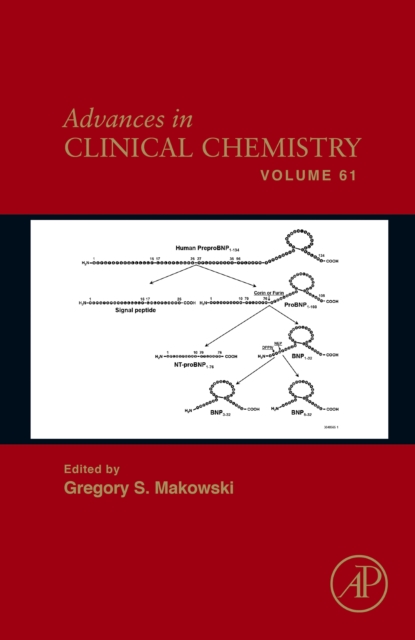
Volume 61 in the internationally acclaimed Advances in Clinical Chemistry contains chapters submitted from leading experts from academia and clinical laboratory science.
The design and fabrication of aptamer-based biosensors for point-of-care testing of disease diagnostic and prognostic is an upthrust and interdisciplinary area of research.
Volume 67 in the internationally acclaimed Advances in Clinical Chemistry contains chapters authored by world renowned clinical laboratory scientists, physicians and research scientists.
Volume 68 in the internationally acclaimed Advances in Clinical Chemistry contains chapters authored by world renowned clinical laboratory scientists, physicians and research scientists.
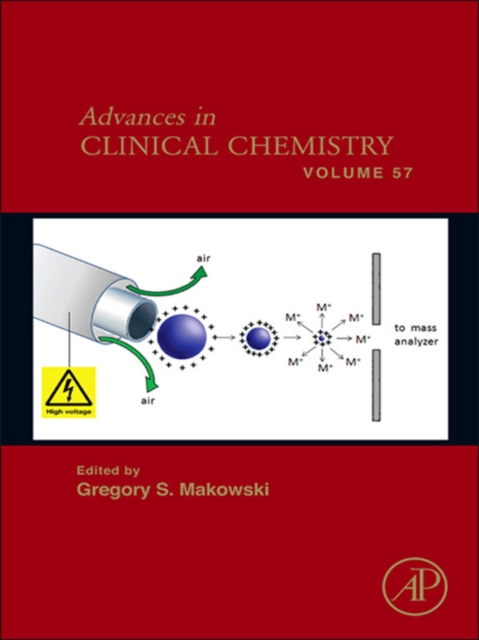
Volume 57 in the internationally acclaimed Advances in Clinical Chemistry contains chapters submitted from leading experts from academia and clinical laboratory science.
This book has been written primarily for medical students and junior doctors in clinical practice, but would also be a useful reference for postgraduate students in chemical pathology (clinical biochemistry), laboratory scientists, pathologists and medical laboratory technologists.
This book explains how SaaS works and lists and describes many common misconceptions and pitfalls that laboratories have about implementing Quality Management Systems (QMS).
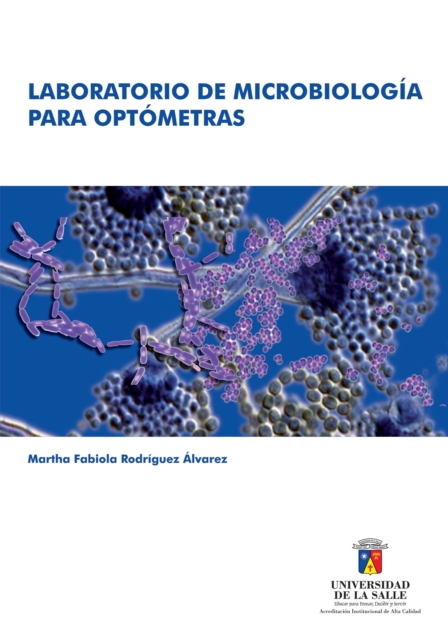
Se ofrece al estudiante conceptos teoricos y practicos aplicados directamente a la practica optometrica, a la morfologia y a la identificacion de los microorganismos, asi como de las manifestaciones clinicas sistemicas y oculares.
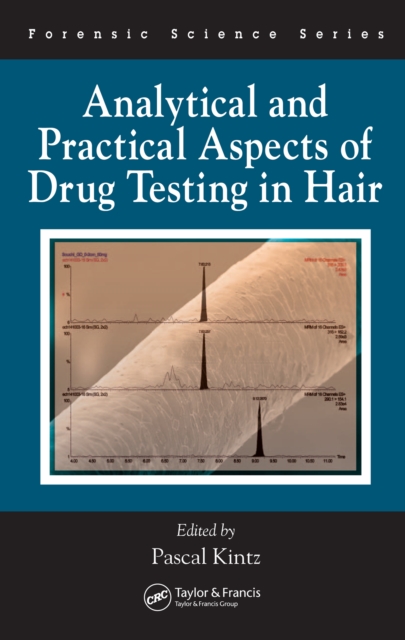
Written by well-known, international authors, this comprehensive reference provides practical coverage of the best hair drug testing techniques and examines the drugs themselves.
La Norma UNE-EN ISO/IEC 17025:2017 incluye una serie de novedades que conllevan actuaciones específicas para su implantación por parte de los laboratorios.