Roughly one in ten adult Americans find their walking slowed by progressive chronic conditions like arthritis, back problems, heart and lung diseases, and diabetes.
America's market-based health care system, unique among the nations of the world, is in large part the product of an obscure, yet profound, revolution that overthrew the medical monopoly in the late 1970s.
The prospect of caring for elderly relatives who may be too old, fragile, or forgetful to manage on their own looms large for millions of women and men who are unprepared for the difficulties such an experience can bring.
The genetic revolution has provided incredibly valuable information about our DNA, information that can be used to benefit and inform-but also to judge, discriminate, and abuse.
This study of the Employee Retirement Income Security Act of 1974 (ERISA) explains in detail how public officials in the executive branch and Congress overcame strong opposition from business and organized labor to pass landmark legislation regulating employer-sponsored retirement and health plans.
Innovation in medical technology generates a remarkable supply of new drugs, devices, and diagnostics that improve health, reduce risks, and extend life.
Awareness of the law is an essential part of any medical practice manager's role and is becoming even more important as patients and employees are becoming more litigation conscious.
The Mental Capacity Act (2005) governs decision-making processes on behalf of adults who are unable to give informed consent, whether they lose mental capacity at some point in their lives due to illness or injury or where the incapacitating condition has been present since birth.
This textbook explains what pharmacy students and practicing pharmacists need to know about pharmacy and the law, including recent changes in the National Health Service.
Reflecting the work of an international panel of experts, the International Handbook on Psychopathic Disorders and the Law offers an in-depth and multidisciplinary look at key aspects of the development and etiology of psychopathic disorders, current methods of intervention, treatment and management, and how these disorders impact decision making in civil and criminal law.
Reflecting the work of an international panel of experts, the International Handbook on Psychopathic Disorders and the Law offers an in-depth and multidisciplinary look at key aspects of the development and etiology of psychopathic disorders, current methods of intervention, treatment and management, and how these disorders impact decision making in civil and criminal law.
With contributions from: Eric Blyth, Ken Daniels, Julia Feast, Robert Lee, Nina Martin, Alexina McWhinnie, Derek Morgan, Clare Murray, Sharon Pettle, Claire Potter, Jim Richards and Francoise Shenfield The separation of procreation from conception has broadened notions of parenthood and created novel dilemmas.
This popular and practical book is a comprehensive guide to diagnosing joint conditions and the benefits, and potential pitfalls, of steroid injections, an important tool in managing these problems used by an increasing range of practitioners.
This popular and practical book is a comprehensive guide to diagnosing joint conditions and the benefits, and potential pitfalls, of steroid injections, an important tool in managing these problems used by an increasing range of practitioners.
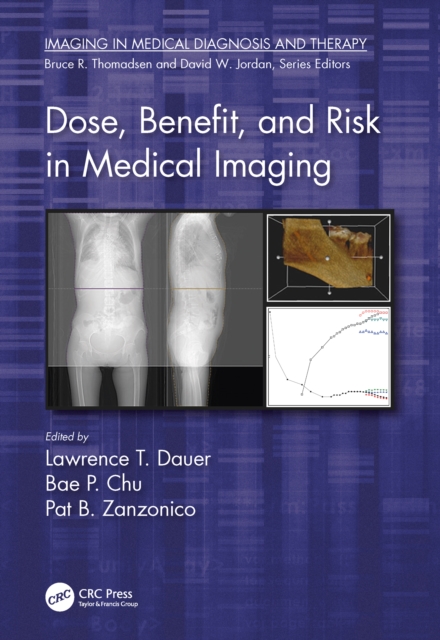
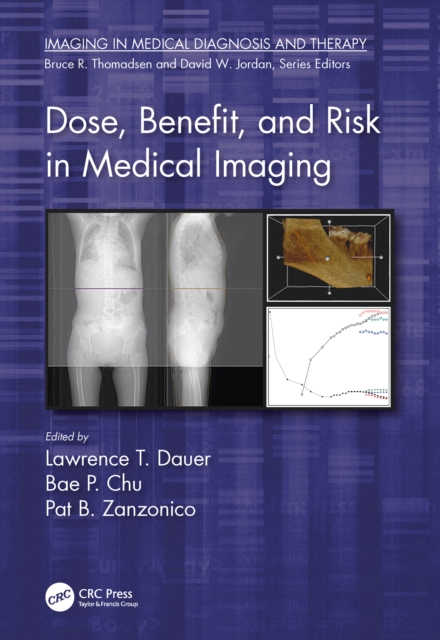
This timely overview of dose, benefit, and risk in medical imaging explains to readers how to apply this information for informed decision-making that improves patient outcomes.
This timely overview of dose, benefit, and risk in medical imaging explains to readers how to apply this information for informed decision-making that improves patient outcomes.
Students and professional nurses at any level of clinical practice will find this book to be a vital resource on the basic legal concepts and principles of malpractice, liability, and risk management, and their implications for the profession.
While other books deal with the contemporary issue of the right to die, no attempt has been made to demonstrate substantially the historic nature of this question beyond the borders of the United States.
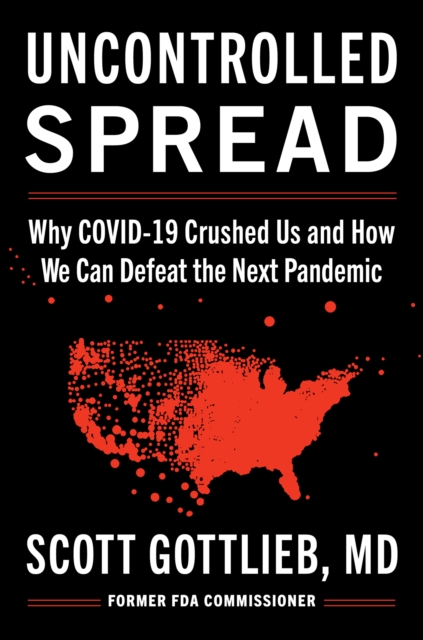
NEW YORK TIMES BESTSELLER"e;Uncontrolled Spread is everything you'd hope: a smart and insightful account of what happened and, currently, the best guide to what needs to be done to avoid a future pandemic.
A compelling argument for improving society's mental health through increased services and better policyMental illness is a leading cause of suffering in the modern world.
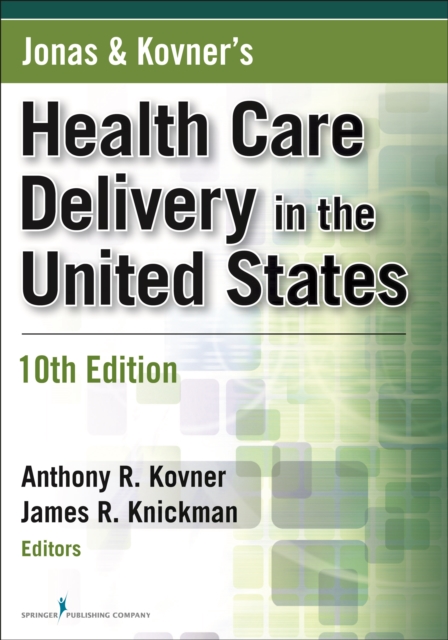
This tenth edition of a classic textbook, updated in November 2013 with a free, downloadable chapter on the Affordable Care Act (ACA), presents the critical issues and core challenges surrounding our health care system.
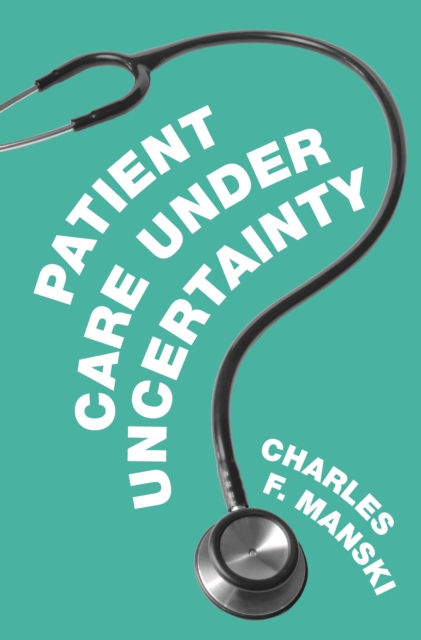
How cutting-edge economics can improve decision-making methods for doctorsAlthough uncertainty is a common element of patient care, it has largely been overlooked in research on evidence-based medicine.
The second volume of an overall look at the "e;malpractice crisis"e; sheds fresh light on the civil justice and insurance systems, medical liability issues, and their combined effect on health care for mothers and children.