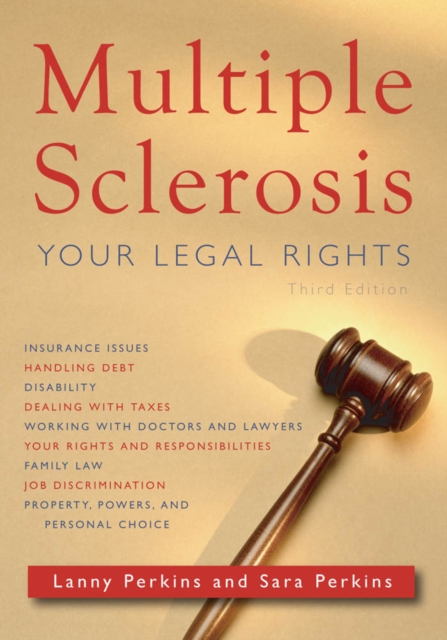
This extensively revised third edition continues to provide reliable basic information and possible solutions to the legal problems that often affect people with multiple sclerosis (MS).
As developments in human genetics proceed apace,the regulation of genetic research and its applications is set to represent one of the major legal challenges of the next century.
'Proving' the cause of the plaintiff's injury in personal injury litigation often entails significant challenges, particularly when science cannot identify the cause of a biological phenomenon or when the nature of this cause is debatable.
Many advocates of euthanasia consider the criminal law to be an inappropriate medium to adjudicate the profound ethical and humanitarian dilemmas associated with end of life decisions.
The profound changes to the world economy since the late twentieth century have been characterised by a growth in the number and size of transnational corporations.
Patients legally own their medical records that are stored either manually or on an assortment of computers, software, and operating systems in a variety of disorganized healthcare facilities, which are spiraling healthcare costs out of control.
As society struggles to cope with the many repercussions of assisted life and death, the evening news is filled with stories of legal battles over frozen embryos and the possible prosecution of doctors for their patients' suicide.
This fourth edition of Symptoms and Signs of Substance Use has been thoroughly updated and revised, continuing to provide trusted information from leading experts.
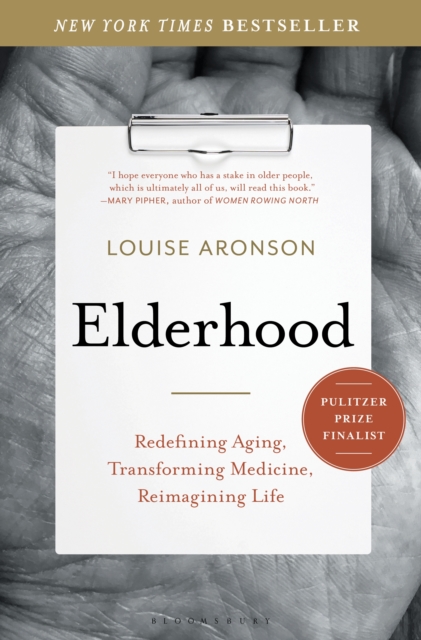
Finalist for the Pulitzer Prize in General NonfictionA New York Times BestsellerLonglisted for the Andrew Carnegie Medal for Excellence in NonfictionWinner of the WSU AOS Bonner Book AwardWinner of the 2022 At Home With Growing Older Impact AwardAs revelatory as Atul Gawande's Being Mortal, physician and award-winning author Louise Aronson's Elderhood is an essential, empathetic look at a vital but often disparaged stage of life.
Society was not prepared in 1981 for the appearance of a new infectious disease, but we have since learned that emerging and reemerging diseases will continue to challenge humanity.
In ›Die Erfindung des ADHS-Syndroms‹ wird die faszinierende Geschichte dieser weit verbreiteten neurobiologischen Störung von ihren Anfängen bis zu den aktuellen Forschungsergebnissen beleuchtet.
The perfect textbook for healthcare students who want a fresh, innovative way to understand how law and ethics relate to their studies, placements, and professional practice.
The perfect textbook for healthcare students who want a fresh, innovative way to understand how law and ethics relate to their studies, placements, and professional practice.
Veterinary Forensics: Investigation, Evidence Collection, and Expert Testimony will provide anyone involved in an investigation of an animal involved crime or civil action with the knowledge and tools that can give guidance for their actions in completing a forensic investigation.
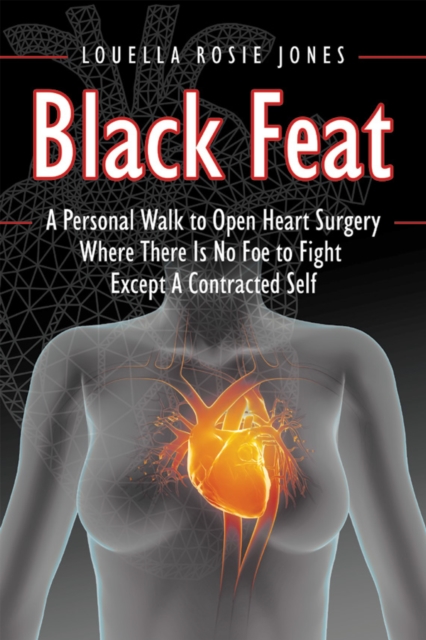
Caressing the spirit of African-American women both domestically and globally, Black Feat, through the power of story, offers a cultural perspective on medical impressions in black women and identifies duplicity in health care delivery.
A Mohawk Memoir from the War of 1812 presents the story of John Norton, or Teyoninhokarawen, an important war chief and political figure among the Grand River Haudenosaunee (or Iroquois) in Upper Canada.
A Mohawk Memoir from the War of 1812 presents the story of John Norton, or Teyoninhokarawen, an important war chief and political figure among the Grand River Haudenosaunee (or Iroquois) in Upper Canada.
Despite notable variation in health care policy from province to province, most scholarship published on the health care system in Canada uses a broad national perspective.
Despite notable variation in health care policy from province to province, most scholarship published on the health care system in Canada uses a broad national perspective.
Clay DeStefano has spent thirty years working in a health care industry, and hes come to an unexpected conclusion: Medical care should be sought only as a last resort and even then, with extreme caution.