Los cuidados paliativos surgen como una nueva disciplina de la medicina para tratar una serie de enfermedades terminales con el fin de darle al paciente una mejor calidad de vida en sus ultimos momentos.
Der neue Praxisbegleiter für integrative Interventionen und Pflege in der Onkologie – evidenzbasiert, praktisch, wirksamDas Praxishandbuch für integrative Interventionen in der Onkologie bietet erstmalig evidenzbasierte, medikamentöse und nicht-medikamentöse Interventionen zur supportiven Behandlung von und zum wirksamen Symptommanagement bei Menschen mit Krebserkrankungen.
Der neue Praxisbegleiter für integrative Interventionen und Pflege in der Onkologie – evidenzbasiert, praktisch, wirksamDas Praxishandbuch für integrative Interventionen in der Onkologie bietet erstmalig evidenzbasierte, medikamentöse und nicht-medikamentöse Interventionen zur supportiven Behandlung von und zum wirksamen Symptommanagement bei Menschen mit Krebserkrankungen.
This book draws on original research to illuminate how the personal values and norms of healthcare professionals in the Emergency Department (ED) influence how they experience the death of a patient, and develop tools and strategies to cope with these experiences.
How can public policy support the growing population providing unpaid care to people with disabilities, older people, or people with dementia, and what are the policy implications of the growing need for caregivers?
This book draws on original research to illuminate how the personal values and norms of healthcare professionals in the Emergency Department (ED) influence how they experience the death of a patient, and develop tools and strategies to cope with these experiences.
The purpose of this book is to create a dialogue among health providers, especially those in long-term care, and those who work with family caregivers to older adults regarding the tension between safety, quality of life and autonomy when it comes to decision-making for older adults.
The purpose of this book is to create a dialogue among health providers, especially those in long-term care, and those who work with family caregivers to older adults regarding the tension between safety, quality of life and autonomy when it comes to decision-making for older adults.
How can public policy support the growing population providing unpaid care to people with disabilities, older people, or people with dementia, and what are the policy implications of the growing need for caregivers?
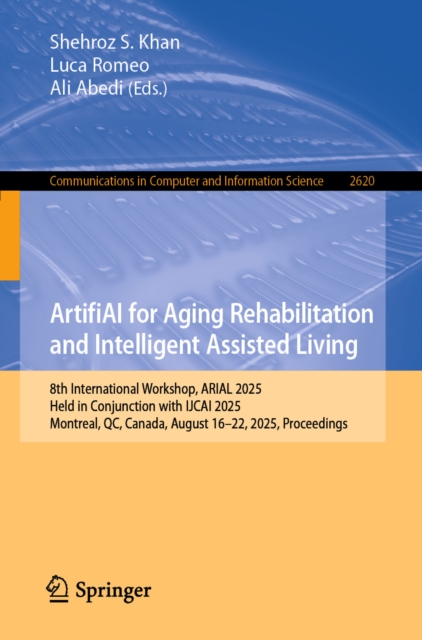
This book constitutes the refereed proceedings of the 8th International Workshop on ArtifiAI for Aging Rehabilitation and Intelligent Assisted Living, ARIAL 2025, Held in Conjunction with IJCAI 2025, Montreal, QC, Canada, August 16-22, 2025, Proceedings.
This book constitutes the refereed proceedings of the 8th International Workshop on ArtifiAI for Aging Rehabilitation and Intelligent Assisted Living, ARIAL 2025, Held in Conjunction with IJCAI 2025, Montreal, QC, Canada, August 16-22, 2025, Proceedings.
Dieses praxisnahe Buch bietet Pflegekraften im Akutkrankenhaus und stationaren Einrichtungen das notige Basiswissen zur sicheren und professionellen Versorgung von Erwachsenen mit Tracheostoma.
This practical guide introduces and critically examines the concept of trauma informed care, exploring how it can be implemented in everyday nursing and midwifery practice across a range of settings.
This practical guide introduces and critically examines the concept of trauma informed care, exploring how it can be implemented in everyday nursing and midwifery practice across a range of settings.
Dienstplanung muss verschiedene Anforderungen erfüllen: Es gilt, Personal wirtschaftlich einzusetzen und die Bedürfnisse der Mitarbeiter:innen zu berücksichtigen.
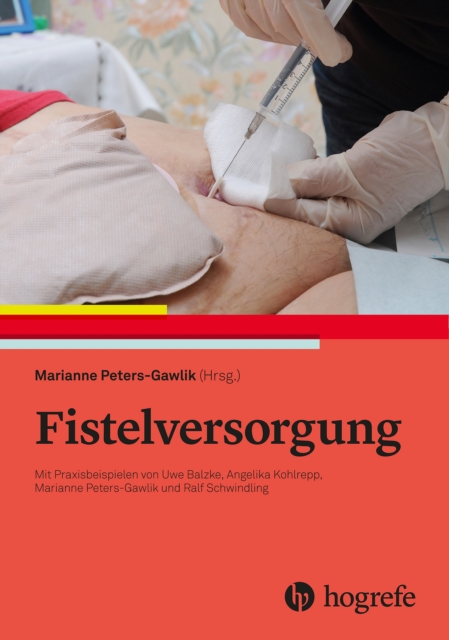
Wer Fisteln adäquat versorgen möchte, benötigt umfangreiches Fachwissen: Wissen um die verschiedenen Fistelarten und deren Besonderheiten und Wissen um die richtige Hautpflege und Wundversorgung.
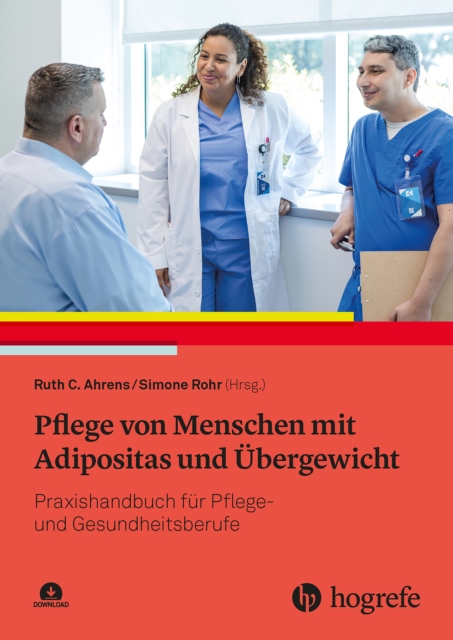
Das Praxisbuch für Pflegefachpersonen und Gesundheitsfachberufe- klärt Definitionen, Epidemiologie, Folgen und Klassifikationen von Adipositas und Übergewicht- beschreibt den Pflegeprozess bei Menschen mit Adipositas mit Assessmentfragen, Pflegediagnosen und -zielen sowie pflegerische/r Interventionen und Kommunikation- erklärt ernährungsbedingte, genetische, hormonelle, pharmakologische, metabolische, psychologische, soziale und verhaltensbezogene Entstehungsfaktoren der Adipositas- nennt Ursachen und Folgen von Gewichtsstigmatisierungen- und skizziert Gegenstrategien- zeigt auf, wie Pflegende, Ernährungstherapeut*innen, und Mediziner*innen Menschen mit Adipositas erkennen, verstehen, beraten und unterstützen können, bei der Gewichtsabnahme, -stabilisierung, Essverhaltensmodifikation, Lebensstil-veränderung, Bewegungs- und Schlafförderung sowie der Hilfsmittelberatung- beschreibt die chirurgisch-bariatrische Behandlung von Adipositas, differenziert laparaskopische Operationsverfahren, wie Magenband, -bypass und Schlauchmagen, und erklärt das postoperative Management- stellt dar, was vor/nach bariatrischen Eingriffen an präoperativer Aufklärung, postoperativem Kostaufbau, Ernährungs-komplikationen und Ernährungsperspektiven zu beachten ist- stellt eine ausführliche Fallstudie vor und beschreibt die stationäre pflegerische Versorgung mit notwendigen Voraus-setzungen, Konzepten und Kompetenzen- fördert die Kommunikation über Sexualität und Adipositas zu den Themen Beziehungen, Körperbild, Selbstwertgefühl und Solosexualität sowie die Stärkung sexueller Selbstsicherheit.